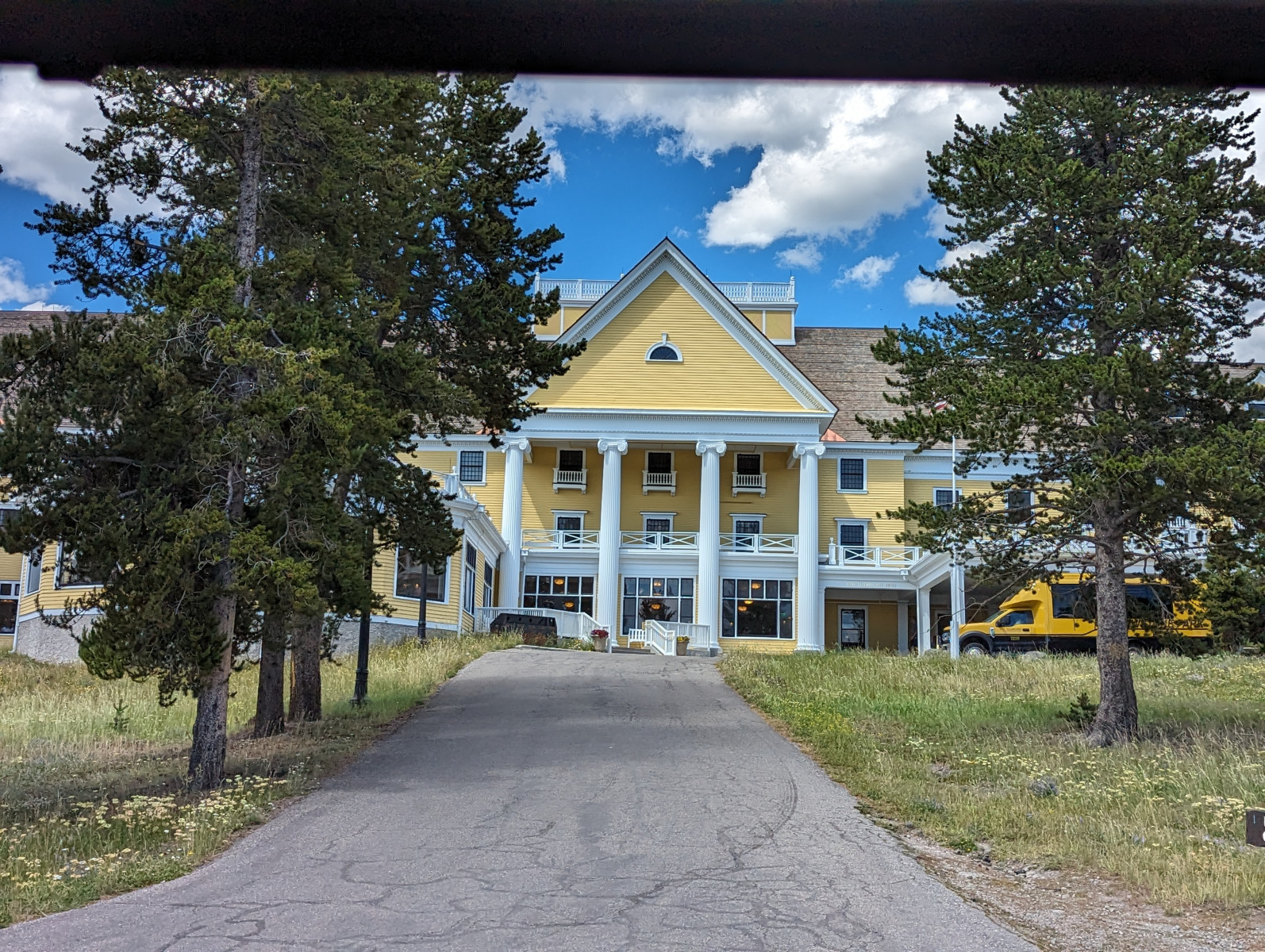
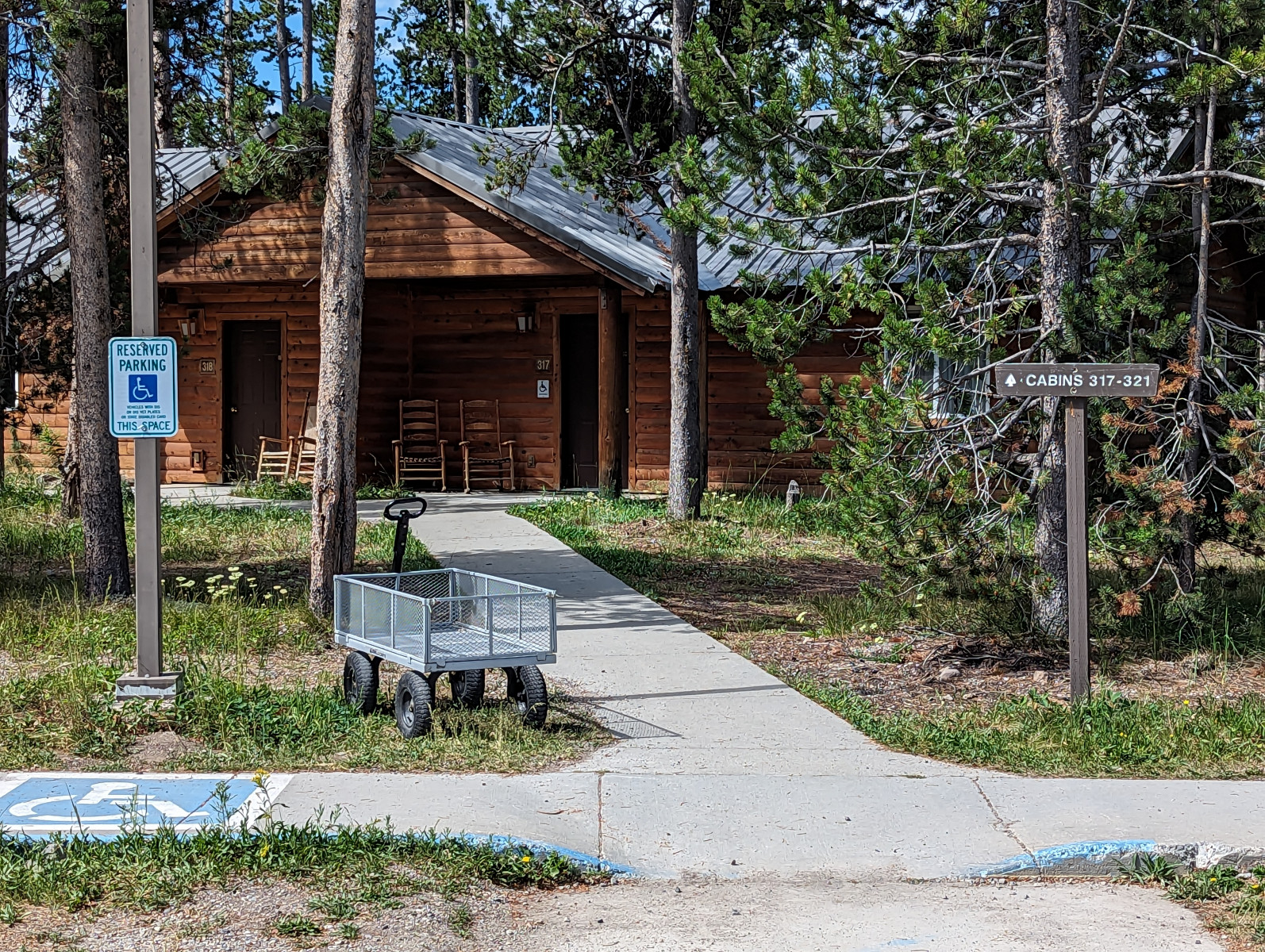
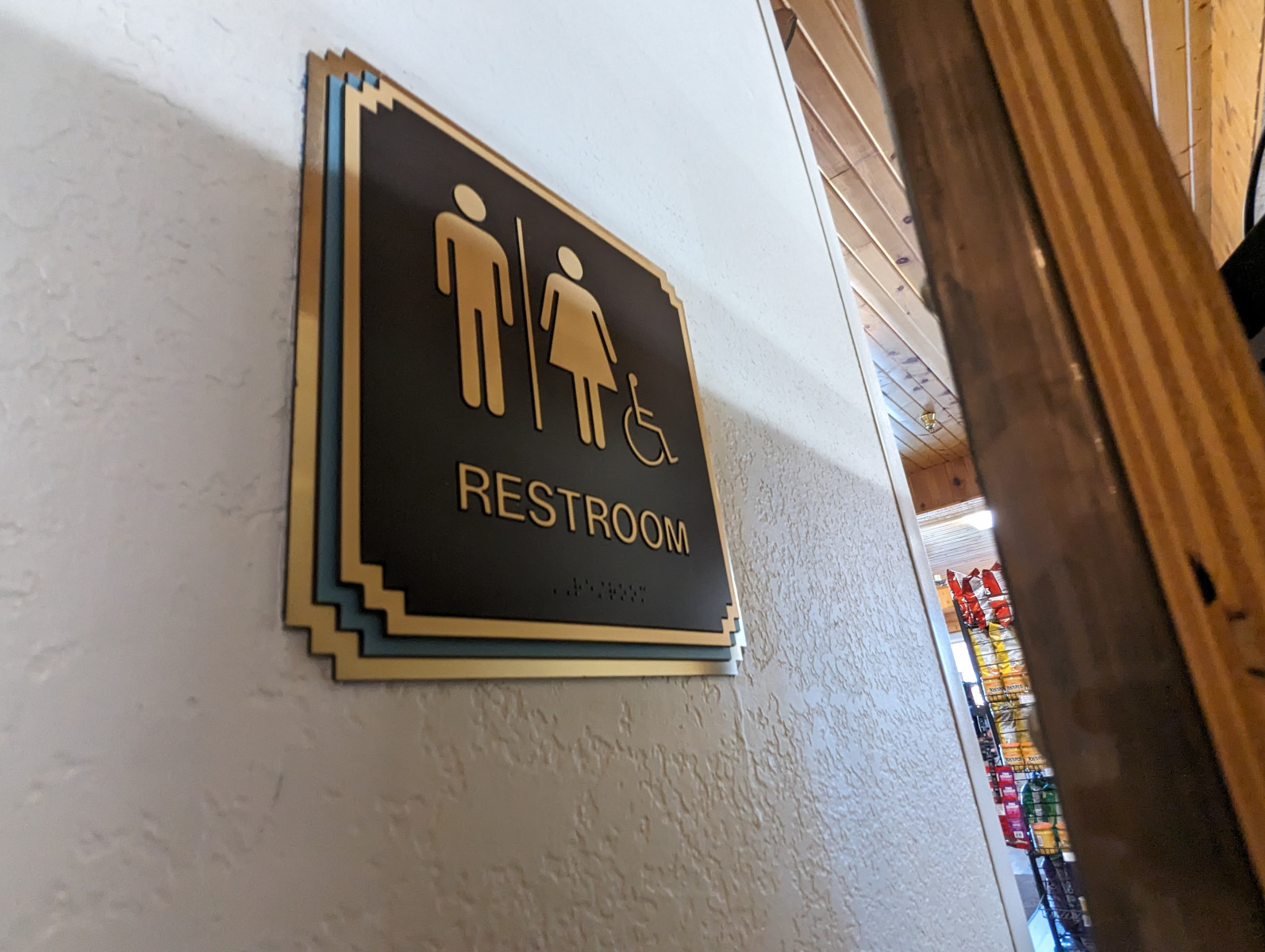
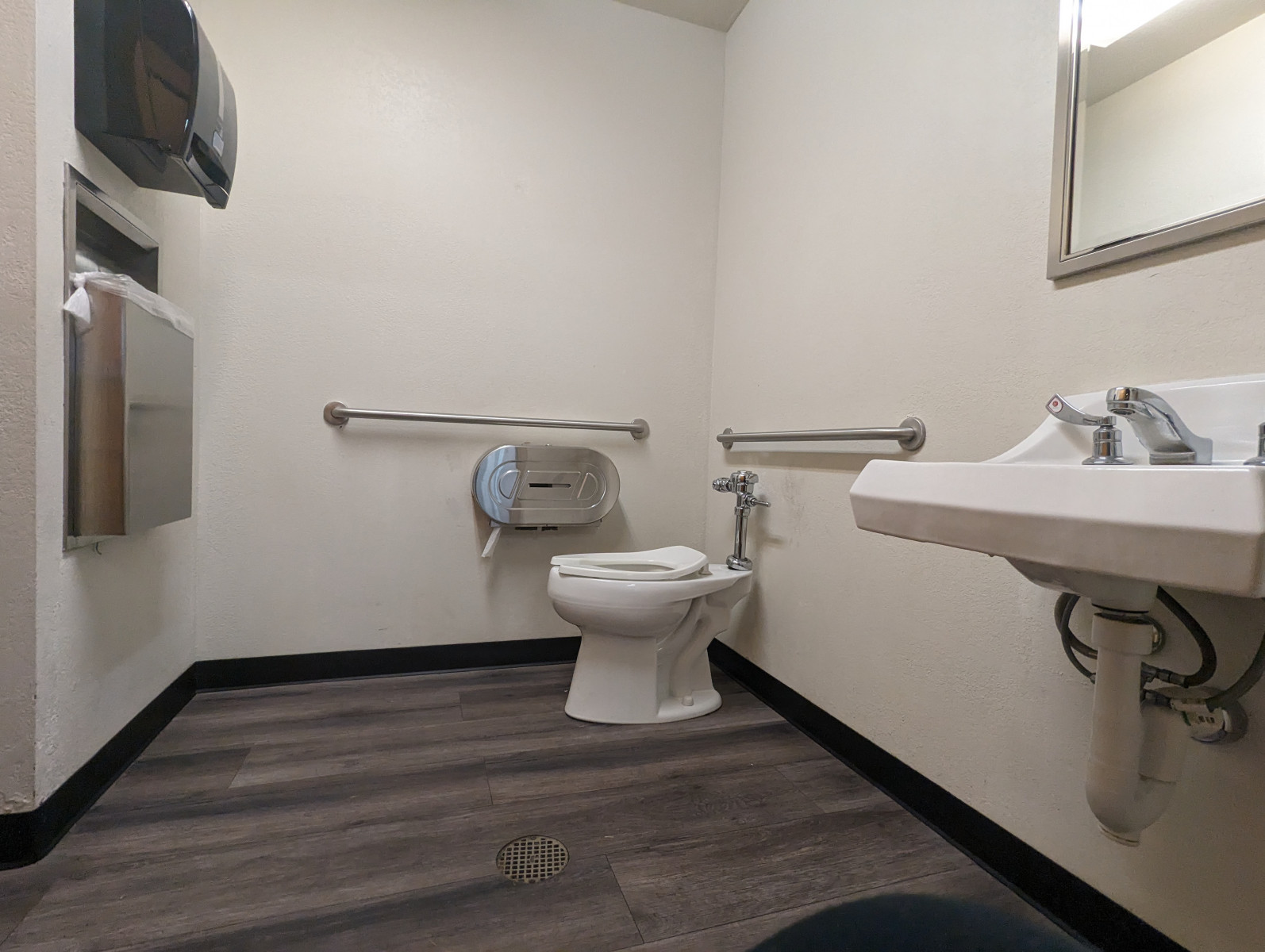
While visiting the Grand Teton National Park, we decided on an overnight adventure in Yellowstone National Park, since they are located right next to each other. Despite this geography, the parks are large and traffic can be unpredictable, so staying at least one night is advisable. Doing and seeing everything in Yellowstone that’s wheelchair accessible within a few days is a challenge because there is so much, like many boardwalk trails around different geyser sites and paved trails to various waterfalls and overlooks.
This article is designed to prepare wheelchair travelers on what to expect when visiting Yellowstone National Park, even if time is limited. The best resource is the “Accessibility Guide” found when arriving at Yellowstone, which can be obtained at the gate or one of the visitor centers. This guide may be borrowed if one is available (not in use), and although there are many copies at the park, there is not an infinite supply. Inside this guide is detailed information about wheelchair accessibility organized by various park areas. Since cell phone service is limited, it’s incredibly useful for finding what you’re looking for. When finally leaving the park, please return the guide to the ranger station or any visitor center. It’s great to have a physical copy of the wheelchair accessible features, but the park also has created this app that includes up-to-date accessibility information.
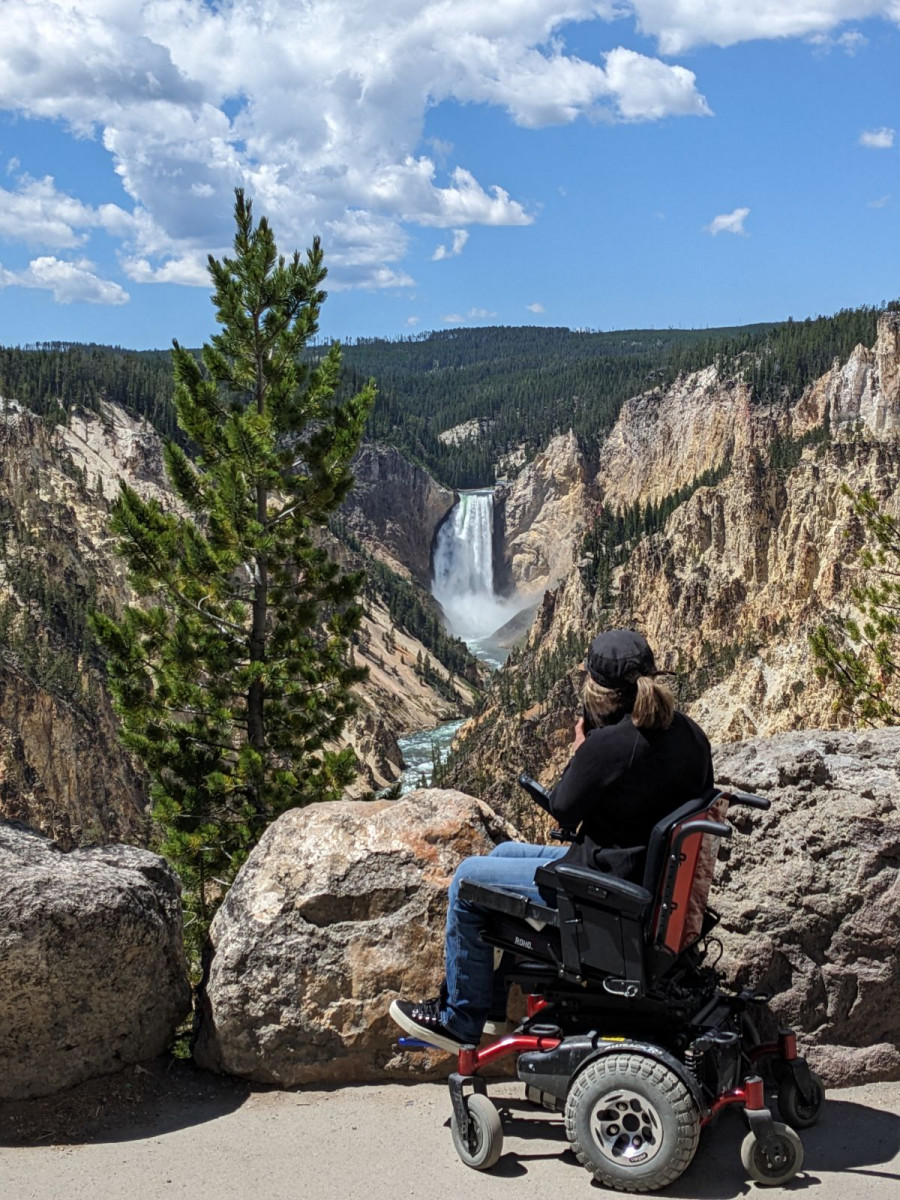
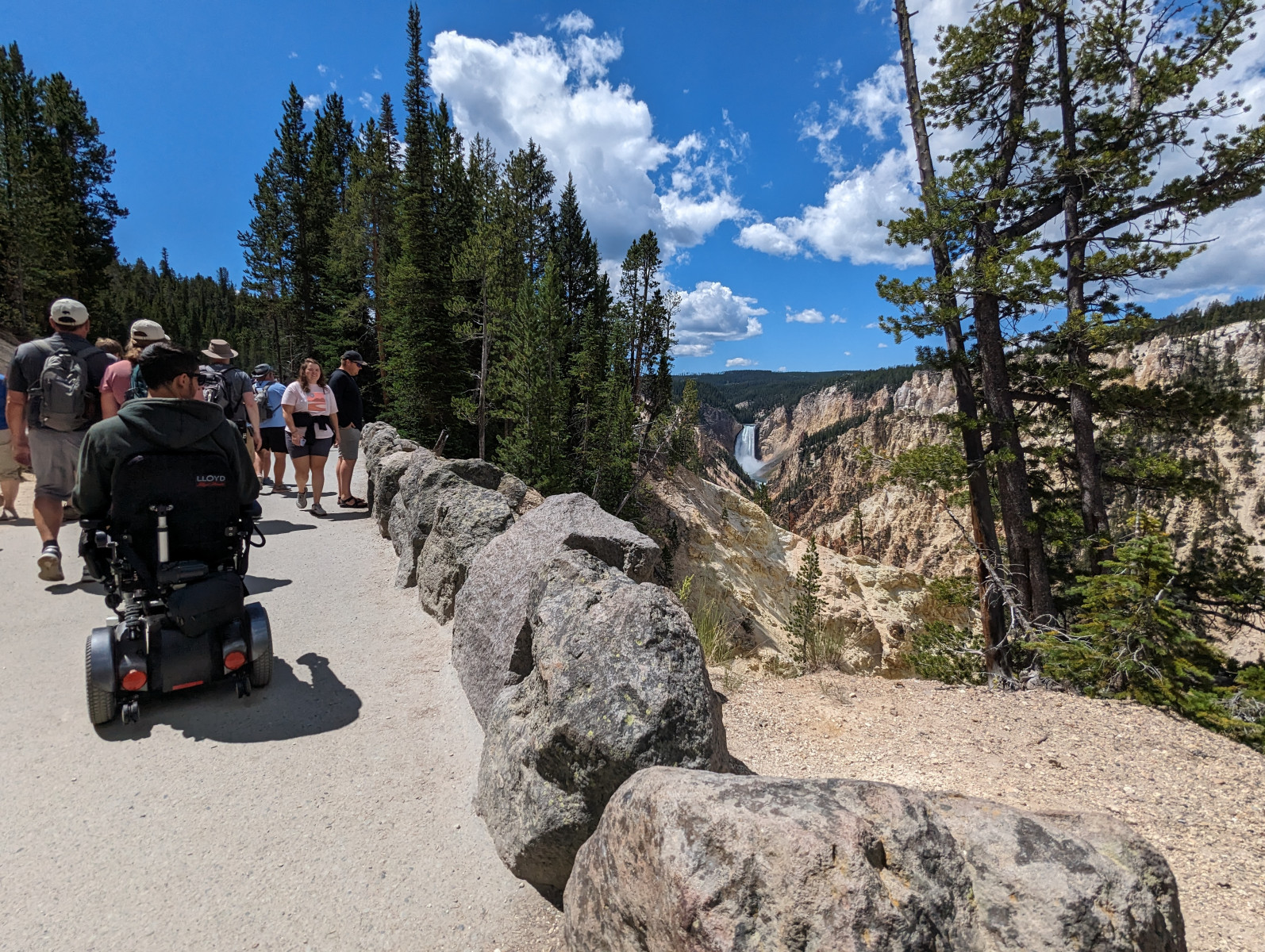
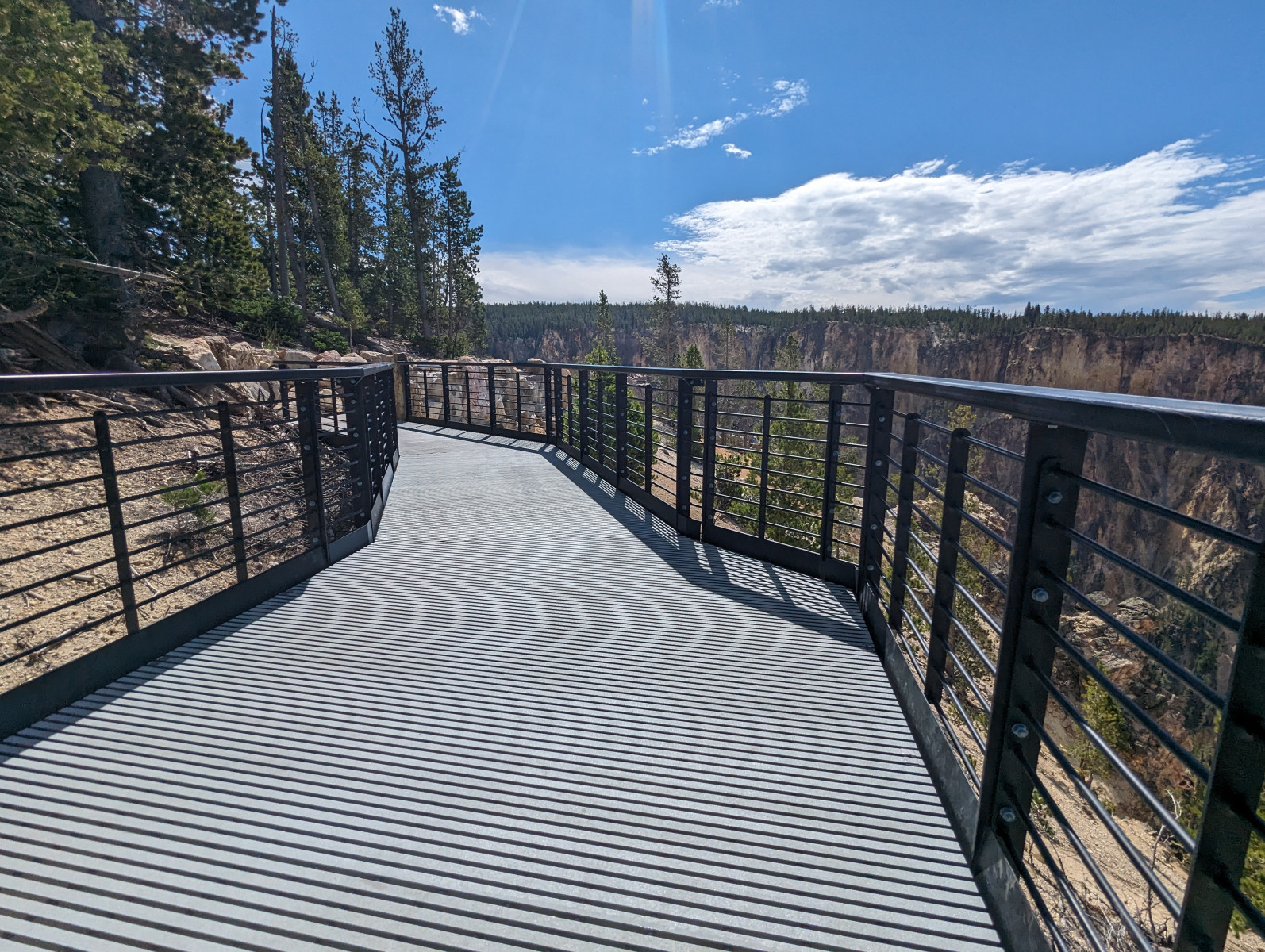
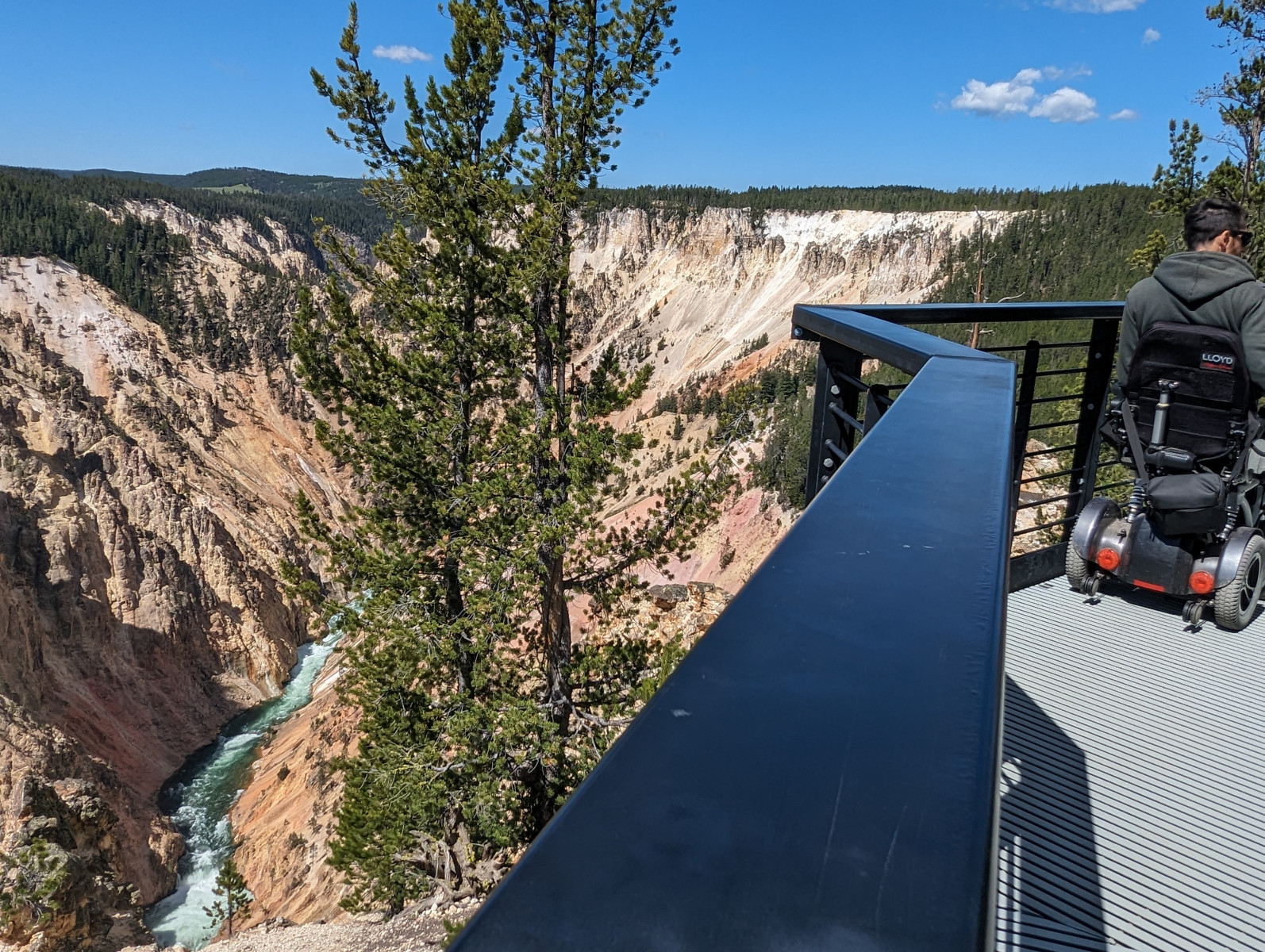
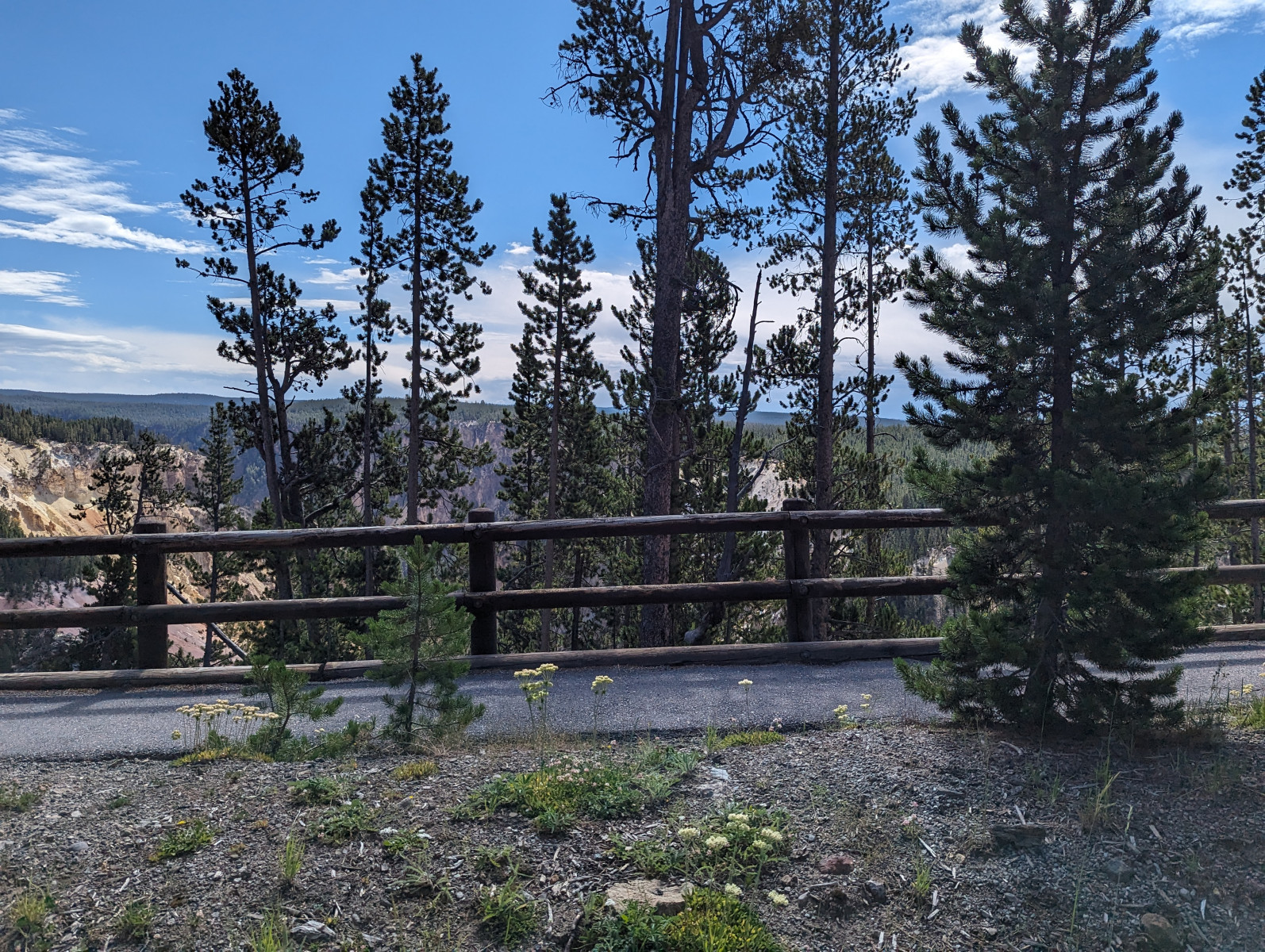
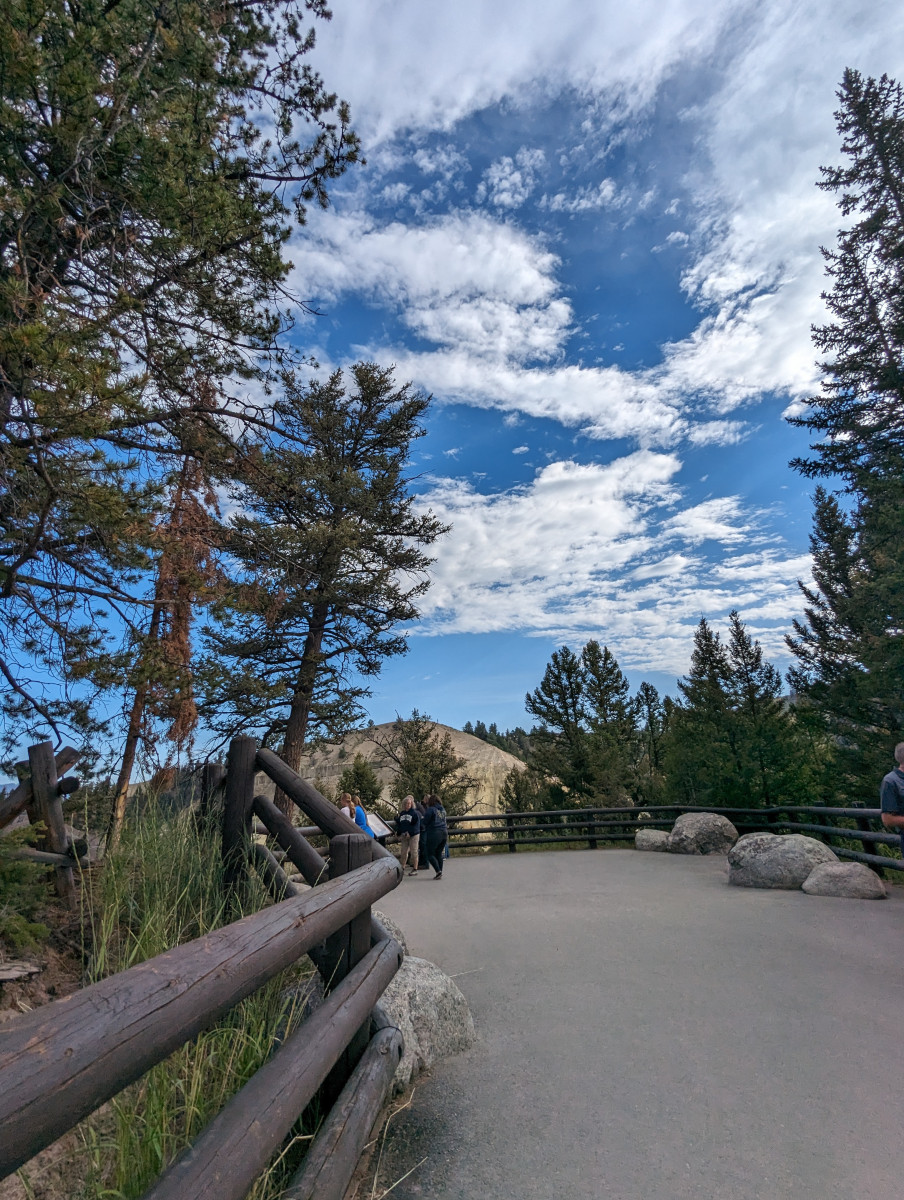
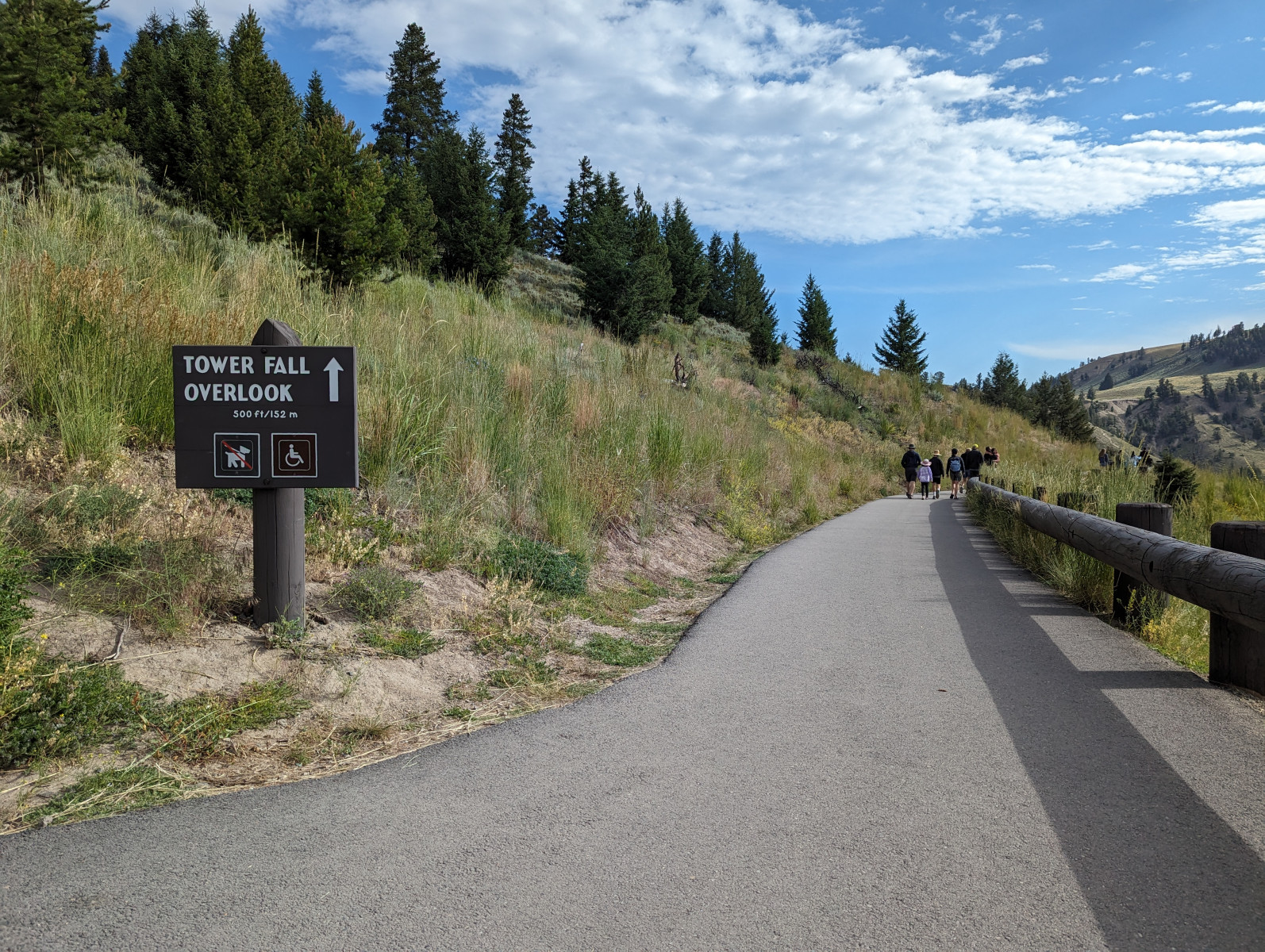
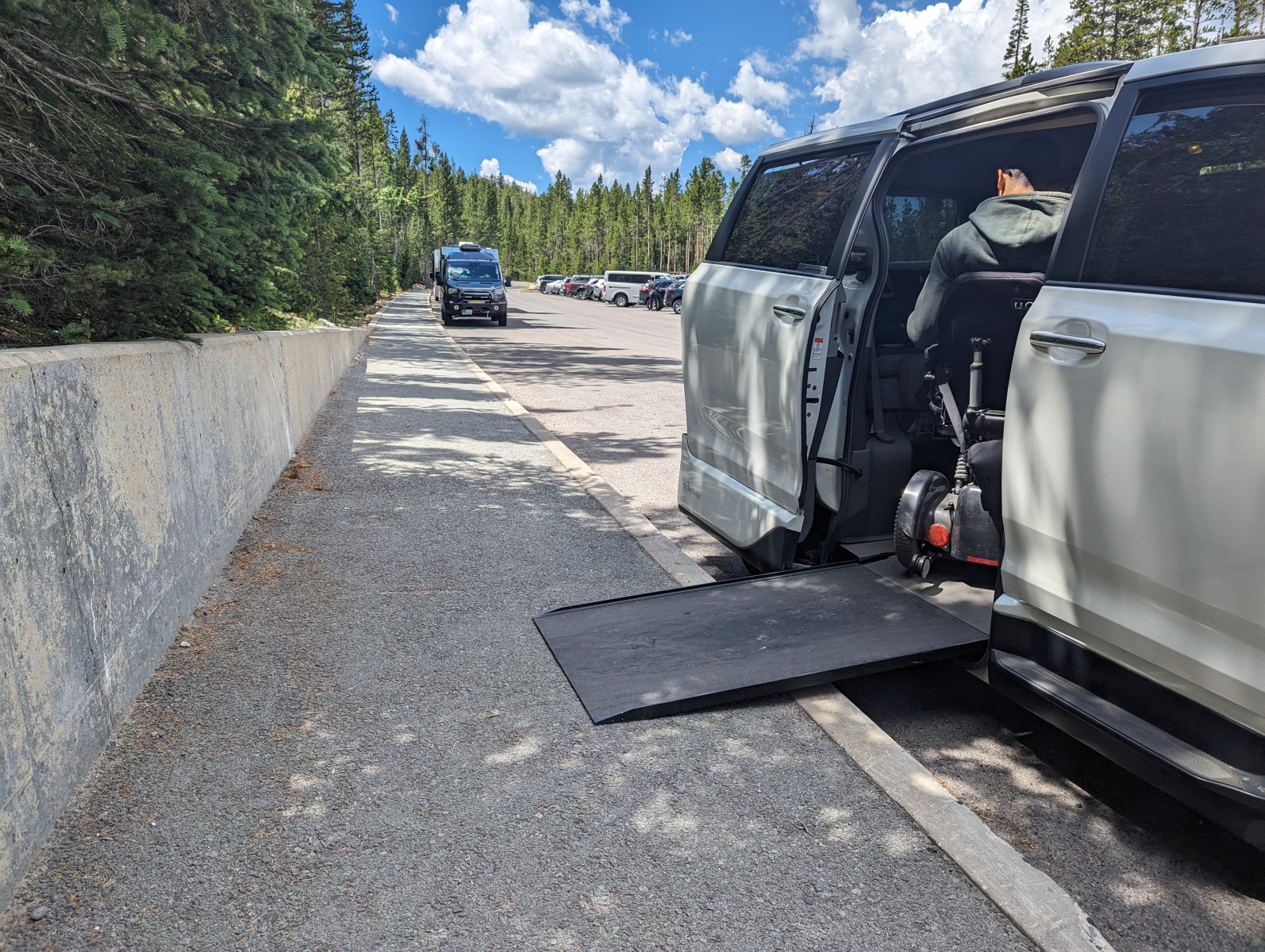
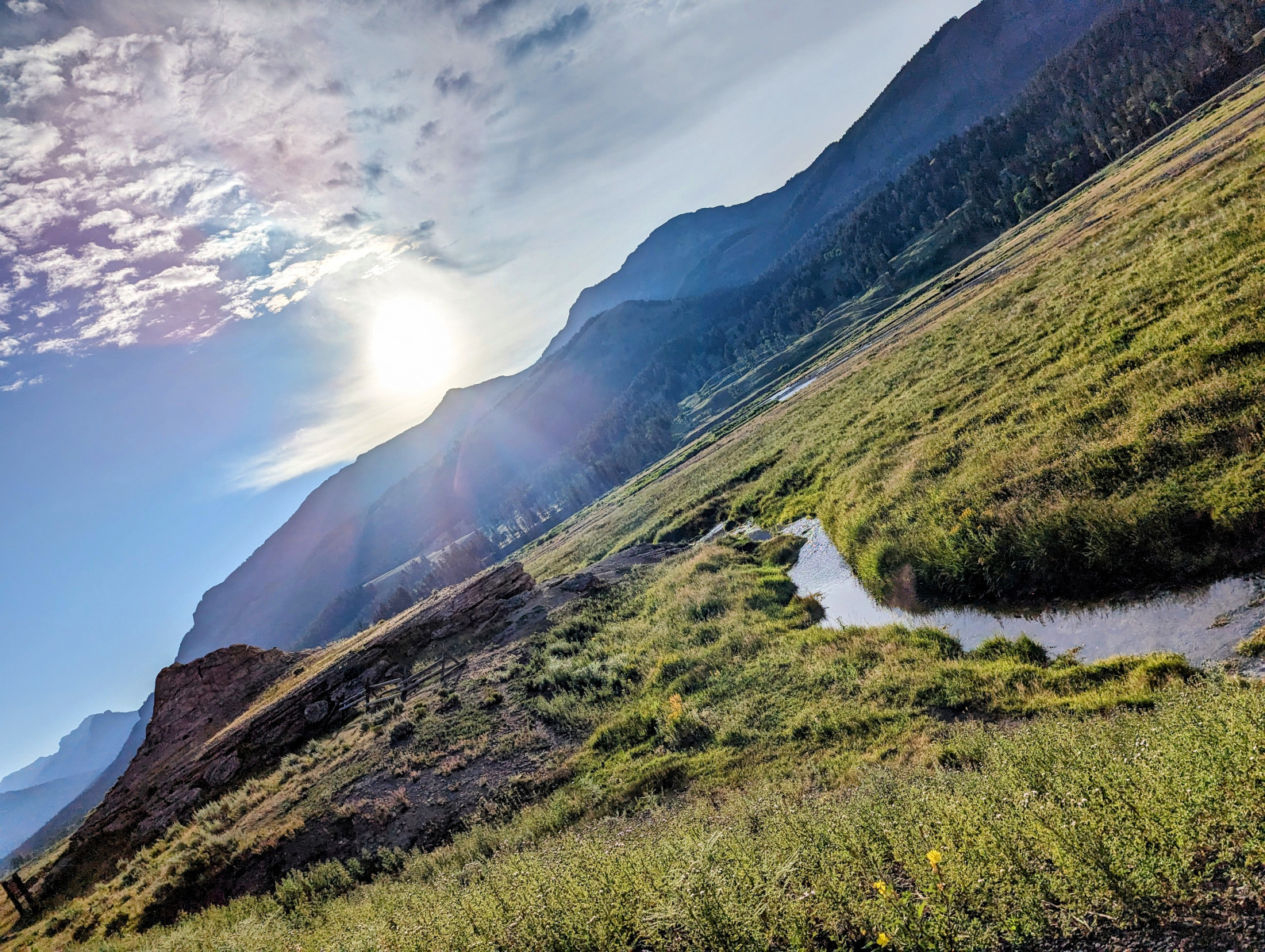
A plethora of overlooks are found throughout Yellowstone. Some sites can be seen without getting out of the vehicle, while others require a little stroll. Designated, wheelchair accessible parking spots are often seen at the overlooks, and are commonly used heavily at peak spots and times.
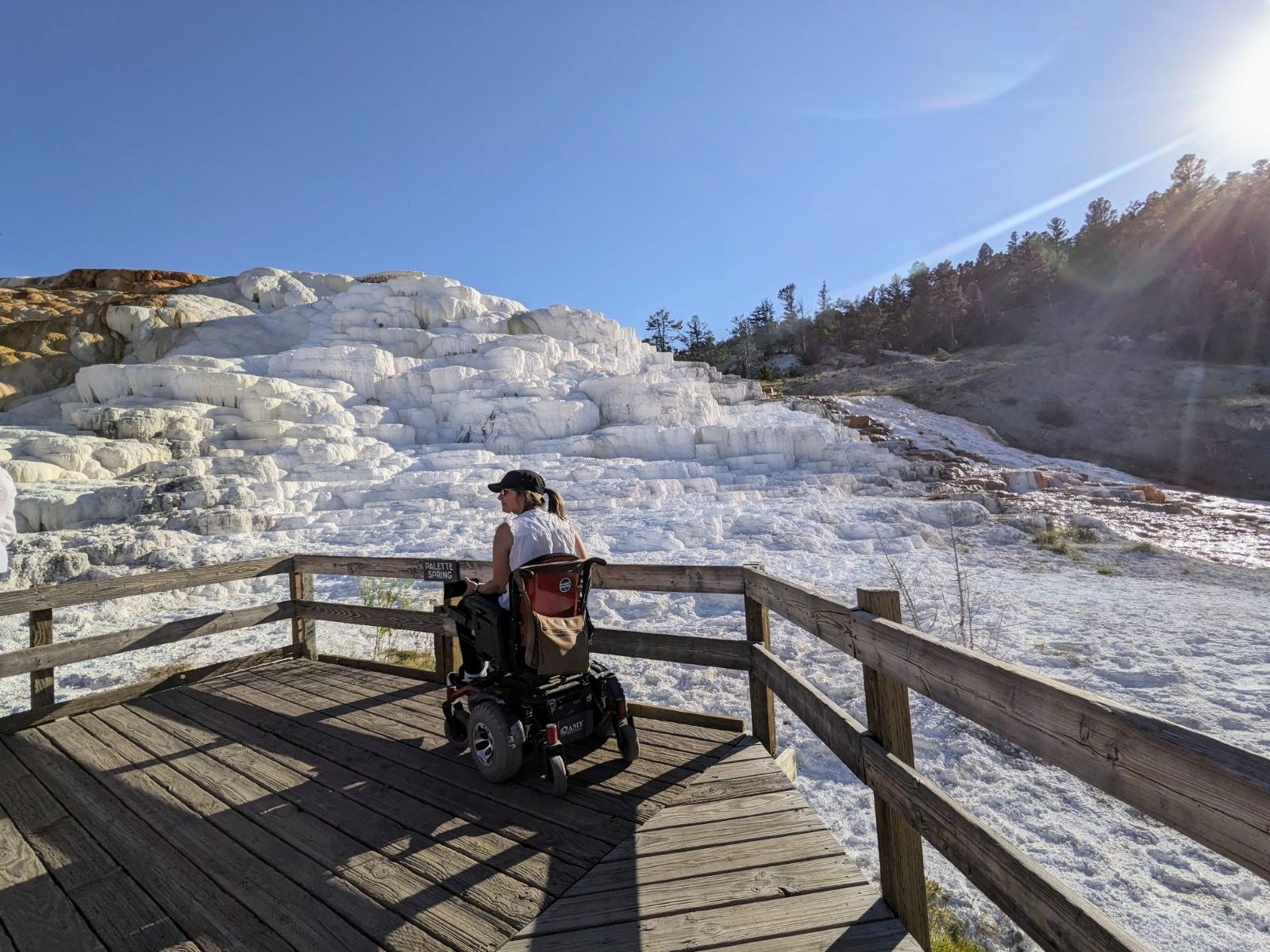
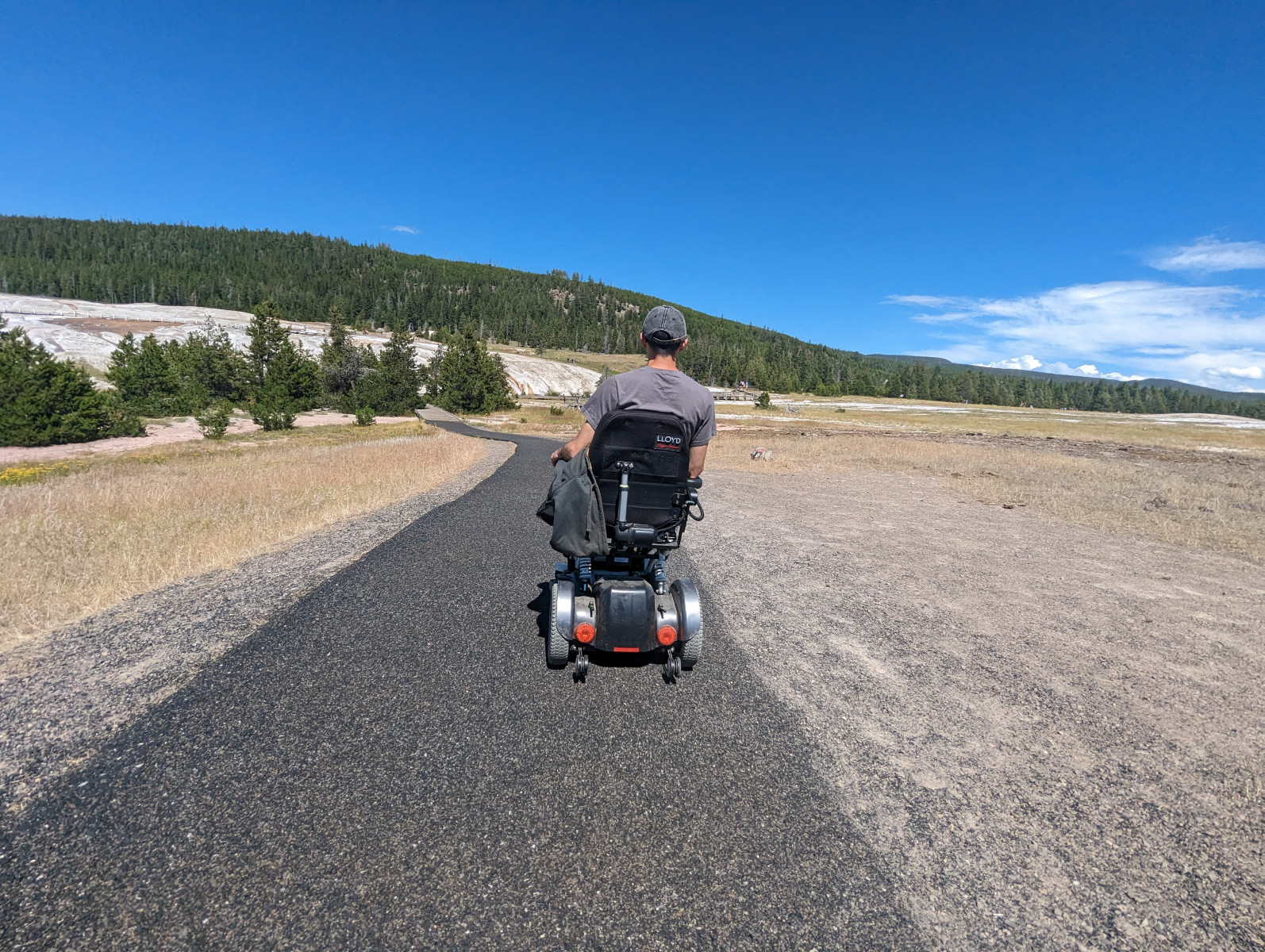
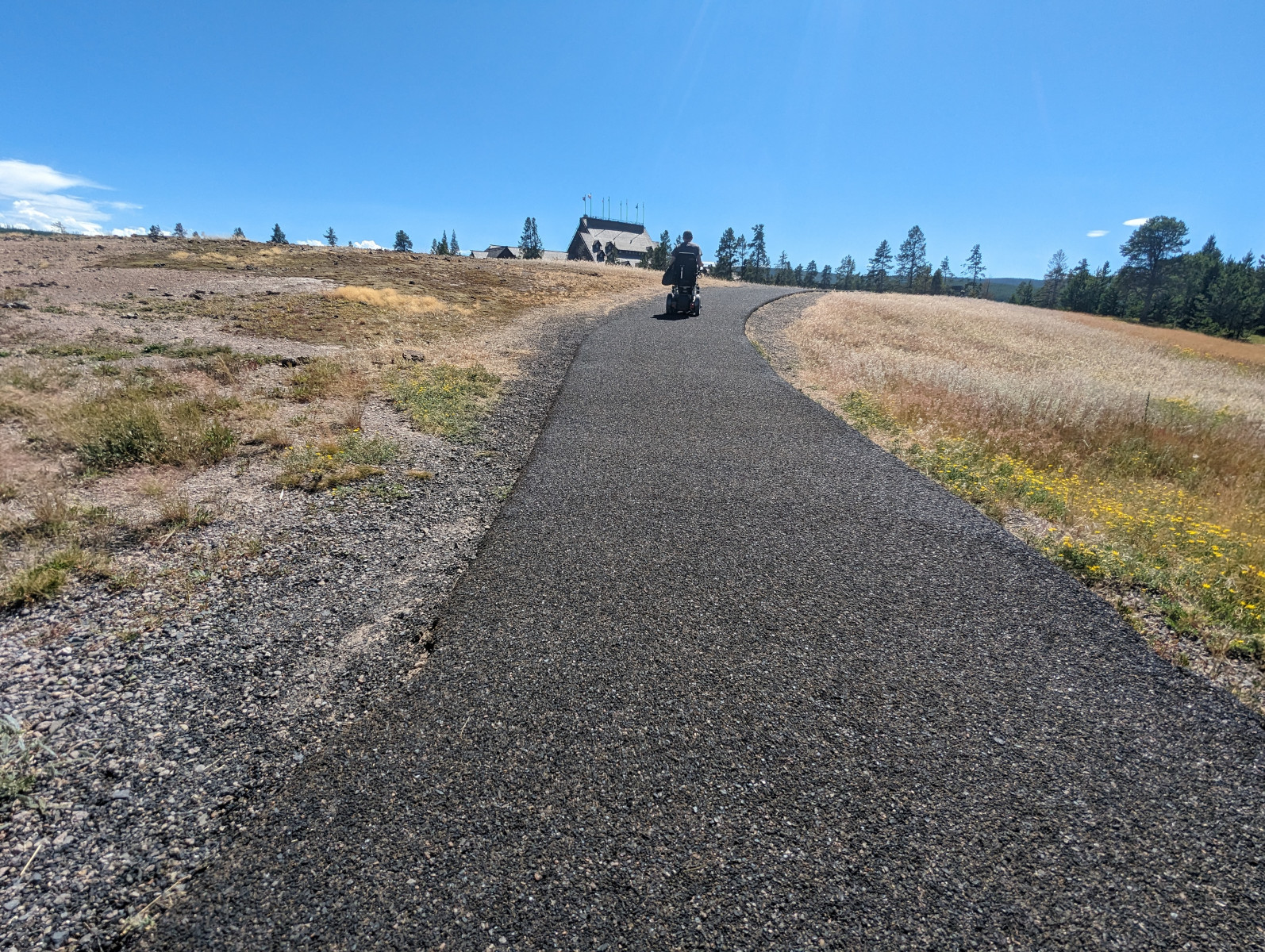
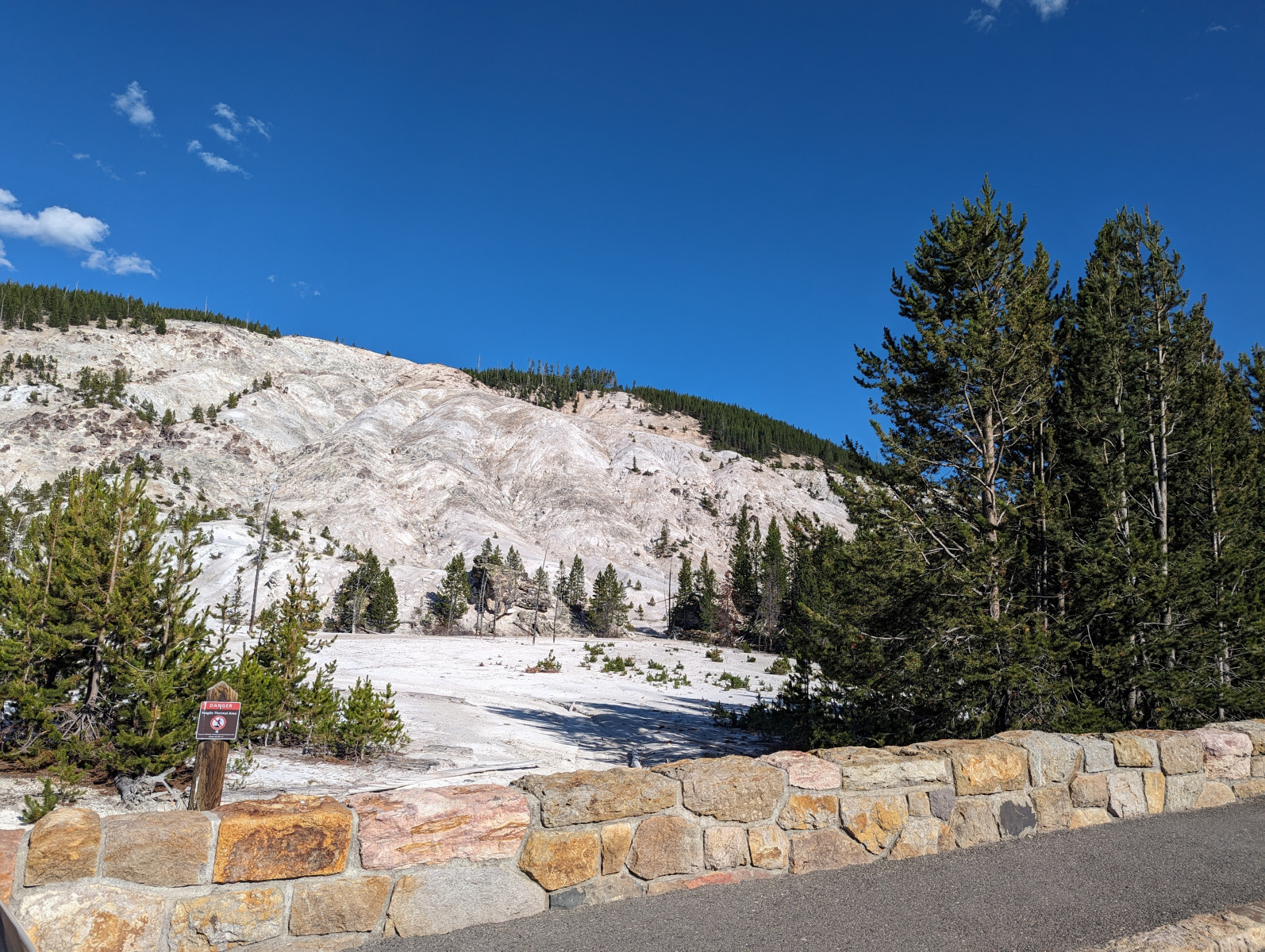
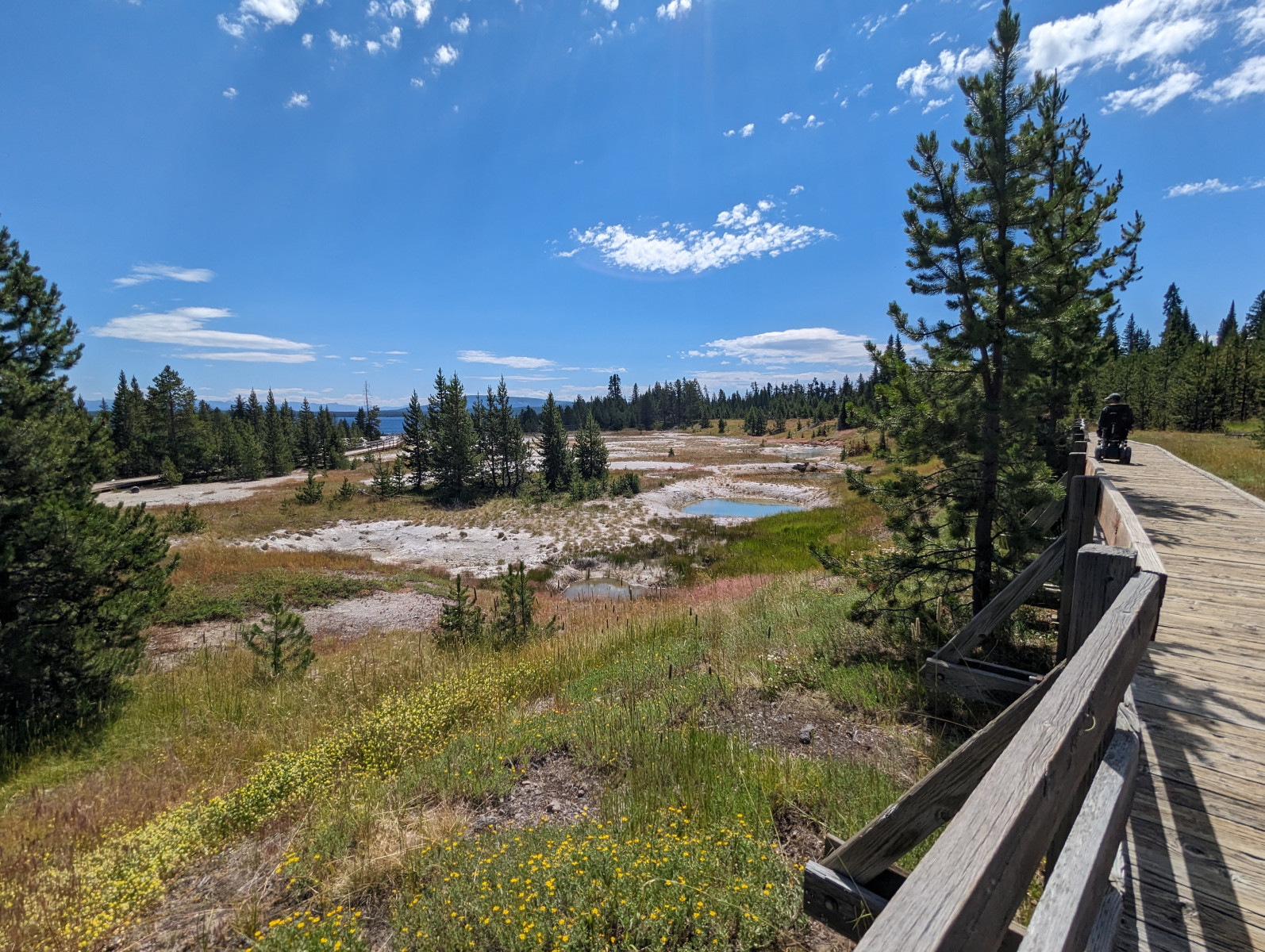
Throughout the park are several boardwalk trails. Trails to and around geysers are much more weathered with weak or broken spots. Weathered wooden boardwalks become extremely bumpy for someone traveling with a wheelchair, so plan accordingly. Some sections of a boardwalk may be a steep grade (8-10 degrees), so assistance is possibly required, especially if using a manual wheelchair.
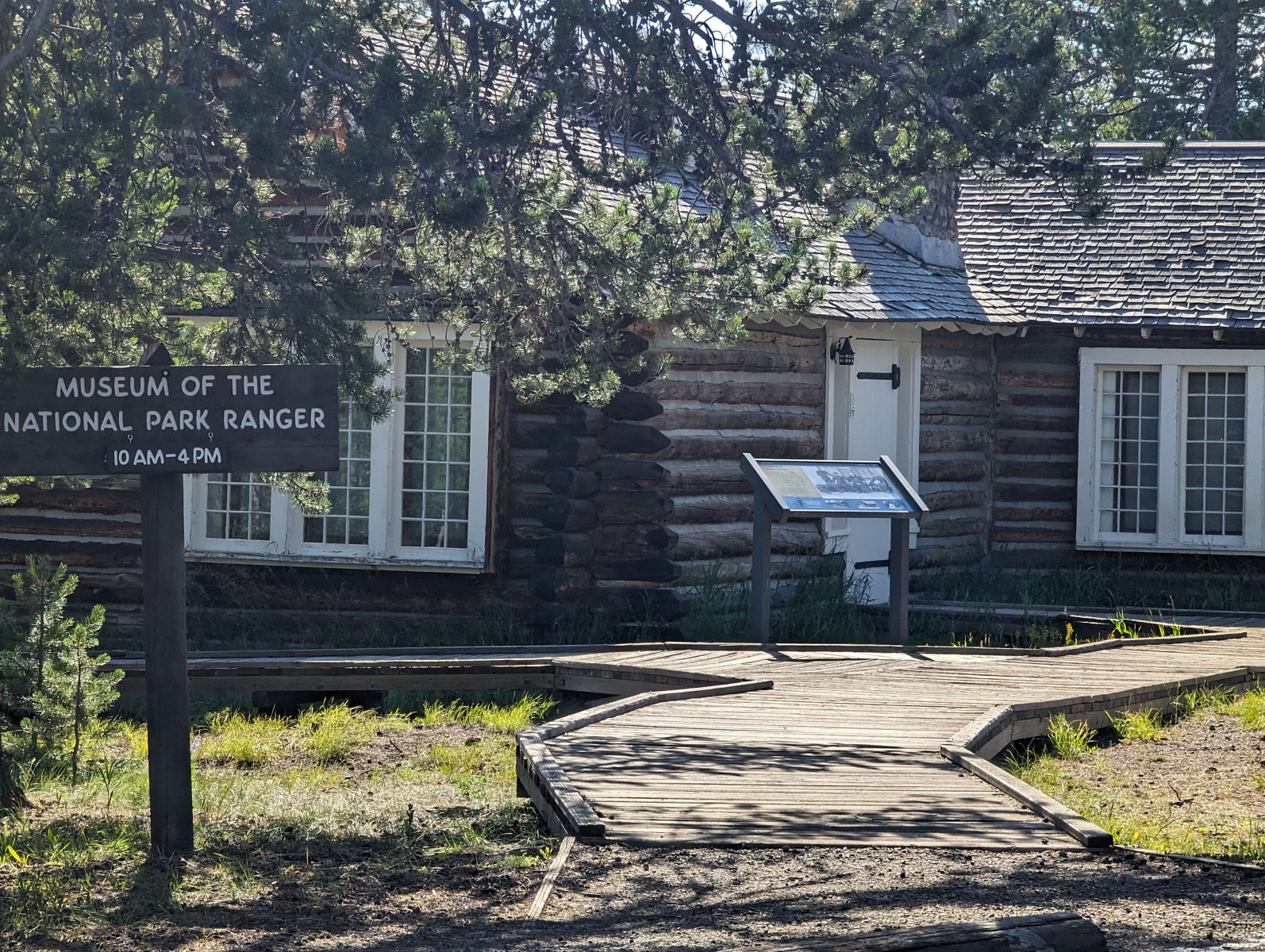
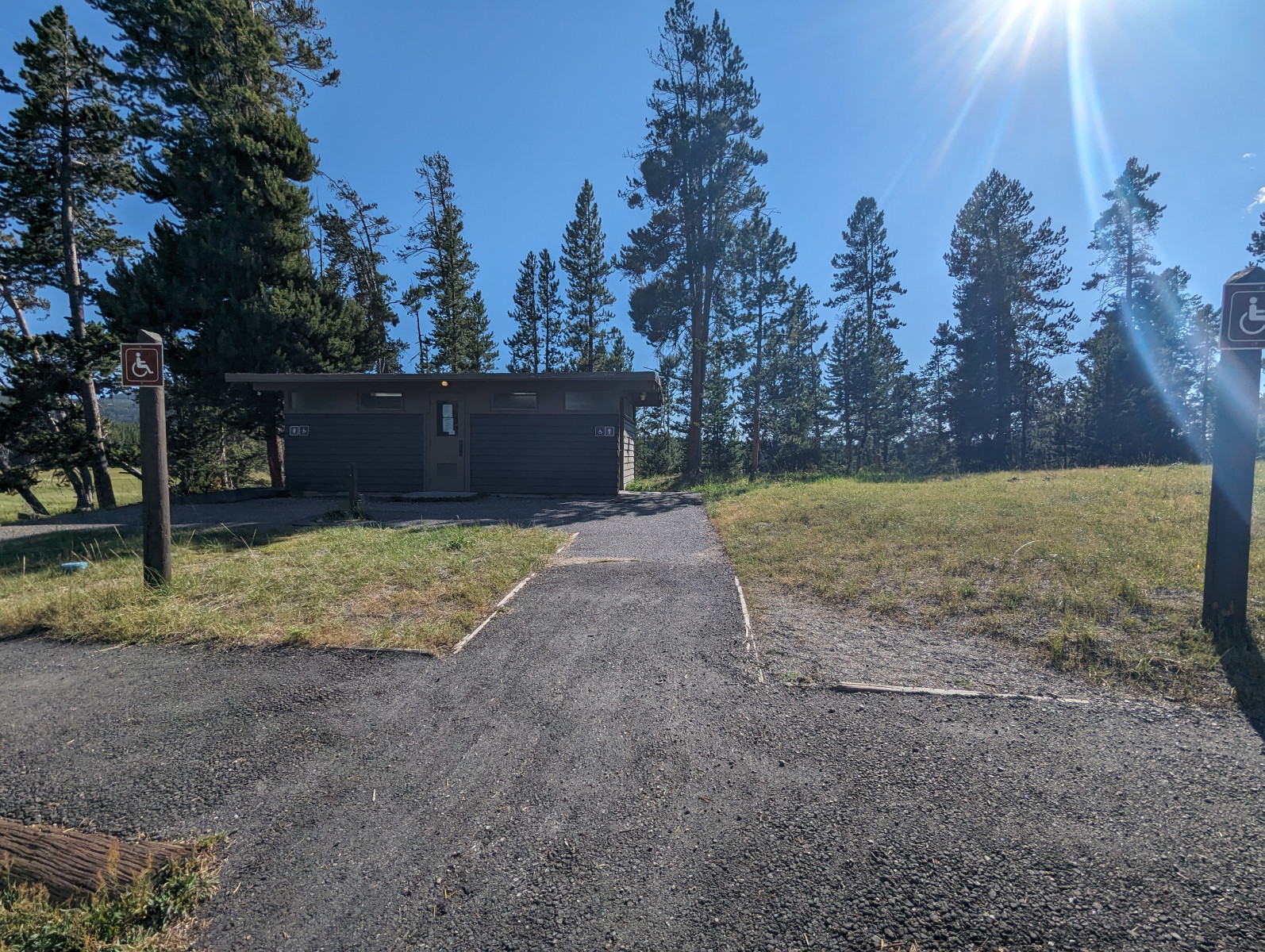
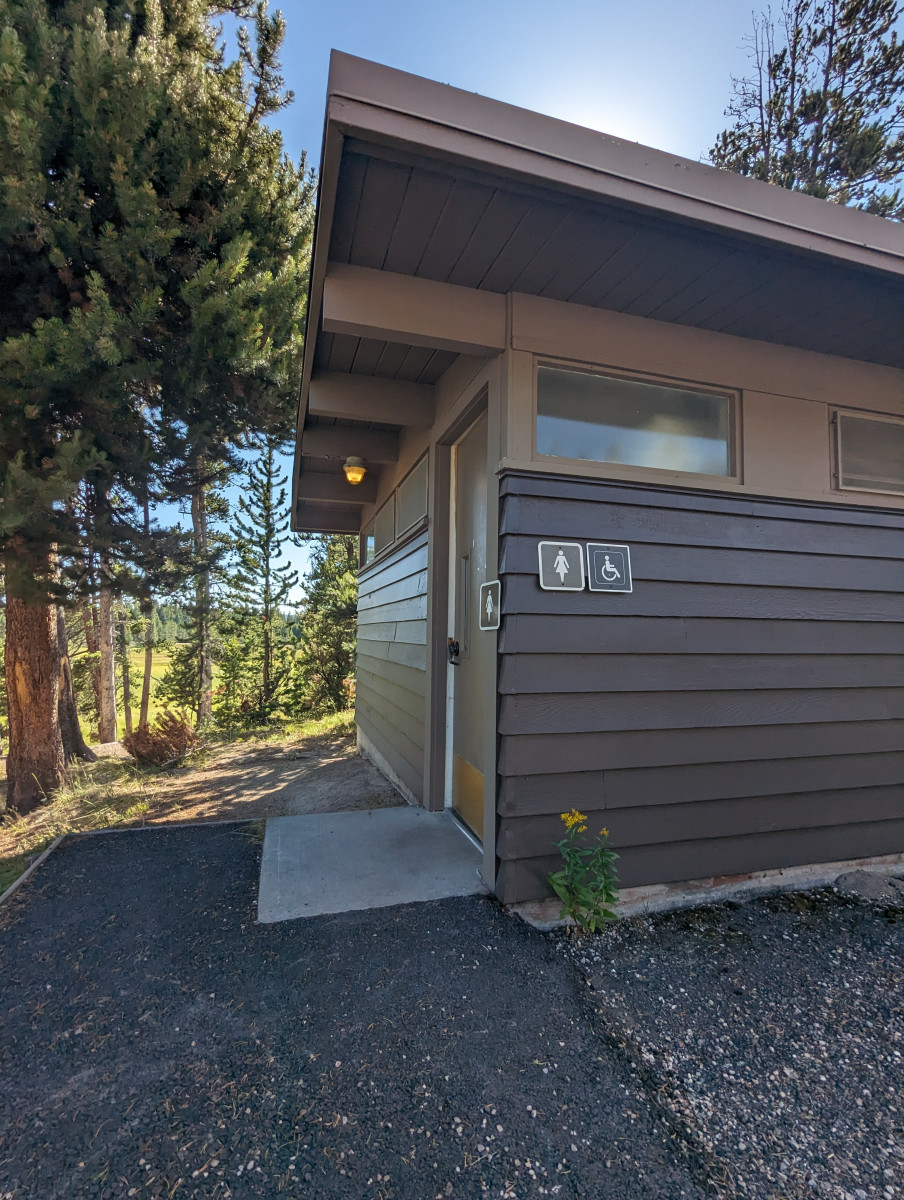
For example, in the Norris Geyser Basin Area, the boardwalk around the Museum of National Park Ranger with views of the meadow and Gibbon River is basically level and well-maintained. One curb cut is closest to the museum entrance by the two accessible parking spaces, and accessible flush toilets are nearby. Just down the road, visitors with wheelchairs can see the Porcelain Bain from the Norris Museum, but to get down to the Emerald Pool and geysers requires navigating down steep hills and changes in the trail surface. Stairs in some places are also an issue.
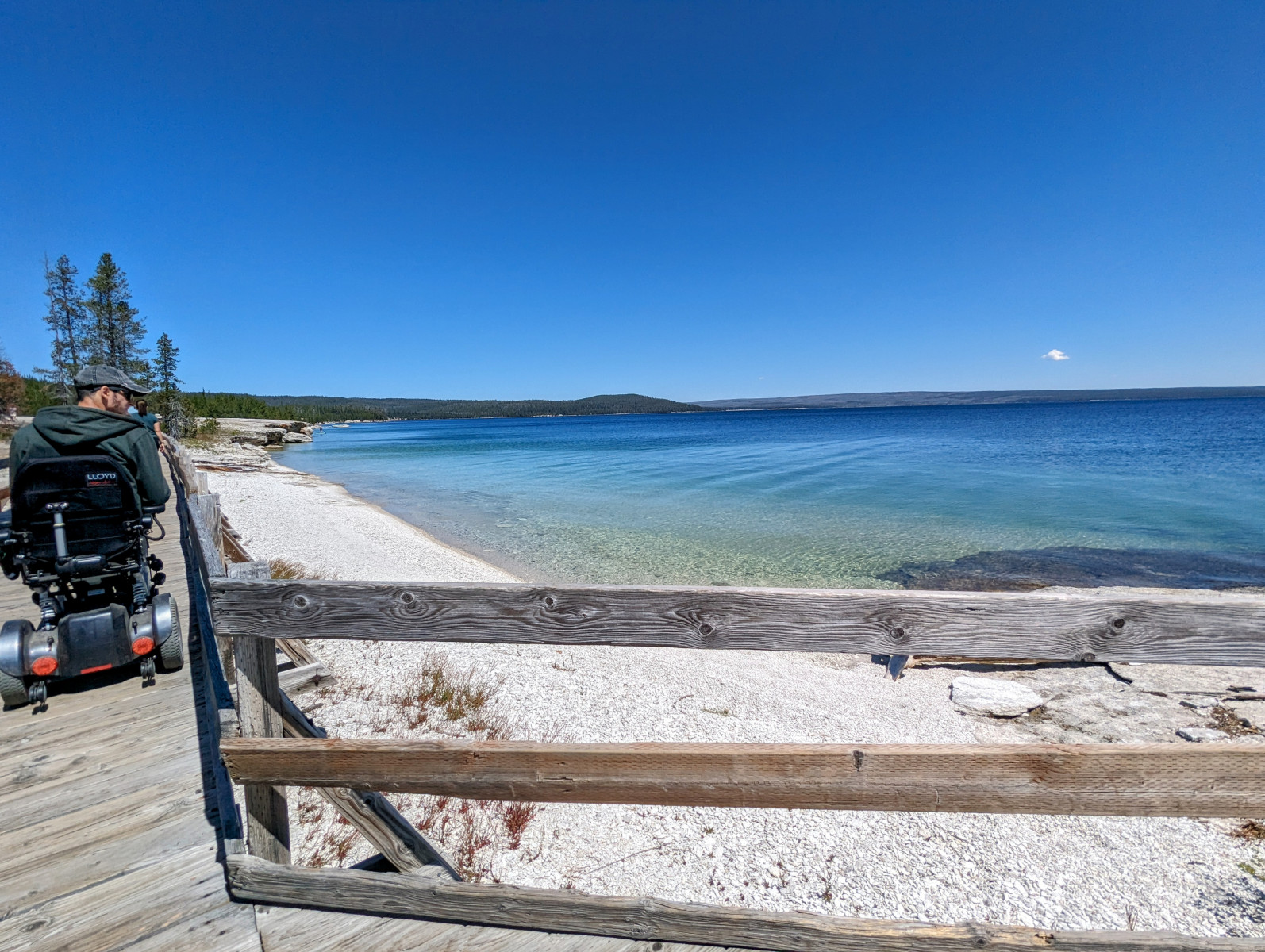
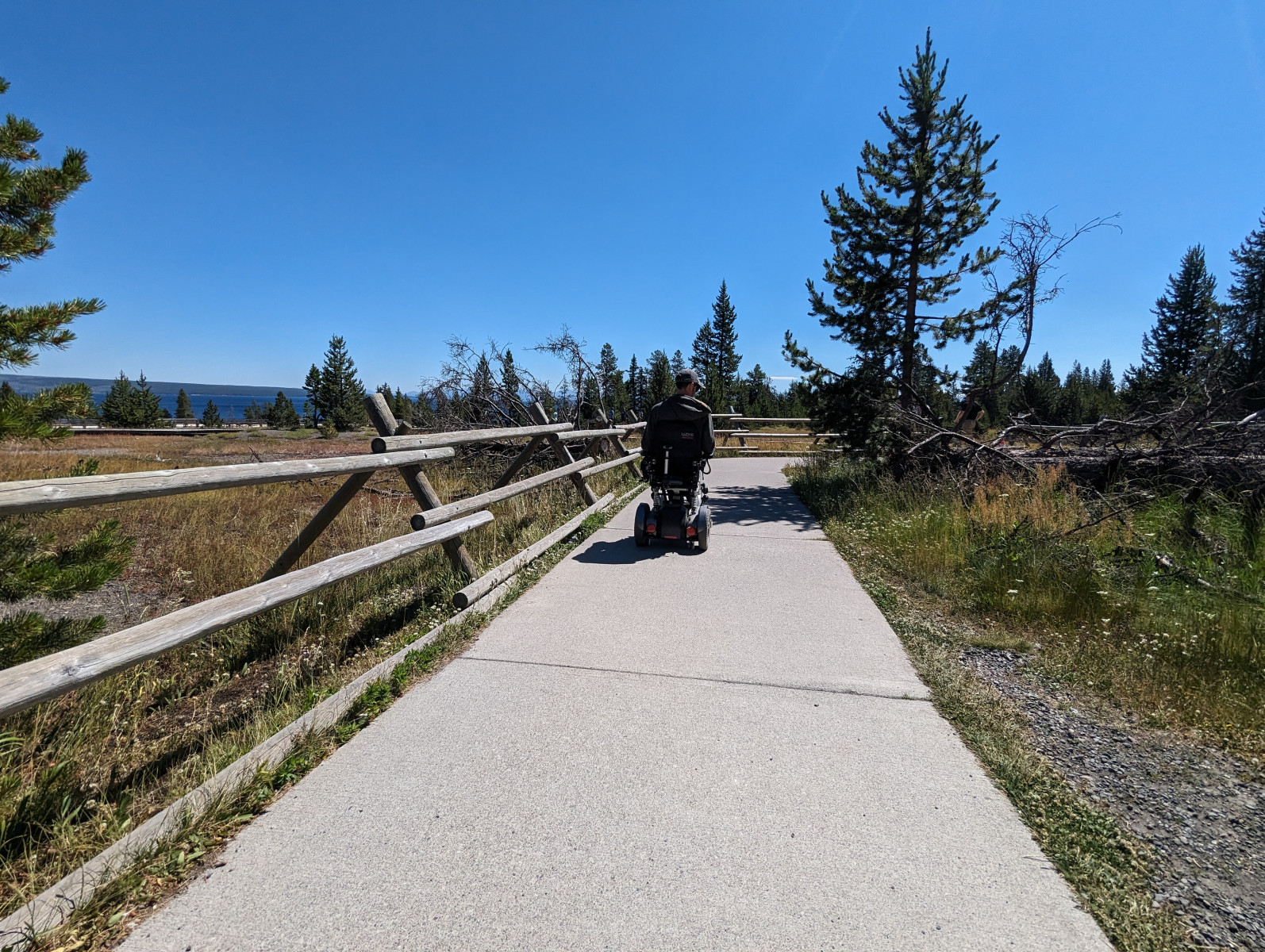
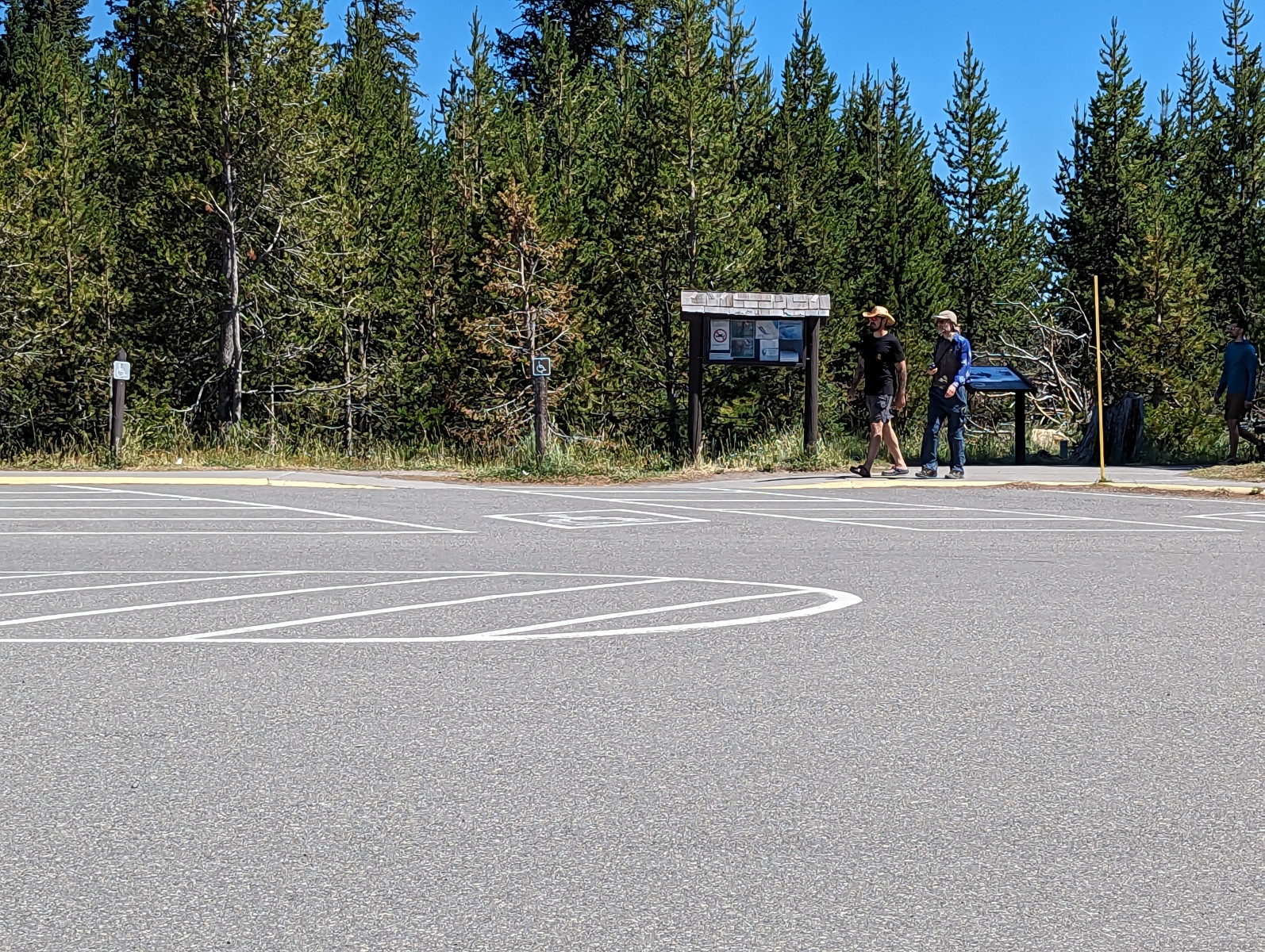
Avoiding hills and weathered, bumpy boardwalks is nearly impossible with Yellowstone trails, so make your efforts count if traveling with a wheelchair. One trail that may be worth it is the West Thumb Geyser Basin Trail is located along Yellowstone Lake. This area has one of the largest thermal basins in the park with a number of pools, and it’s particularly lovely because it is located along Yellowstone Lake. Some of the natural thermal features, called cones, are set in the lake. A few designated accessible parking spots are at this site along with accessible vaulted toilets.
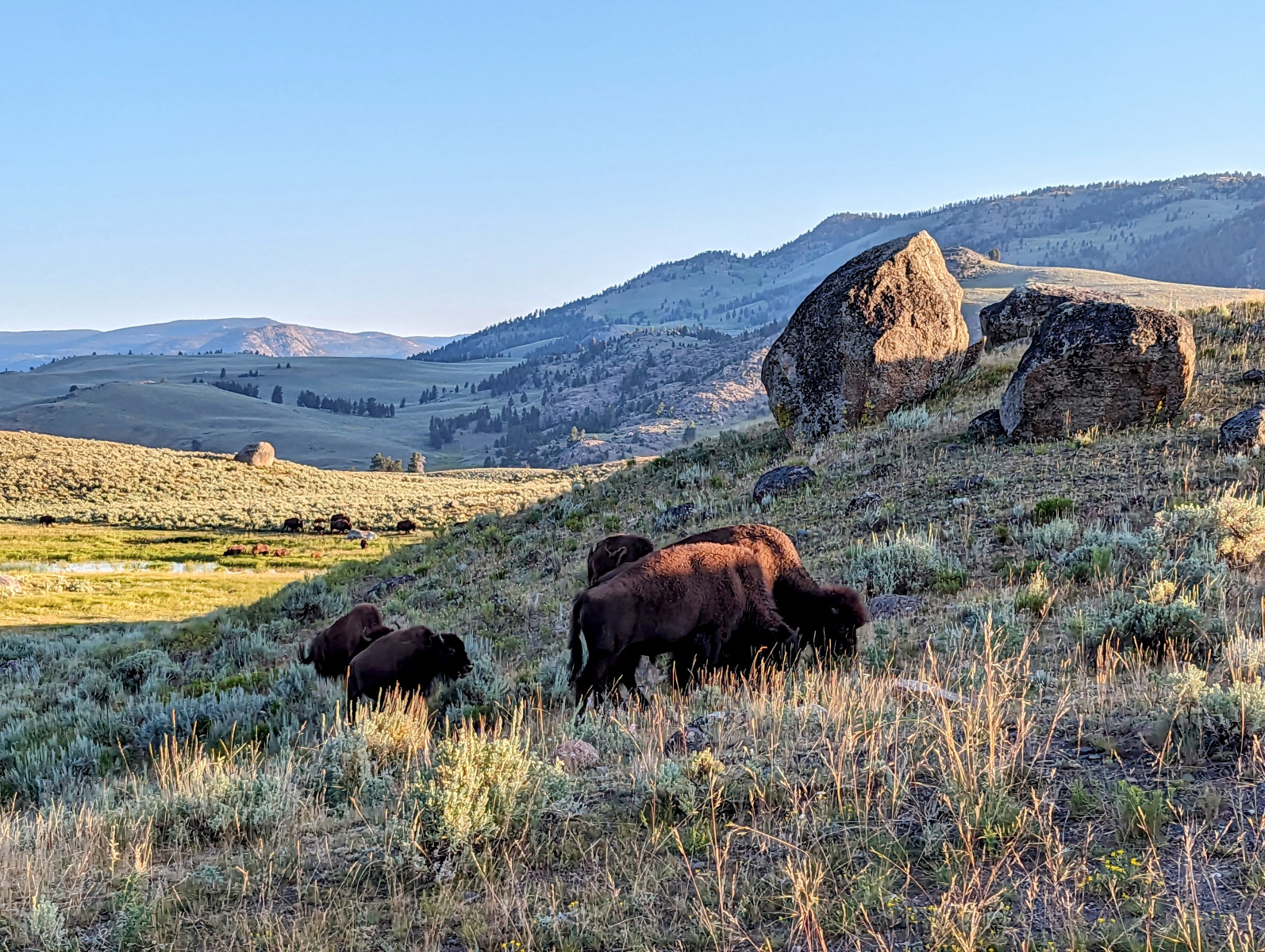
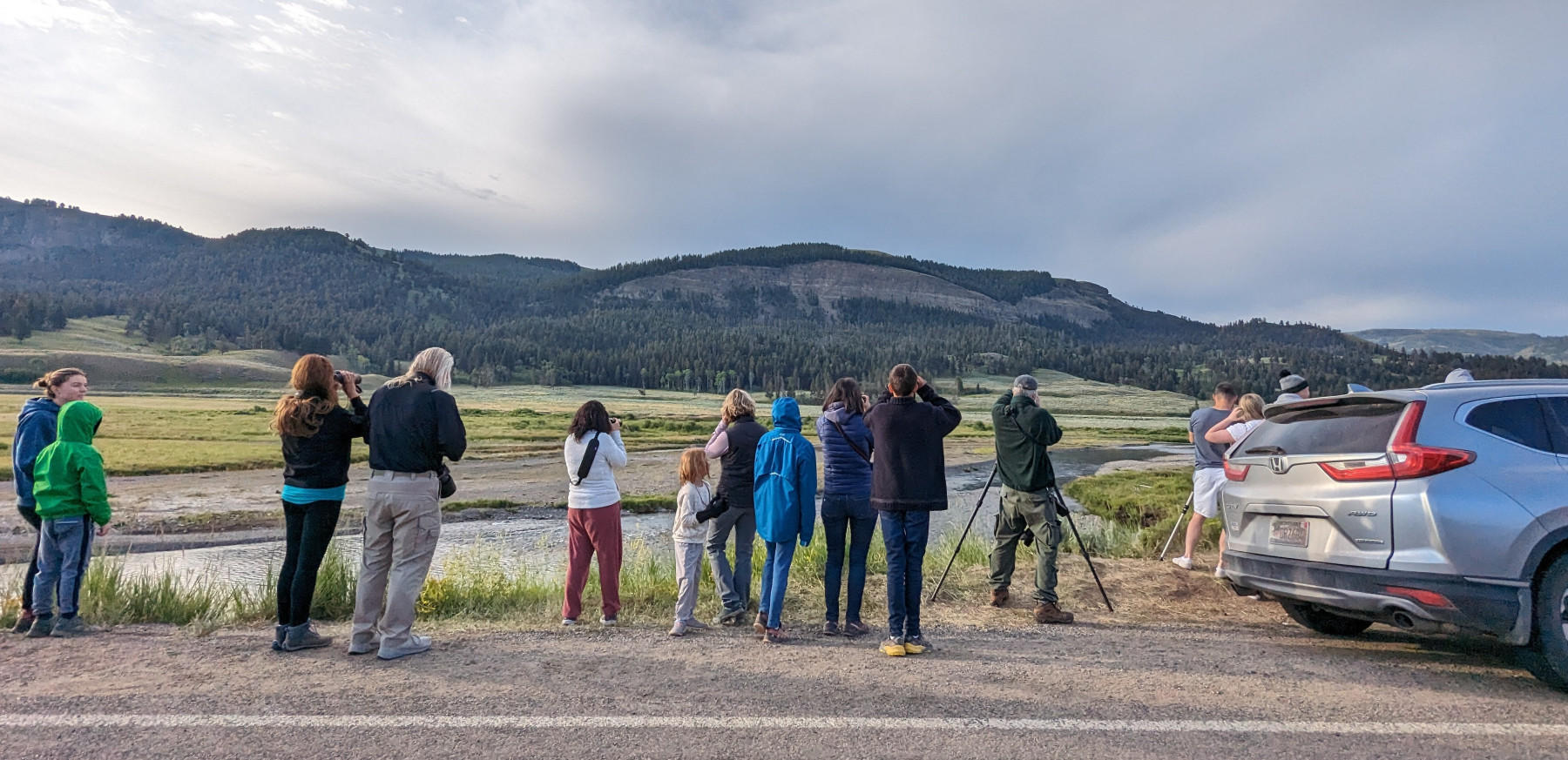
Perhaps just as famous as Old Faithful are the animals of Yellowstone National Park. Grizzly and Black Bears roam throughout the park. Most commonly seen are Elk and Moose. Wolves are the most elusive. The best time for animal sightings is in the early morning and evening when it’s not too hot or bright. Use Google Maps to watch for red traffic. Oftentimes, this means a wildlife sighting and people are slowing down and/or stopping, but occasionally it indicates construction.
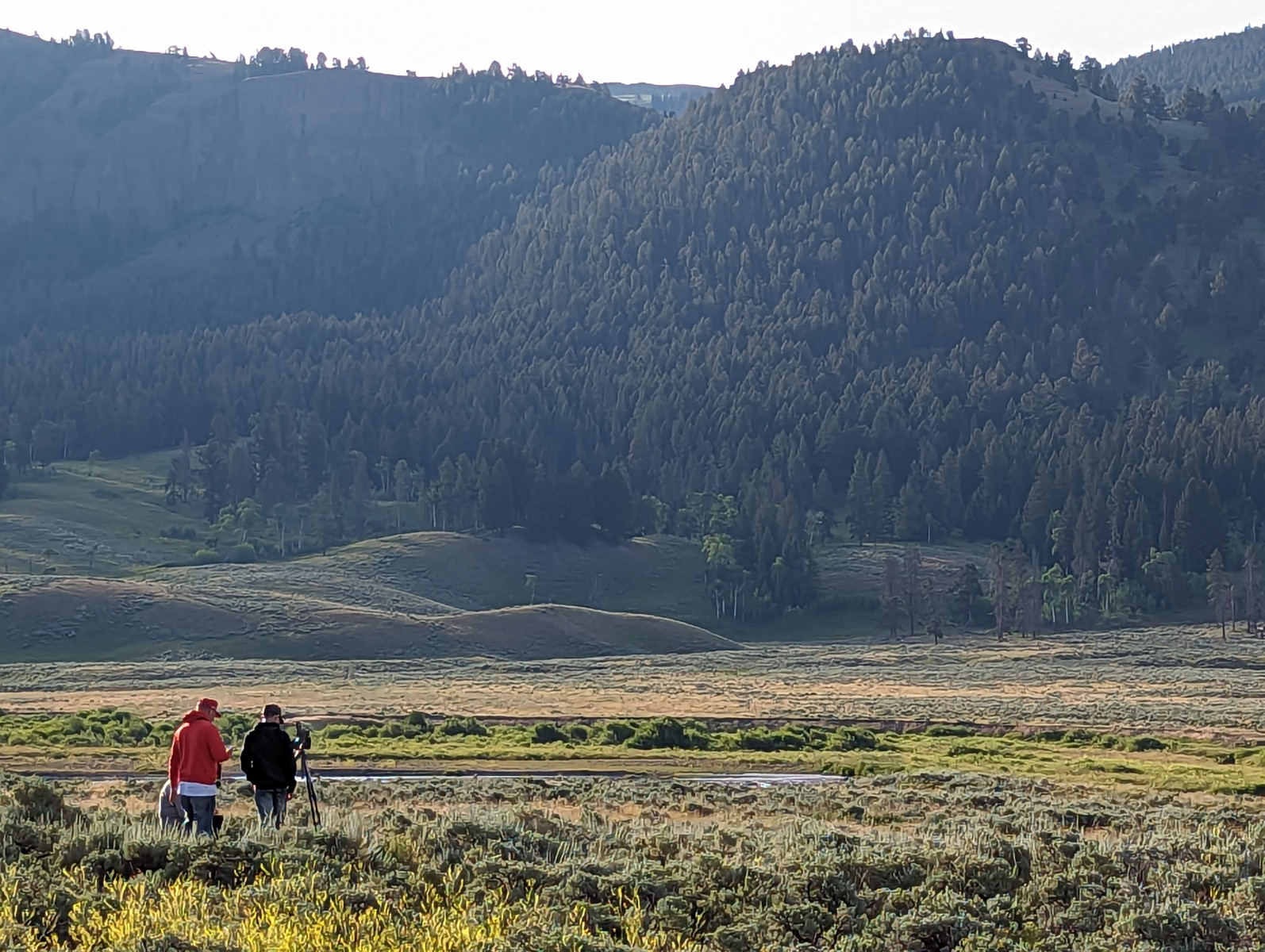
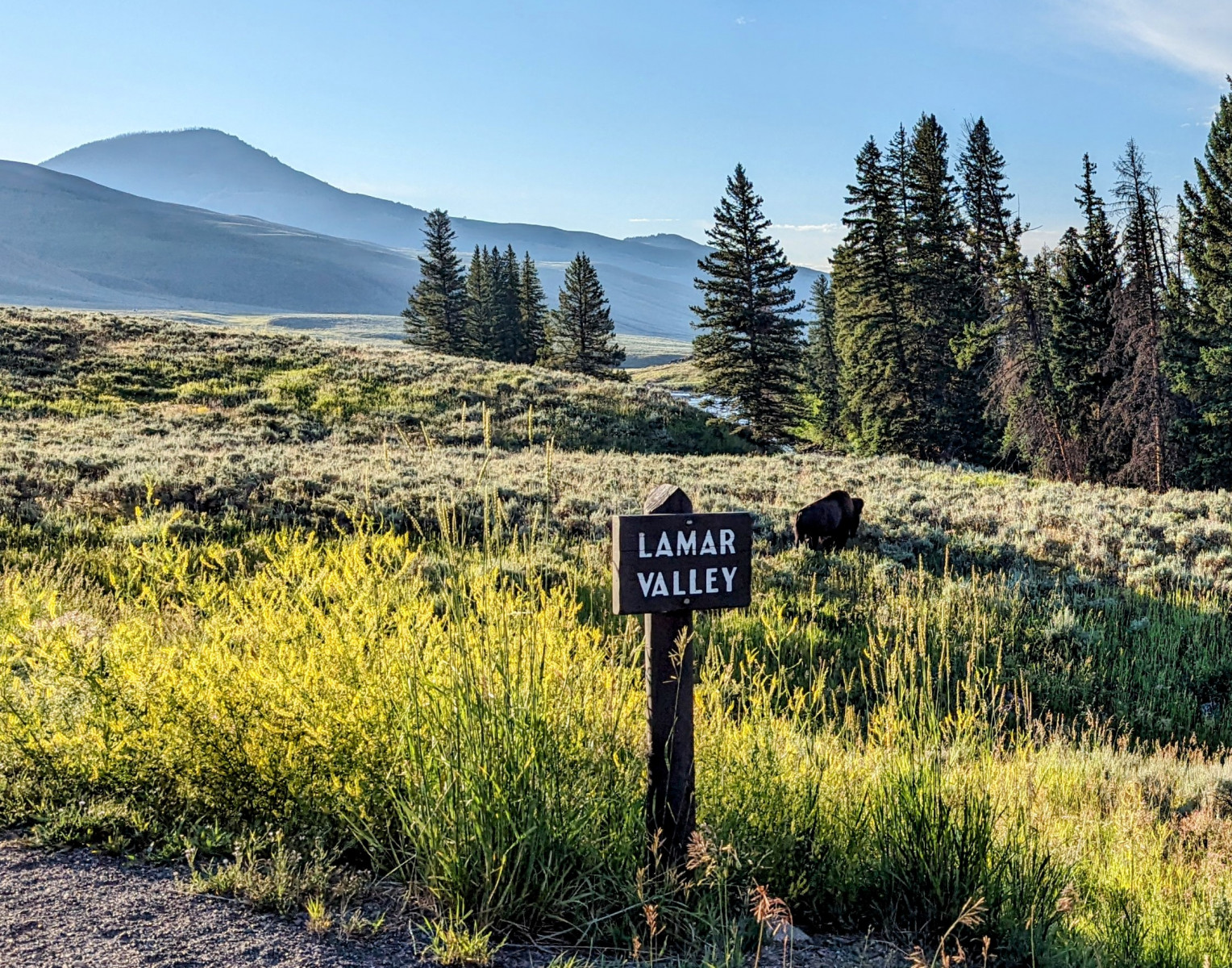
There are many places to see wildlife in Yellowstone National Park, and this link helps to find out what animals are in what location. Driving from Hayden Valley (South End) to Lamar Valley is one recommendation as well as both sides of the river. An accessible vaulted toilet is at the Lamar River trailhead.
Morro Bay, located on California’s stunning Central Coast, is a wheelchair-friendly destination known for its…
From sunny beaches to world-class museums, Los Angeles offers incredible wheelchair-accessible experiences. This list includes…
Top 8 Wheelchair-Accessible Lake Destinations in Michigan Michigan's lakeshore is home to several destinations that…
Wheelchair accessible lighthouses in Michigan are rare, but several provide paved paths, ADA restrooms, and…
✈️ Planning a Trip to Canada? Know Your Accessibility Rights Whether you're exploring the vibrant…
For wheelchair users seeking remote or off-grid adventure, whether trekking through forest trails, exploring deserts,…
This website uses cookies.