If it wasn’t for some adjustments made before the Beijing Olympic Games 2008, a sightseeing tour was completely impossible for people using wheelchairs. However, many accessible adjustments that were made during the Olympics have been removed and the rest of the country remains not wheelchair friendly. An American citizen can go to Beijing without a Visa for 72 hours only on the condition that he provides an exact itinerary and he can stay only in Beijing. If he wishes to go someplace else or to stay more than 72 hours he needs to have a Visa.
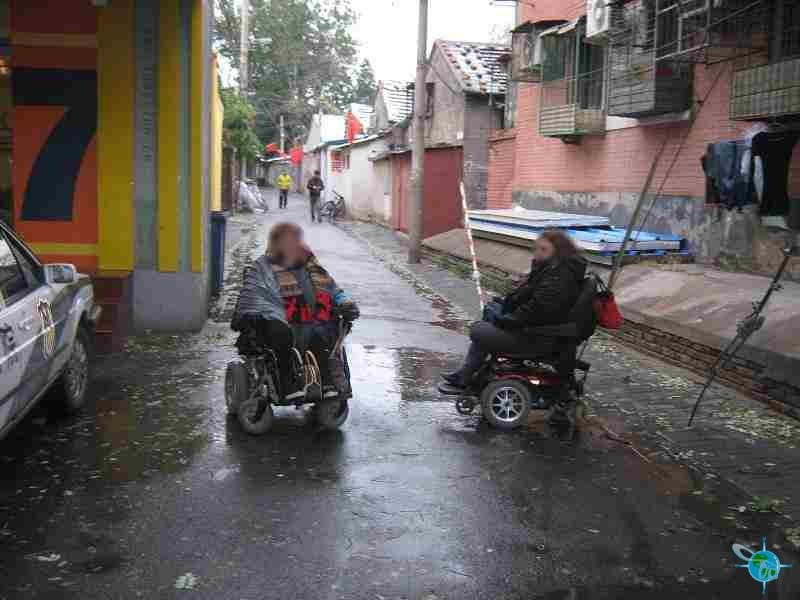
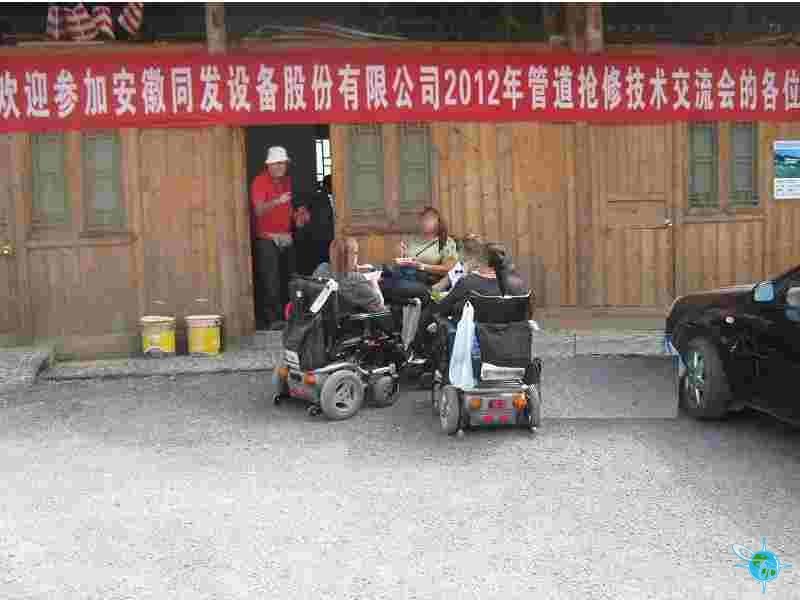
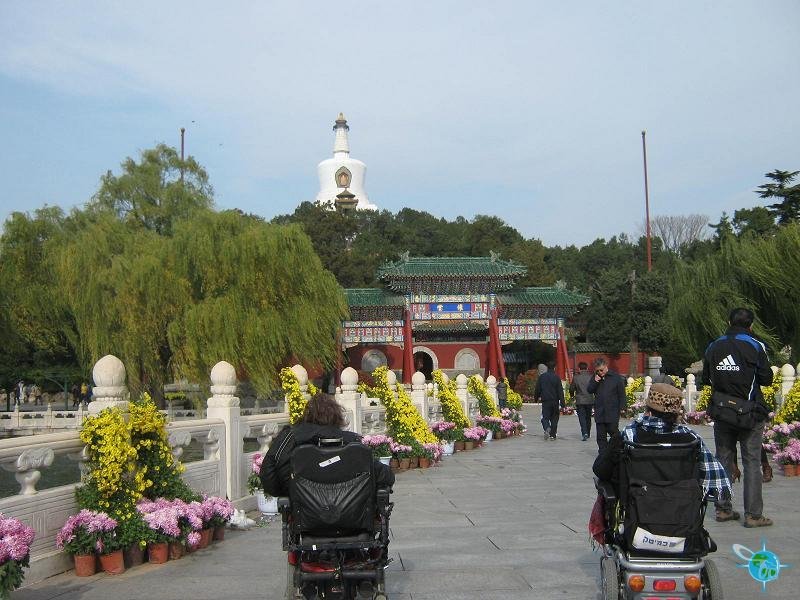
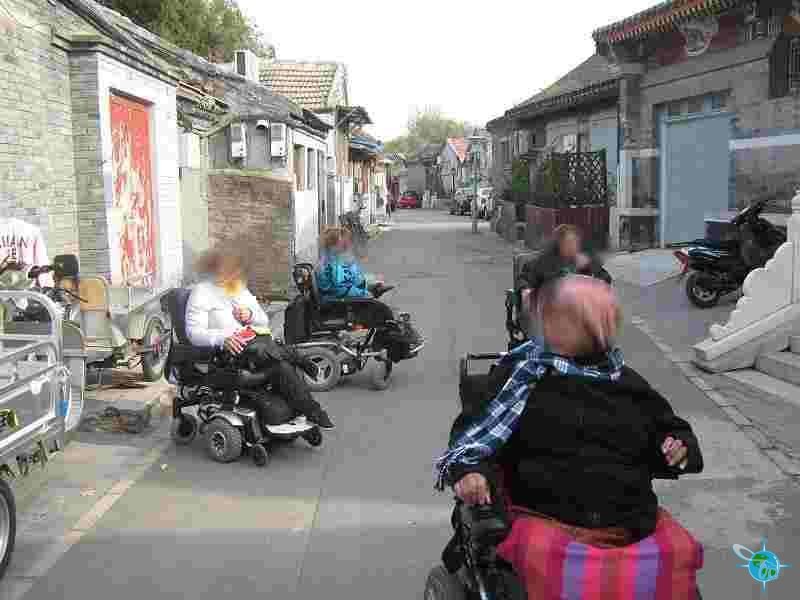
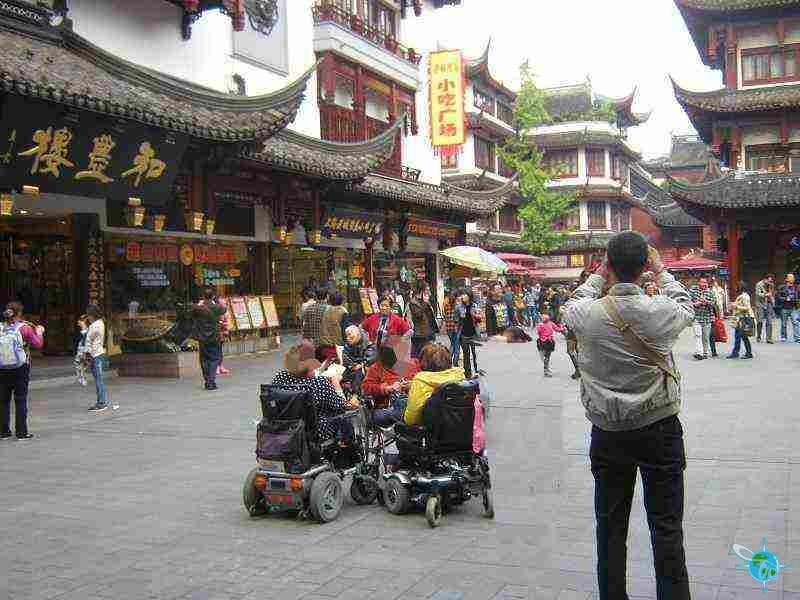
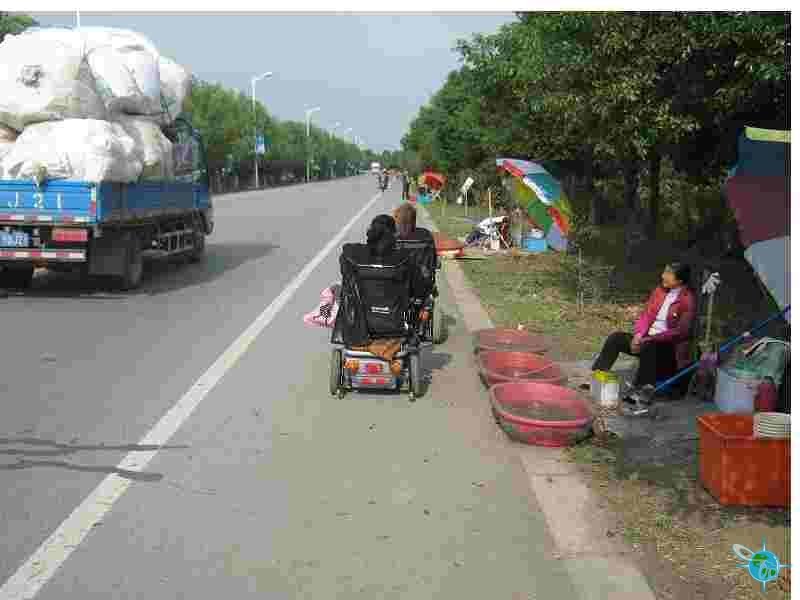
It takes not only a visa to travel to China in a wheelchair but more importantly motivation and a positive attitude to conquer the obstacles that await. In China, not only are there no wheelchair ramps but the majority of the time entrances to buildings have an elevated wooden beam, which is a traditional design element to block evil spirits. However, it also creates a barricade for people who use wheelchairs. Wheelchair users are not commonly seen about and about, so when traveling to China expect to see many curious onlookers, which are often not discreet. Most restaurants, shops, and tourist sites are not wheelchair accessible so participants must be flexible and courageous to make it work.
The most popular cities to tour are Beijing, Shanghai, Xian, and Guilin as well as places like Yangshuo, Longsheng, Shuzo, and more. Flights commonly enter Hong Kong.
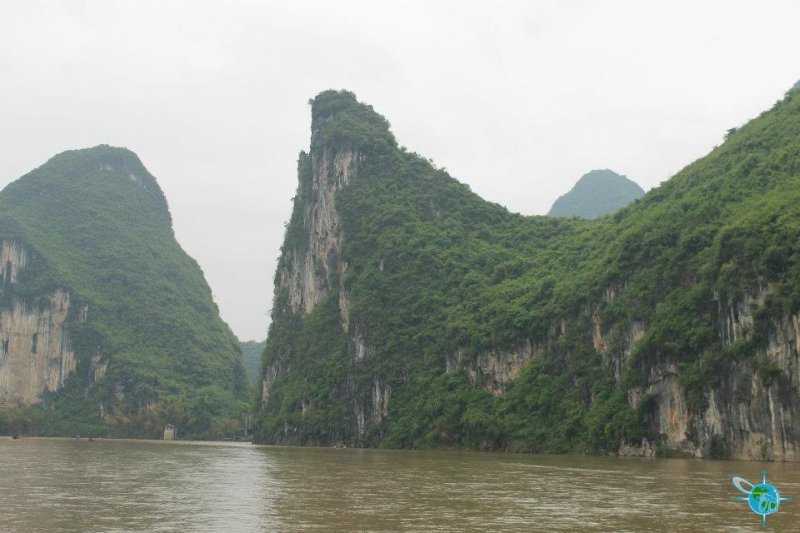
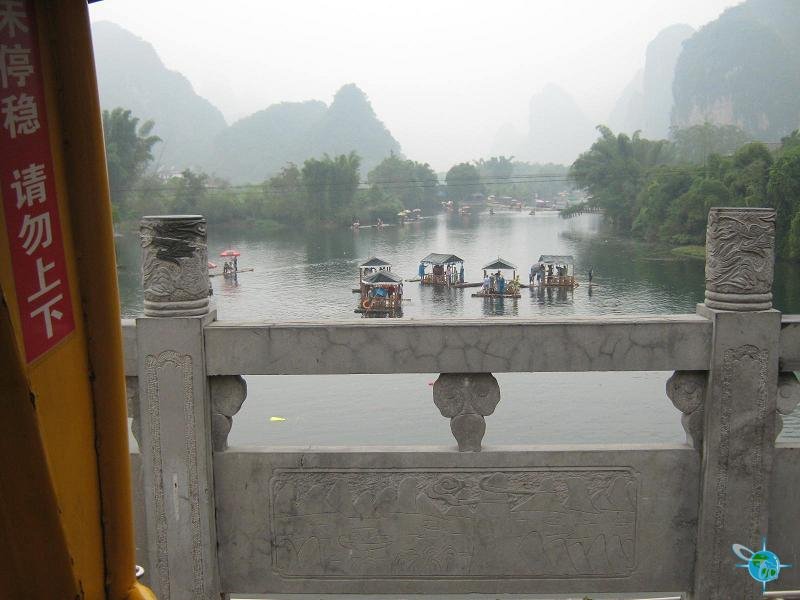
Day 1: In Guilin enjoy a magnificent cruise on the “four lakes” of Guilin, watching the traditional shows along the banks combined with the sight of recently built “old style pagodas” and the special bridges along the route. Then take a short walk along the famous pedestrian zheng yang of Guilin introducing the Chinese souvenir market and bargaining traditions.
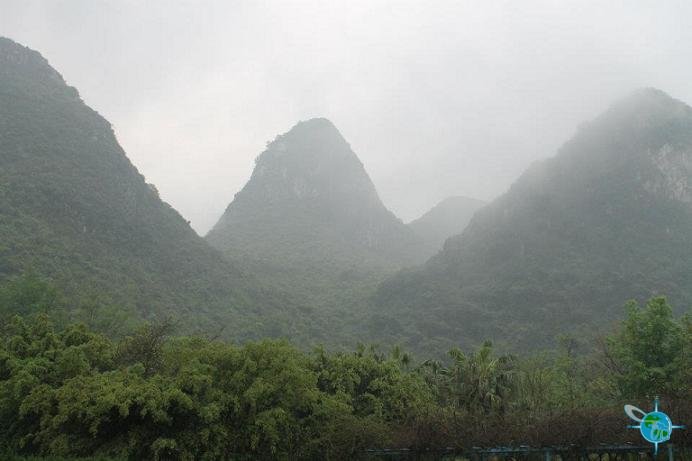
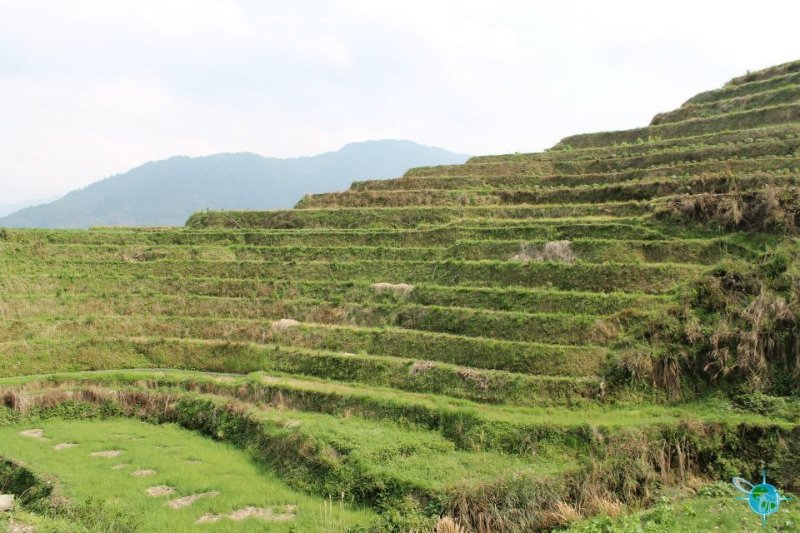
Day 2: About 2 hours away driving is a place called Longsheng to observe spectacular rice terraces while stopping in the Yao village, swaying short rope bridge crossing, and watching a show by Yao women.
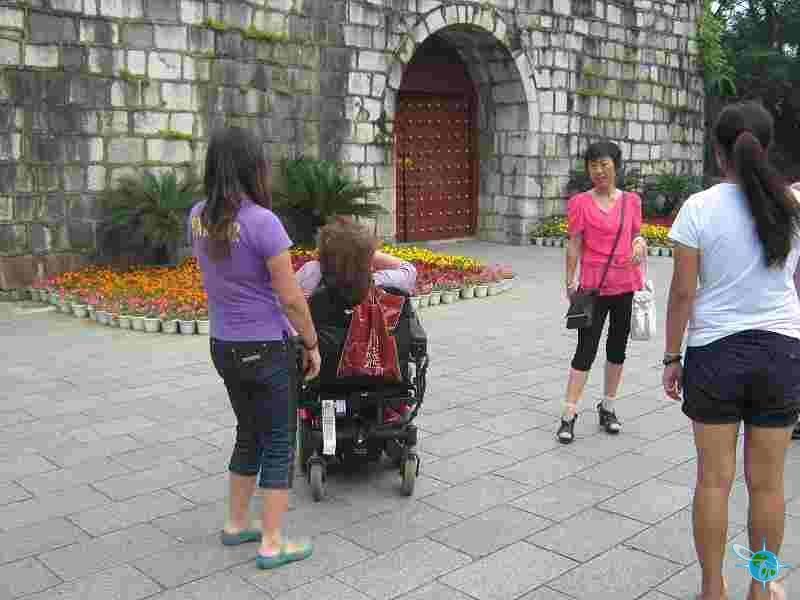
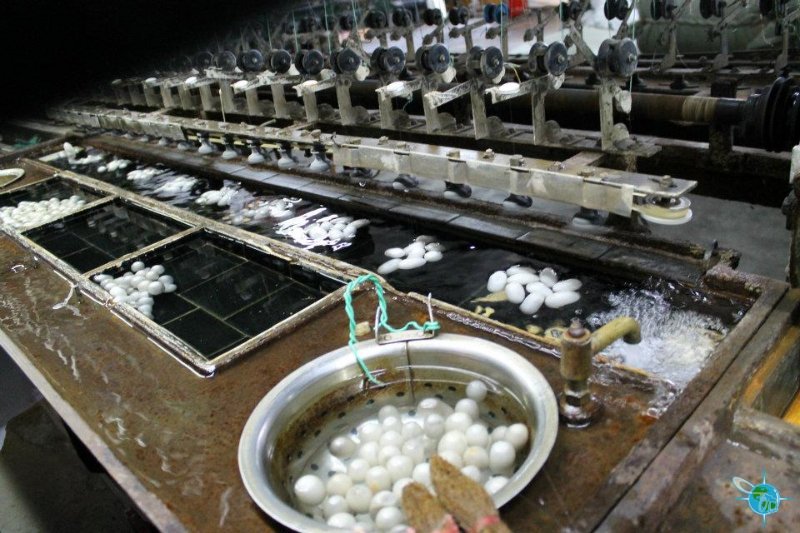
Day 3: Take a Guilin panoramic city tour. Visiting the Pearls Museum, followed by a visit to the Silk manufacturing factory, take a walk to the banyan tree near Lake Whangcheng and the gate of the old city wall. Driving over a whang-cheng bridge, viewing the rock elephant trunk, and heading to Yangshou. Over here is a unique experience of a trip to the nearby village by rickshaw. Then perhaps dinner in Yangshou, followed by the “Impression” show which combined traditional Chinese mythology with a modern setup.
Day 4: Flight to Xian, the capital city of China for hundreds of years before Beijing. Visit the excavations site of the graves of the Han Dynasty.
Day 5: Do a short visit to the ancient city wall. This wall is China’s oldest preserved to this day, and there is an excavation site where the famous terra cotta soldiers were found while visiting all three peers. Back in the city, stroll around the Muslim quarter market and practice bargaining skills. Dim Sam dinner and colorful Tang dance performances are a nice way to end the day.
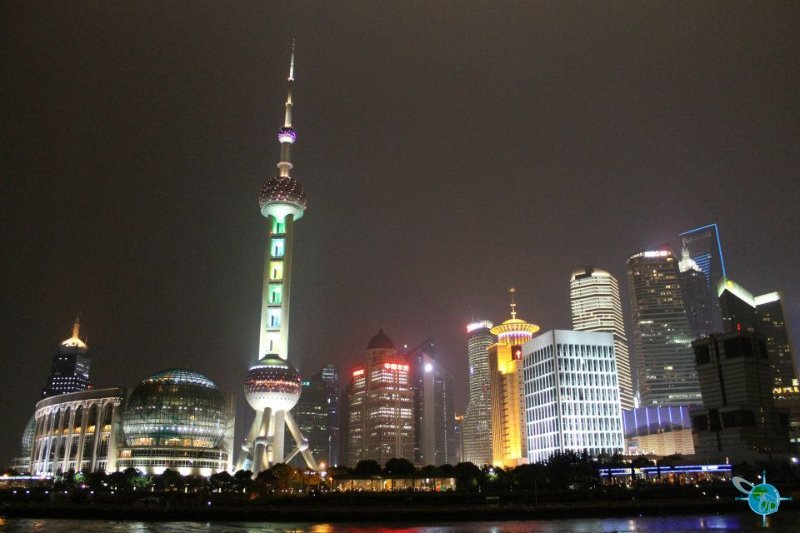
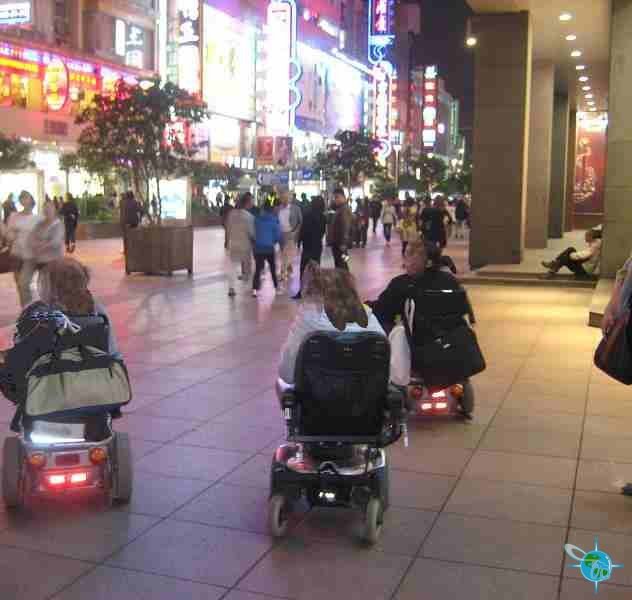
Day 6: Flight to Shanghai and viewing of architecture and lighting, including the bridge to the expo and colonial buildings. Have dinner and a tour of the famous pedestrian 119 Street.
Day 7: Visit the Municipal Museum. Take a walk during the day at 119 Street and to a Mongolian restaurant meal. Later view the city from the observatory on top of the Jin Mao. From there, go to an acrobatic performance. End by taking a cruise on the river, watching the city from this special angle of view.
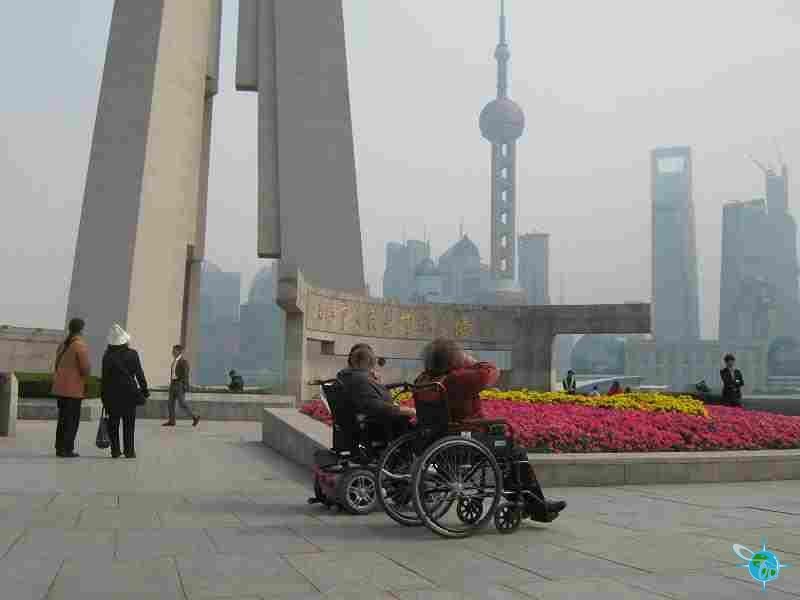
Day 8: Travel to the Jewish district and visit the museum and the local synagogue. Stroll along the Bund Promenade, looking across the city in the daylight compared with the previous day’s night and an interesting perspective of the TV tower and buildings Expo 2005. Take a short drive to the Old City and stroll through the alleys. Off the street, Nangin 580 is filled with markets.
Day 9: Heading towards the city of Suzhou. Here visits a local house of farmers raising crabs having a chance to travel along the road and watch the scenic village and fields. Then visit a classic Chinese garden which is by itself part of Chinese artwork. The local market is adjacent to the garden.
Day 10: Taking the bullet train from Shanghai to Beijing. The train travels at about 300 Km/Hr and it takes about 6 hours for the trip. A meal with a glimpse of one of Beijing’s famous markets, the “silk market,” where you can find everything at ridiculous prices. Do not be mistaken, all the products there are fake but it is very tempting! Then to the biggest TV screen in the world and spend the rest of the night at a nearby jazz club.
Transportation may be the biggest obstacle for people in wheelchairs in China. Suitable buses that are equipped with ramps are numerous, owned by the government, and scarcely available for private use. Ramps into buses or private vehicles are very steep so assistance is almost always needed. In Hong Kong, there are only two buses available equipped to serve up to five disabled persons with non-folding wheelchairs. Shanghai has only one such bus. In any case, these buses have limited space inside, not suitable for non-folding wheelchair chairs. In other words, you need to be able to transfer.
The Bullet Train is very wheelchair accessible with elevators and a level platform to get onto the train. Sometimes trains are not 100% accessible but you can make it work. Chinese regulations do not require safety belts on the cars and do not have any available–bring your own if needed.
Wheelchair accessible hotel rooms are rare and below many developed countries’ standards. Not every hotel in China is wheelchair accessible. The “problem” is that there are only two rooms for the disabled in each hotel, which is true almost all over China. These rooms are big enough to have two electrical wheelchairs and sometimes will have an additional bed. In most cases, the bed is a double bed (unlike a twin room) and one has to cope with that. The standard rooms at the hotel that we chose have a door that enables a wheelchair to go through but not necessarily to the bathroom.
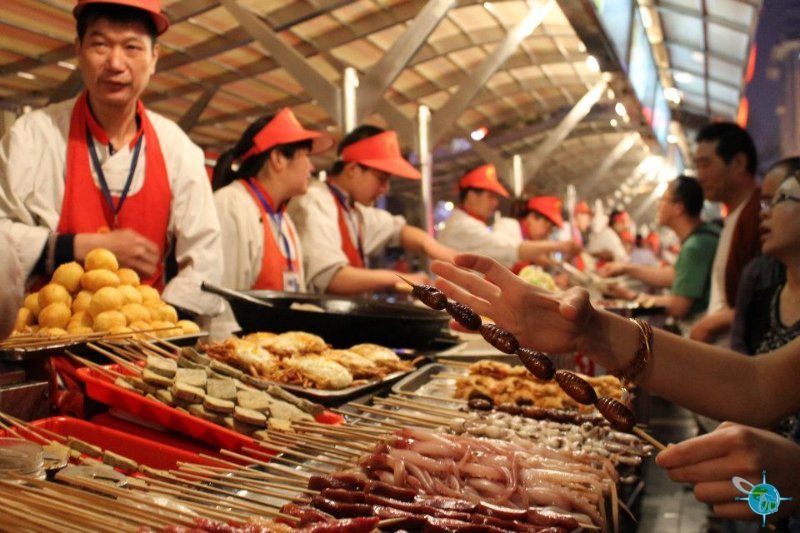
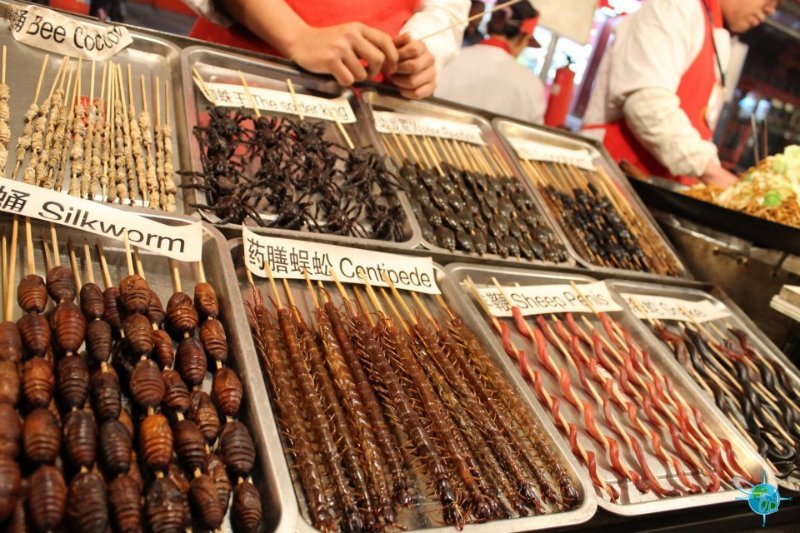
Hotels are the most accessible places to get food but this is certainly not always the case. Entering most restaurants is a challenge because of a traditional one-step barrier 15cm high. Authentic food in China is delicious and fresh but is very different from food in America so one needs to have an open pallet. High-quality restaurants will be selected If you tour with OFEK Travel Tour but in most places, travelers will be able to find McDonald’s and KFC, and sometimes Starbucks as well. If a picky eater then perhaps bring items like canned tuna, crackers, and instant noodles from home. Do not eat the food on the streets. The western stomach is usually not strong enough to digest it and with the poor availability of suitable toilets, it might become quite a disturbance.
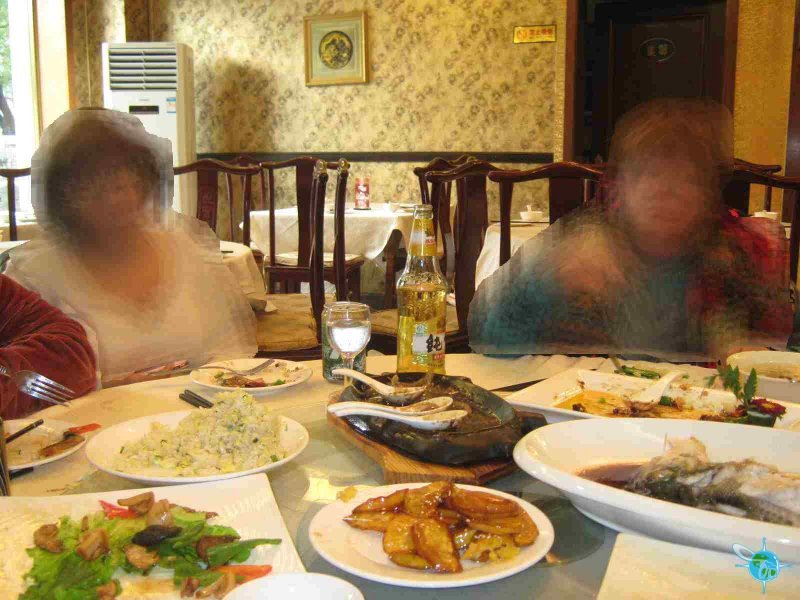
The menu is fixed and there are almost no flexibilities. Some places serve food buffet style with a variety of dishes and some traditional Chinese food like dim-Sum. At most restaurants quantities are smaller and the food is served on a rotating serving platter with eight dishes that people have to coordinate and share. Food includes soups, like corn soup or similar. Sticky white rice is unlimited. Seasoned Chicken and or pork slices are common along with steamed cabbage and some vegetables. Sometimes fish and shrimp are available. Don’t plan on seeing French fries but instead, lots and lots of noodles, found almost everywhere, including at convenience stores in which you prepare it yourself with hot water.
Hot water can be found almost anywhere. Soft drinks are available for purchase in restaurants and convenience markets. Do not drink tap water in China! You can get very cheap bottles of water everywhere. Those are not “mineral water” but are drinkable. In most cases, the driver has water bottles that you can buy at a very low price
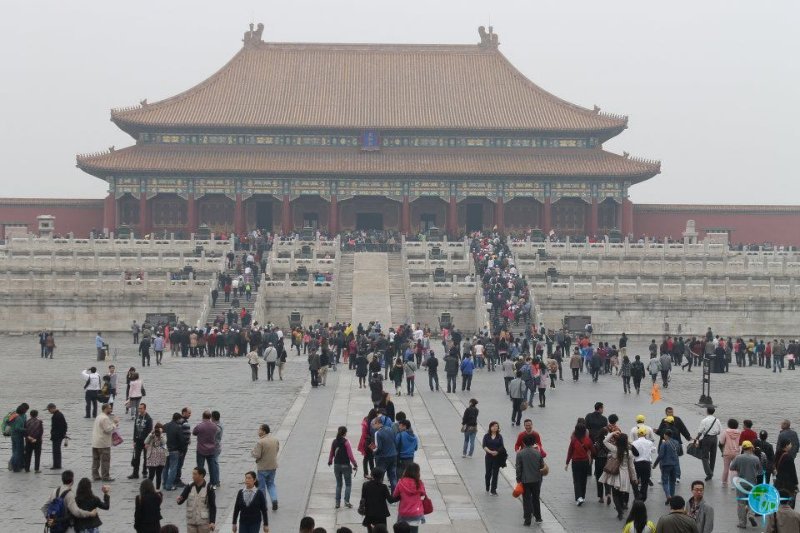
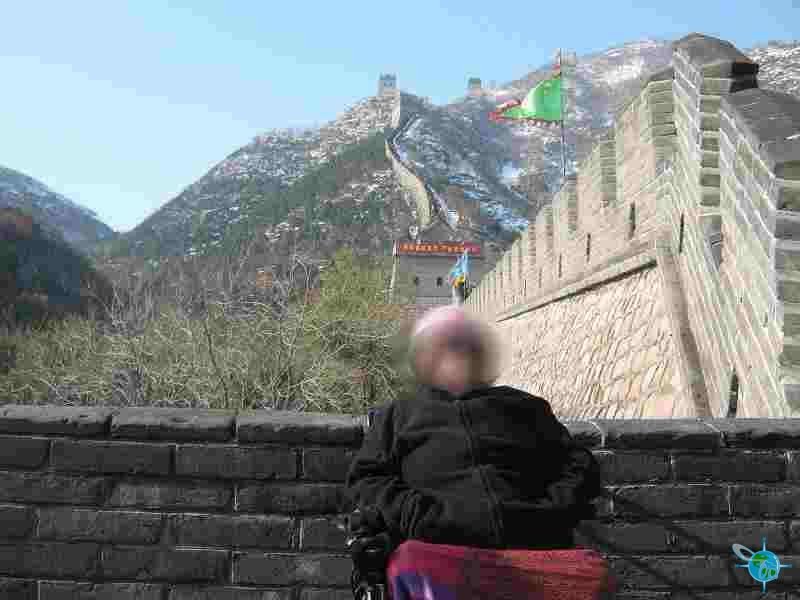
One of the biggest challenges to traveling to China in a wheelchair is the toilets. A few popular places, like the Great Wall, the sacred way, the Forbidden City, and more will have better luck. The Chinese are custom squatting over toilets so toilets with seats are rare. Even at restaurants most of the time seats are not accessible. Do not expect to find accessible restrooms in American chain fast food restaurants, like McDonald’s. There is no way around it, such obstacles make a wheelchair journey to China a challenge indeed, so it is recommended to bring dispensable cups to use in case of emergency.
About Insane Wayne Insane Wayne is a comedian and speaker based in California, known for…
Accessible cruising can open the door to a memorable and relaxing vacation, but the details…
For many wheelchair users visiting the United States, renting a wheelchair-accessible van can make the…
Travel has long been recognized as a powerful way to experience the world, learn about…
Disclosure: This article highlights products that may be helpful for wheelchair travelers. WheelchairTraveling.com received a…
In late 2024, the U.S. Department of Transportation (DOT) finalized a rule focused on wheelchair…
This website uses cookies.















View Comments
Hello I am a paraplegic travelling with my husband . I am in a small light manual wheel chair and can not walk however I am very independent and have travelled all over the world .China is are next destination .We are aware of the barriers and are up to the challenge . I can transfer to a seat and do not need help wheeling unless to steep . Would you have a tour available in June 2016 .thank you in advance . Sue
I hope to heAr from you about avalibility of a tour in June thank you