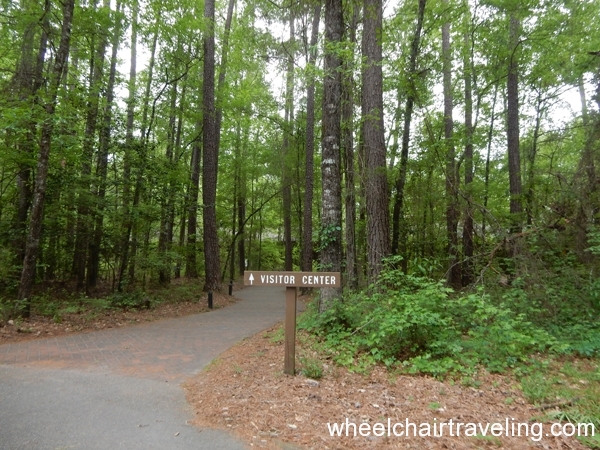
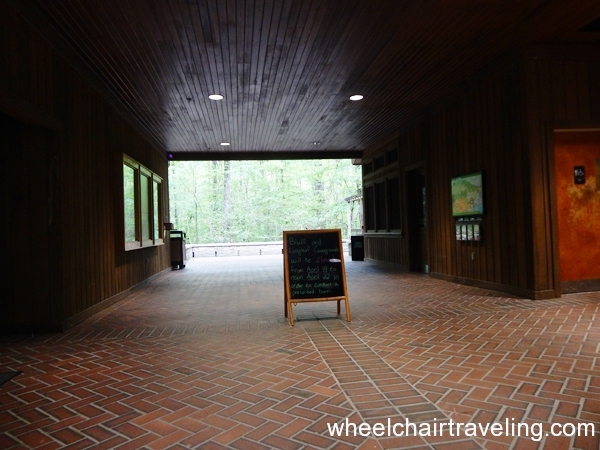
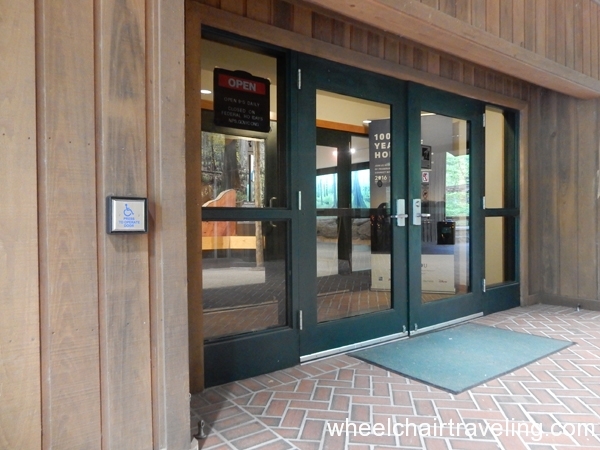
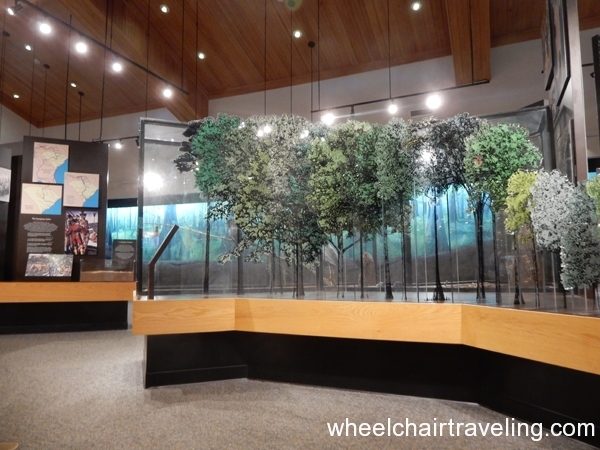
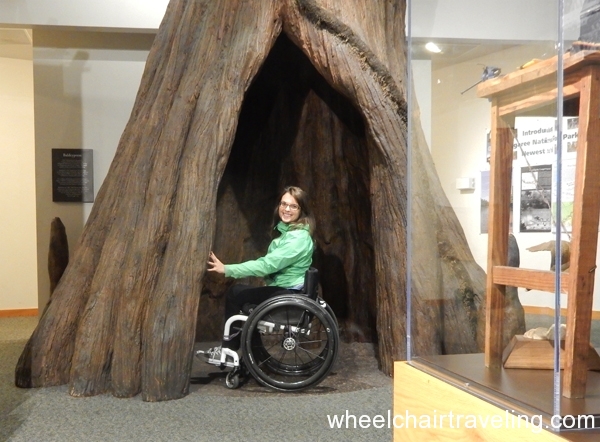
Congaree National Park is located at the southern end of South Carolina, just outside the state capitol of Columbia. It is a preserved wildlife area, receiving the most government protection from mankind’s footprints. Part of the park’s border aligns with the Congaree River and acts as a floodplain before reaching the ocean. Wintertime brings the most severe flooding, but a portion of the park remains accessible to visitors.
The park is known to be swampland, and it is, with many plants and trees that have adapted to this environment and are thriving, but hardwood trees are also found in this forest. The forest at Congaree National Park is petty unique. This type of forest used to cover the entire Southeast United States and now there are only bits and pieces of it. The presence of the river, creeks, and oxbow lakes create a happy environment for aquatic wildlife like fish, amphibians, and reptiles. The broad-head skink was often spotted; birds were also commonly heard throughout the park and occasionally seen, including the pileated woodpecker.
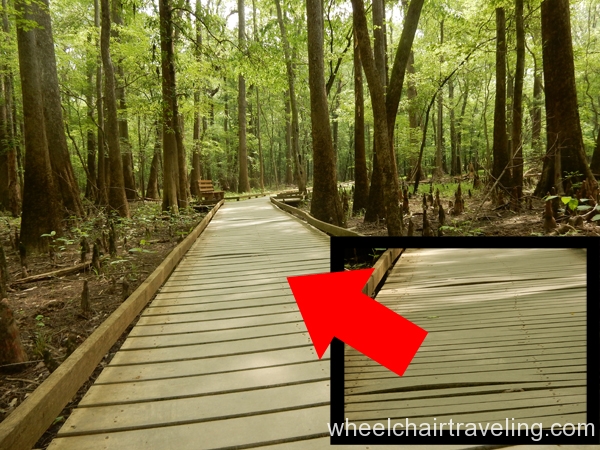
What are those objects coming out of the ground? Tree knees! When strolling around the boardwalk trail you will see what looks to be a root of a tree sticking out of the water, which is called Cypress Knees. Scientists have been coming from around the world to study these specific structures and are baffled by their purpose. They cannot figure it out! They are not tree roots designed to provide oxygen or other nutrients to the tree. These knees are all over the forest with the largest one in the park being 10 feet tall. When I was there, I told the ranger that they looked like the homes of fairies, gnomes, or elves. He laughed and explained that if I were to come out at night then I would see the fungi glow—he wasn’t kidding. Forests are magical.
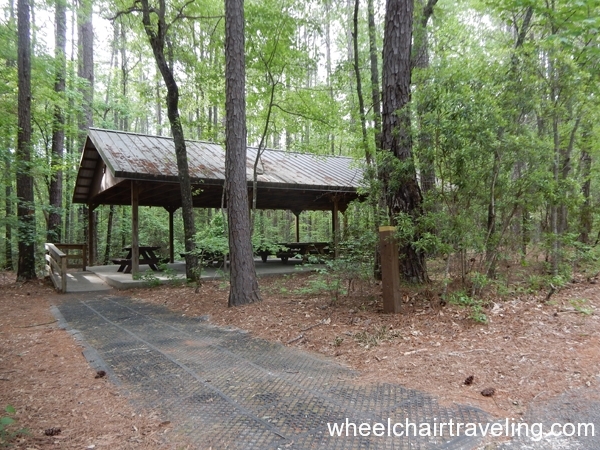
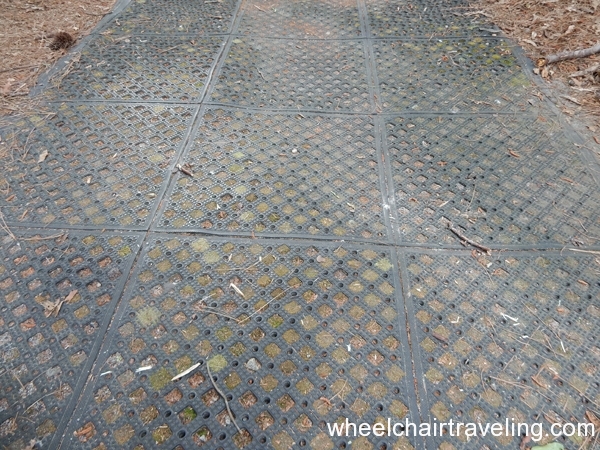
Several other trails are in the park, some directly off the boardwalk, with no access modifications but may still be possible for some hikers. The ground can be very firm, depending on the time of year, but the biggest barrier is the tree roots and water barges; sometimes you can go around but sometimes not so how far you can go is up to the hiker. Be a smart hiker, know your limits. The dog trail can only be accessed by passing a few stairs.
Canoes and kayaks are most commonly launched at South Cedar. South Cedar Creek is the most accessible area to fish from. Fishing is permitted anywhere with a valid South Carolina license, except the Weston Lake Overlook or tail bridges.
Travel has long been recognized as a powerful way to experience the world, learn about…
Disclosure: This article highlights products that may be helpful for wheelchair travelers. WheelchairTraveling.com received a…
In late 2024, the U.S. Department of Transportation (DOT) finalized a rule focused on wheelchair…
Ancient history belongs to everyone. And while many world-famous ruins were built long before accessibility…
Japan offers a wide range of accessible transport services for wheelchair users, with several companies…
Traveling in Japan as a wheelchair user can be incredible, but accessible transportation often requires…
This website uses cookies.