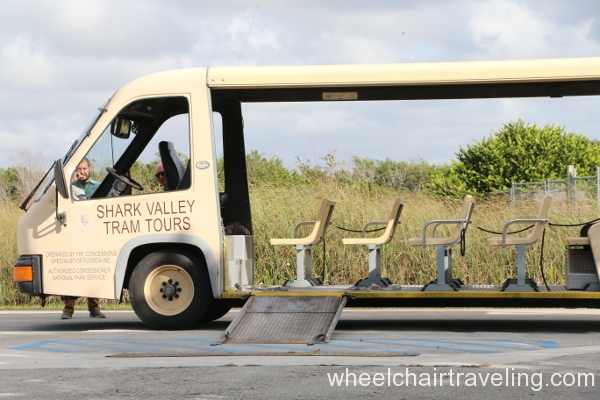
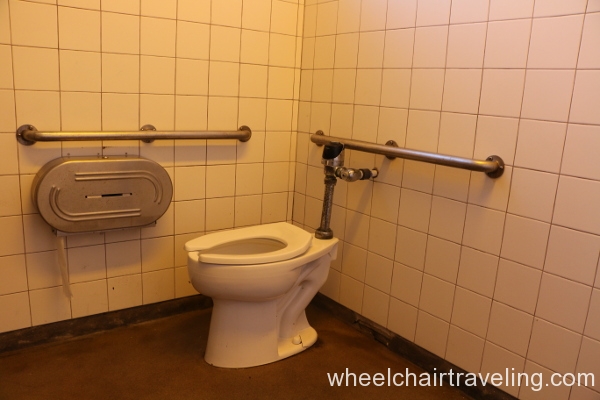
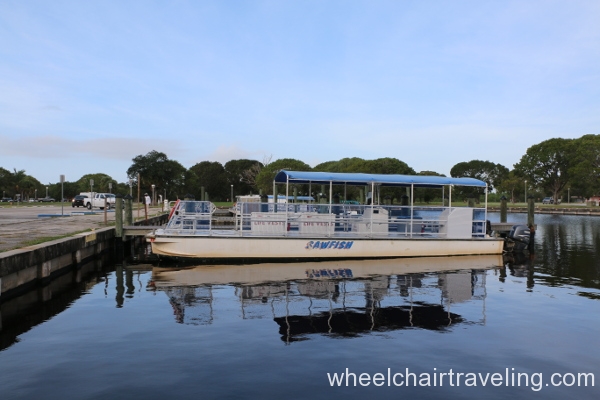
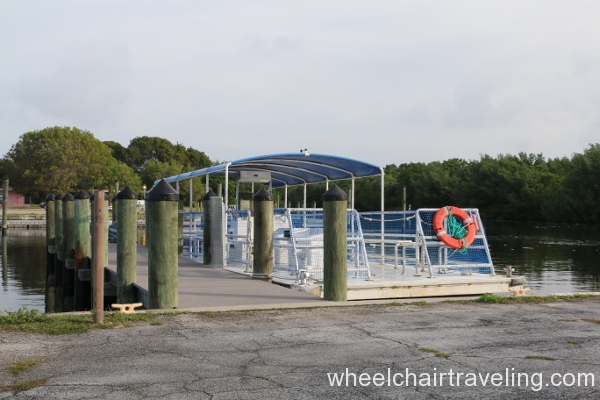
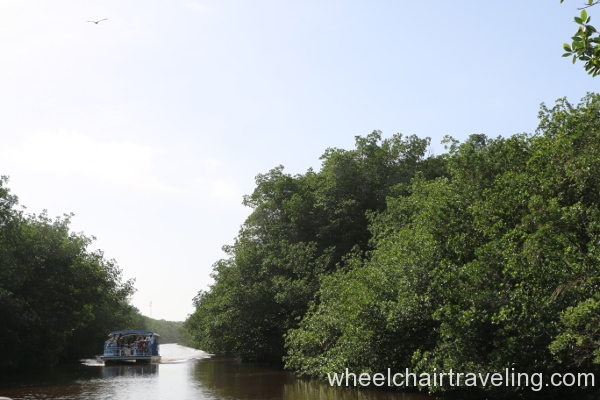
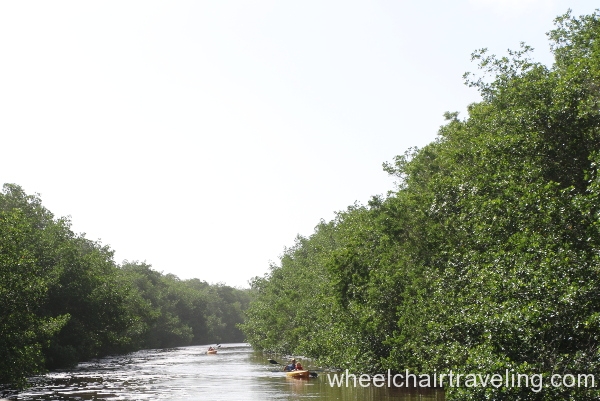
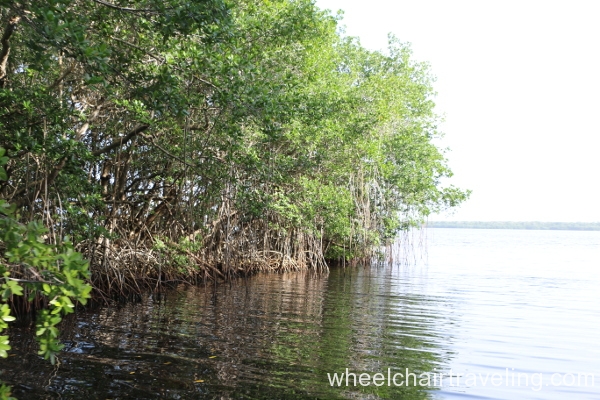
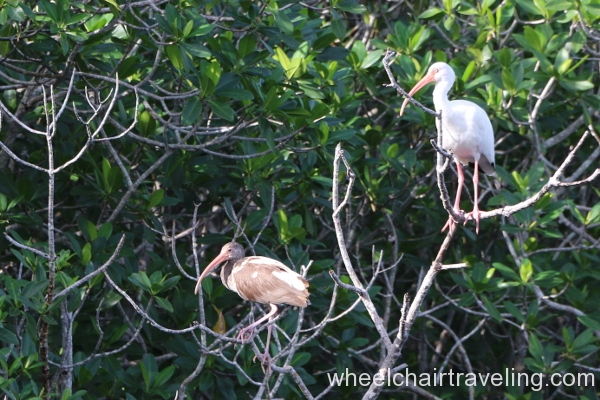
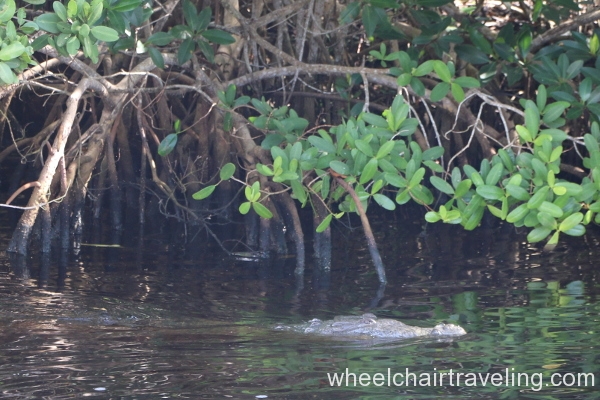
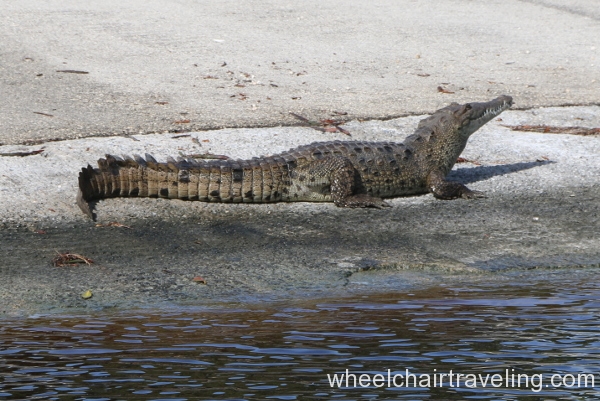
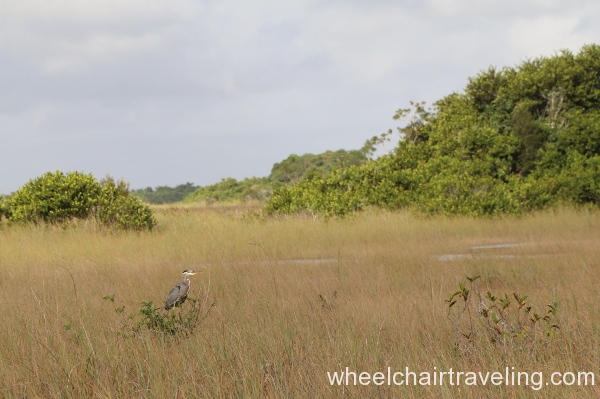
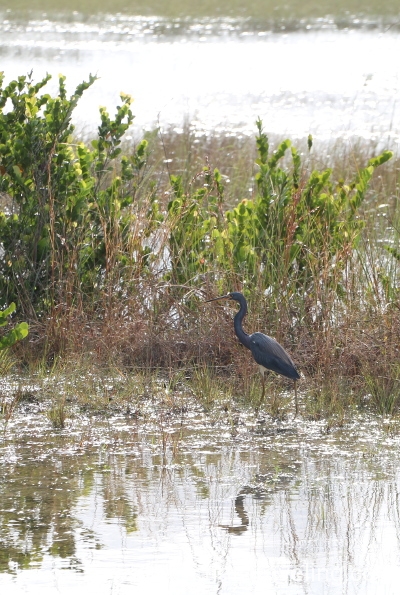
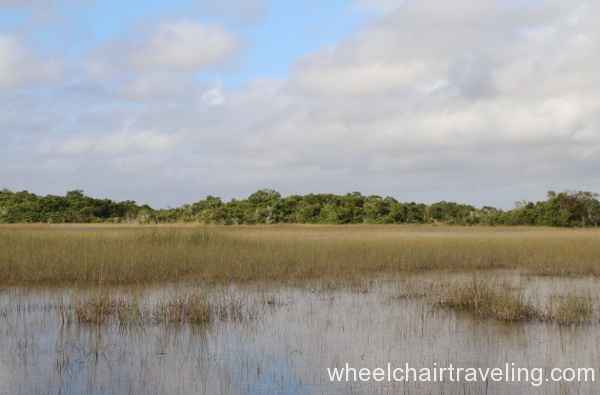
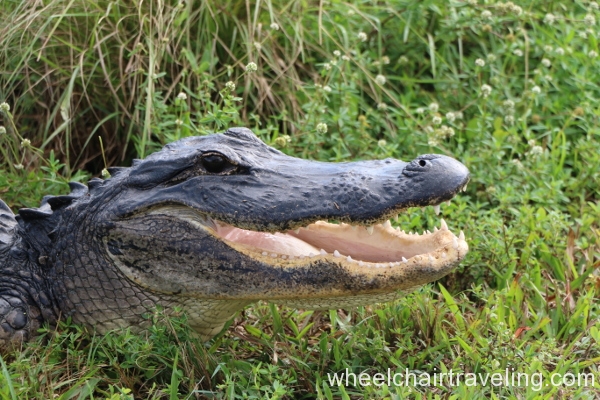
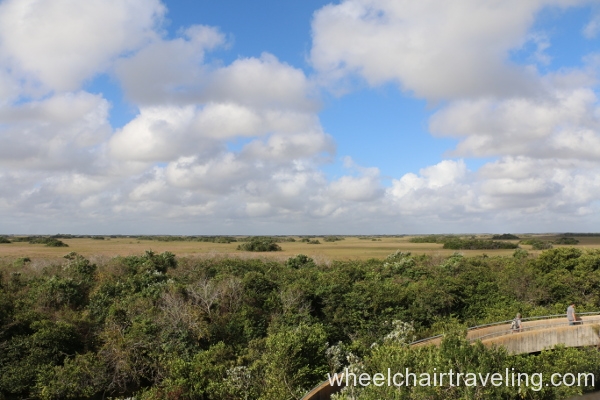
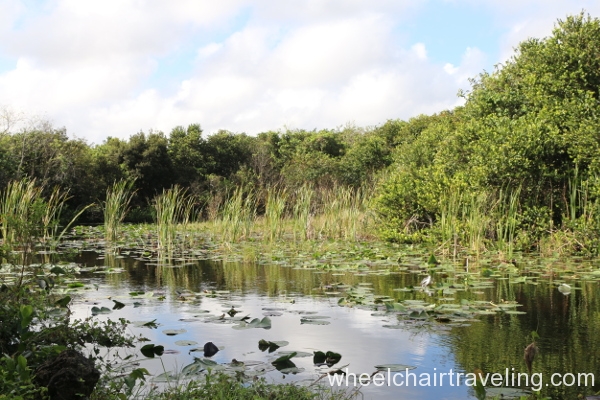
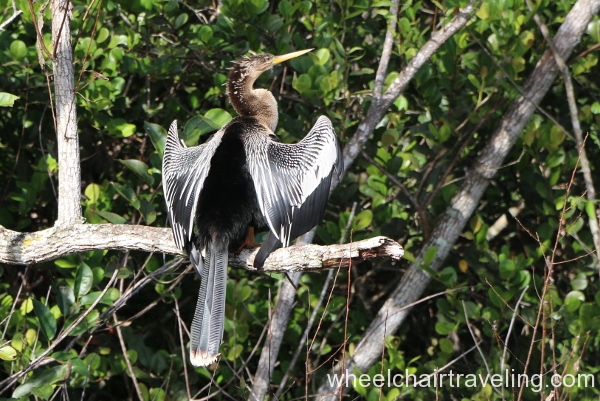
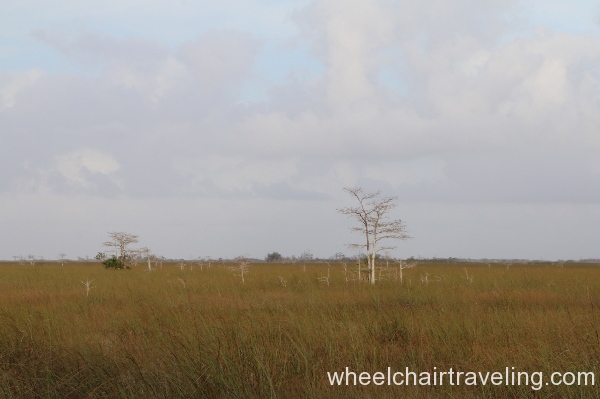
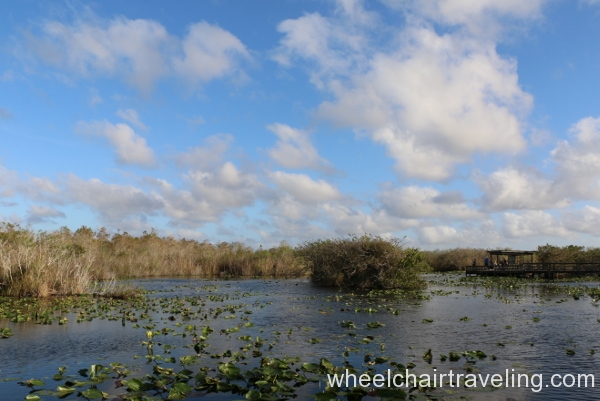
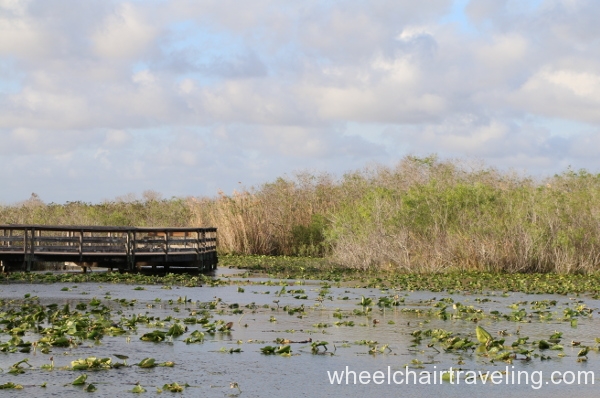
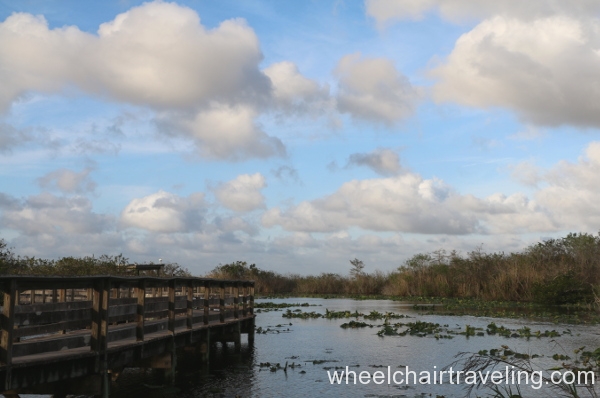
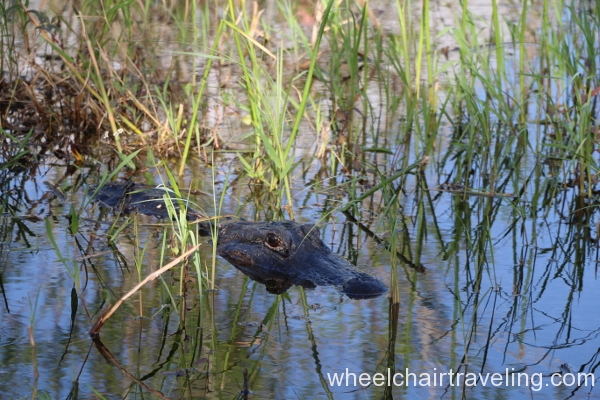
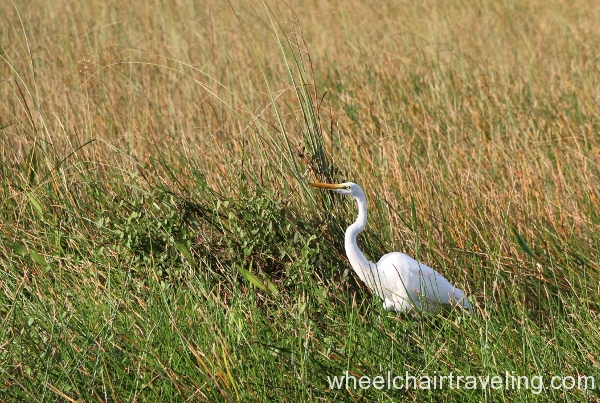
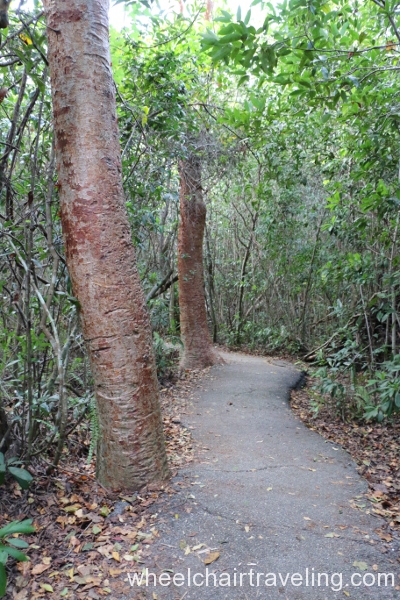
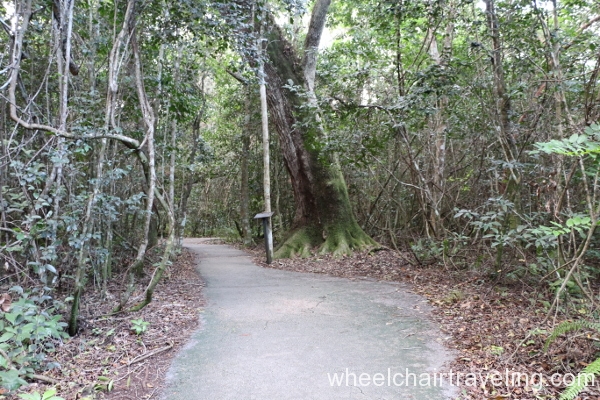
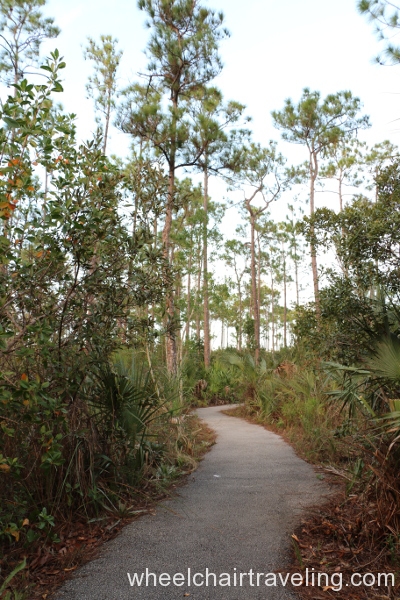
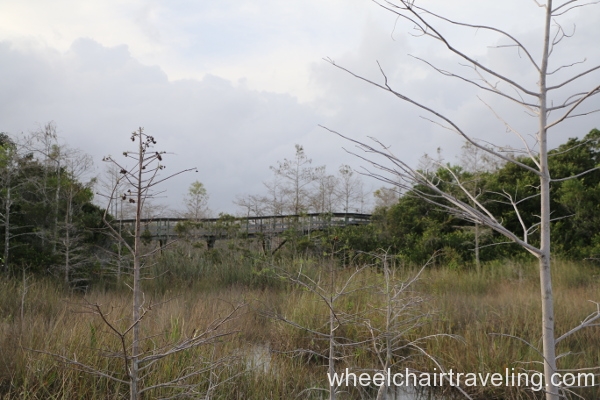
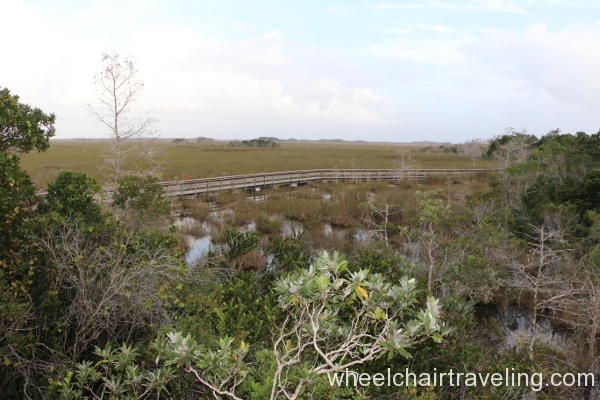
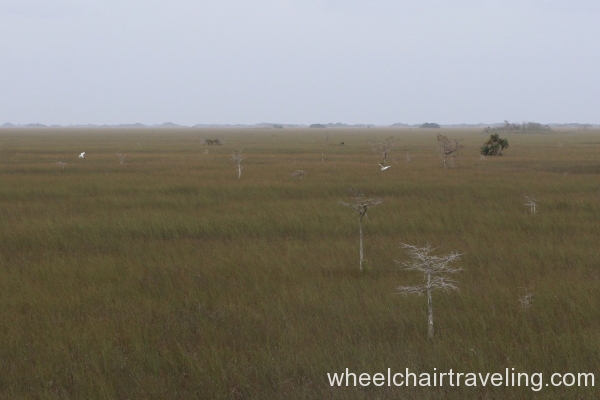
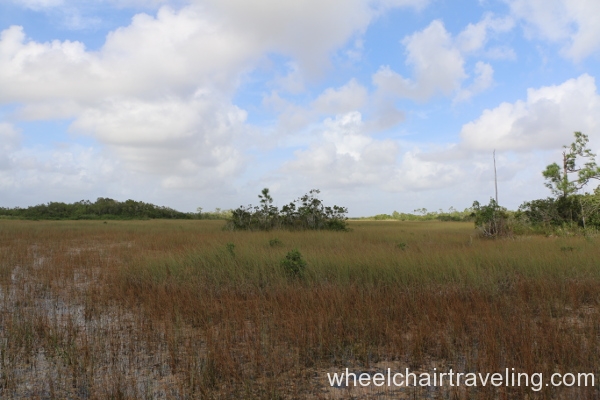
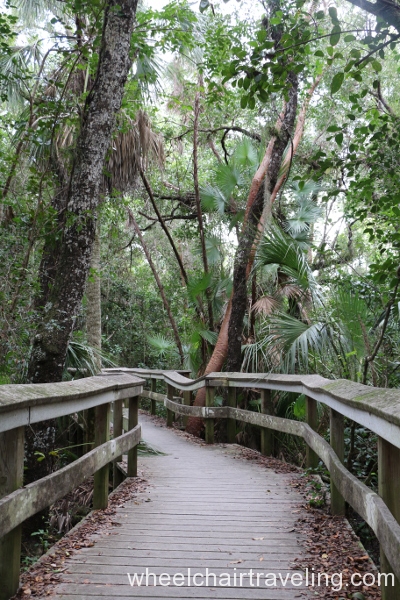
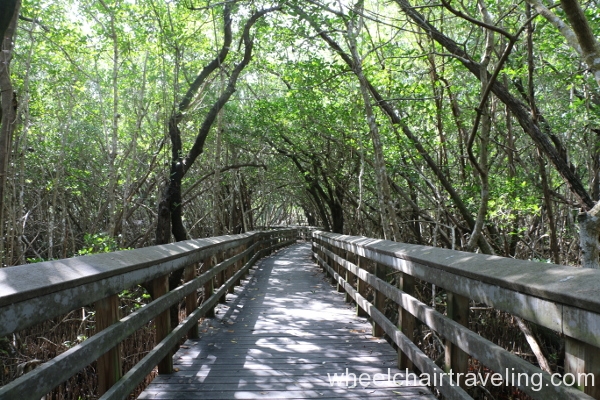
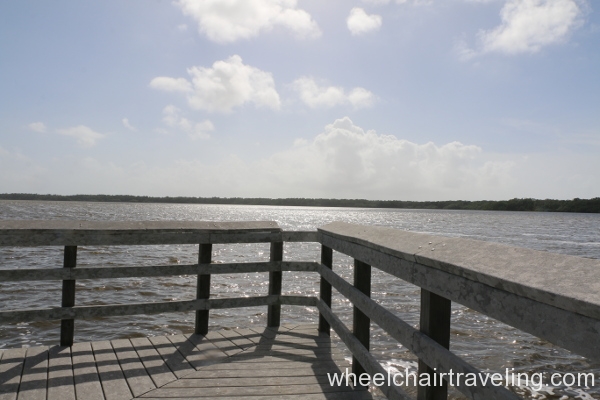
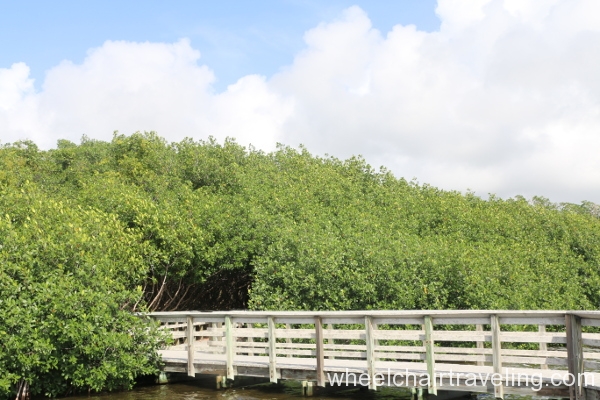
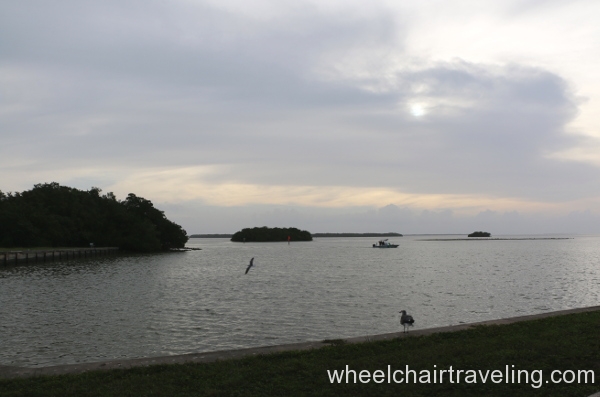
Everglades National Park in Florida is the third largest national park in the U.S., protecting 1.5 million acres of unique terrain on the southern tip of the state of Florida. Diverse ecosystems lie within its borders, such as barely-flowing freshwater sloughs lush with sawgrass, loamy pine woods, dense and shady hardwood hammocks, majestic cypress domes, tenacious coastal mangrove forests, and vast saltwater bays. These environments are ideal habitats for wildlife, including numerous threatened and endangered species like the West Indian Manatee, Florida Panther, Wood Stork, Loggerhead Turtle, American Crocodile, and American Alligator.
The park is open 365 days a year. Climate in the Everglades is divided into two distinct seasons. The “wet” season lasts from May to November when conditions are hot and humid, with an average high temperature of 90 degrees and humidity that can reach 90% or more. Afternoons thunderstorms occur almost daily bringing brief but heavy downpours, and tropical storms and hurricanes are a possibility. As water levels rise, wildlife viewing becomes more difficult; migrating birds leave the area and animals venture further from water sources. Mosquitoes and biting flies are abundant and bothersome. Wet season is the least popular time of year to visit so the park is less crowded, but some facilities are closed and programs and tours are limited. The “dry” season lasts from December through April when rain is less frequent and average temperatures are more pleasant (high 77, low 53). This is the best time to visit because receding water levels force animals to congregate at water sources where they are easy to view. Migrating birds arrive from the north, and biting insects are much less troublesome (but be prepared with repellent any time of year). Because conditions are more favorable in winter, crowds can be expected at the most popular destinations. All facilities should be open, and there is a wide range of tours and activities to choose from. The park service provides a schedule on the
Everglades website and advance reservations are strongly encouraged for tours, camping and lodging. To avoid peak times, try to visit on a weekday and start as early as possible in the day. We found that visiting a few days before Christmas rather than the week after, and reserving the first tour of the day on a weekday was a successful strategy. When booking tours, be sure to inform operators that you use a wheelchair and express any special needs in advance. Pay close attention to reservation and cancellation policies.
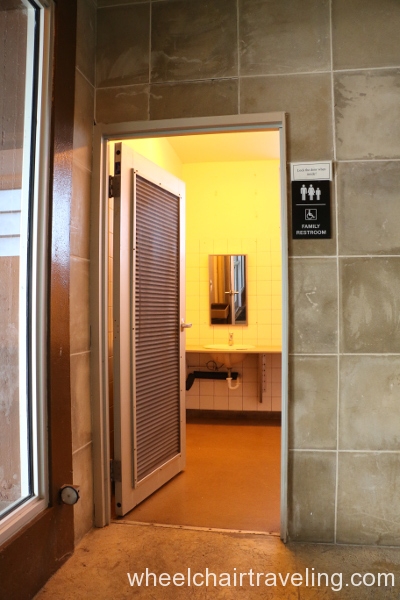
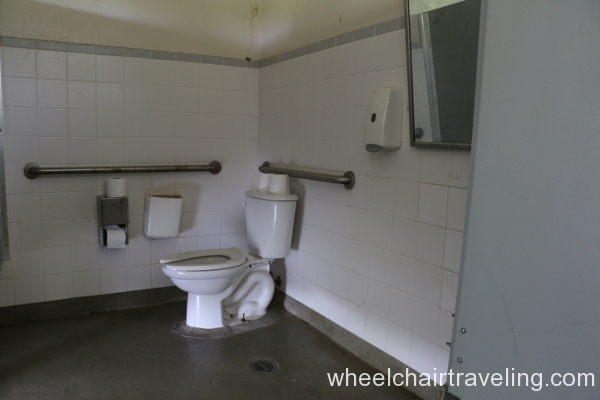
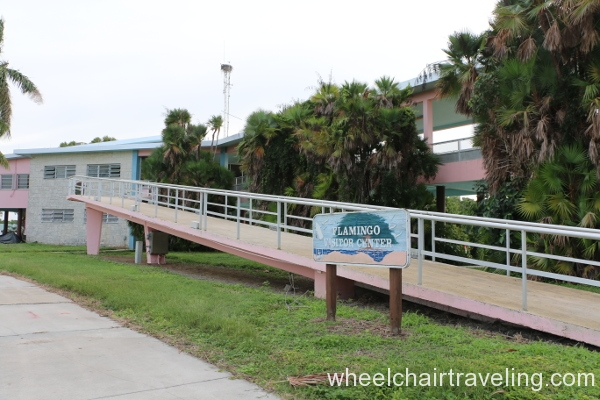
Everglades National Park is located between Miami on the east side and Naples on the west side. Miami International Airport (MIA) is the closest commercial airport, and it is conveniently located near Tamiami Trail (US Highway 41), the Ronald Reagan Turnpike, and US Highway 1. Miami and Naples are both large enough cities that a wide variety of hotels and restaurants are available. We chose to stay at Hampton Inn in Homestead, and found it to be a perfect departure point for the Everglades as well as Biscayne National Park and the Florida Keys. Inside the park, campgrounds at Long Pine Key and Flamingo (both on the east side of the park) have accessible campsites with accessible restrooms.
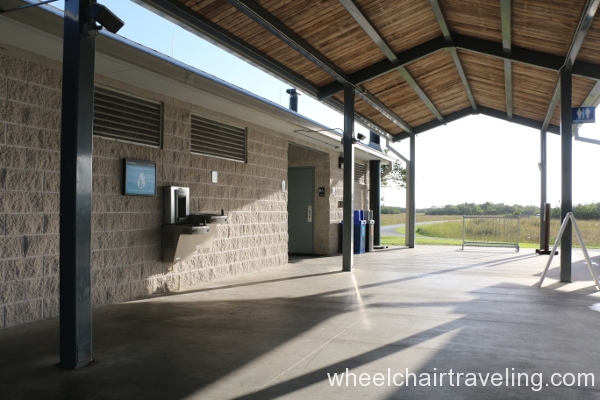
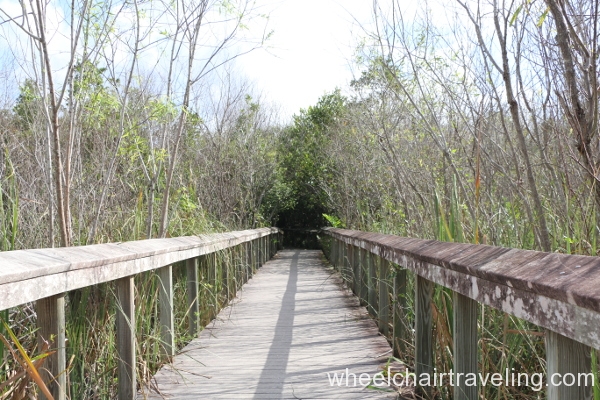
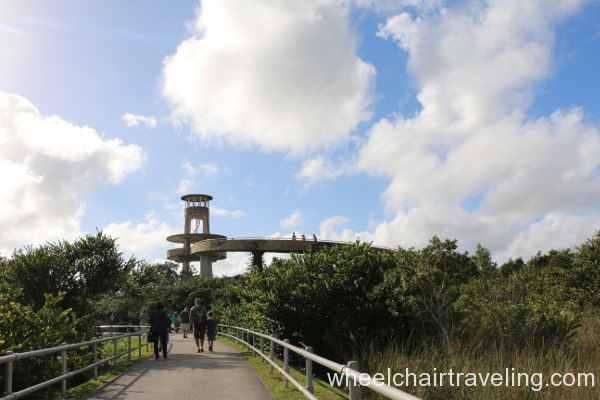
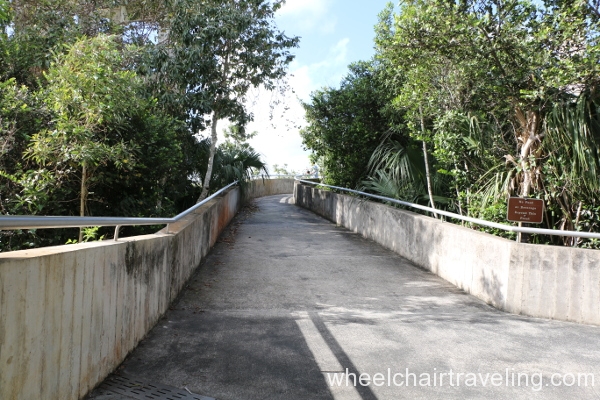
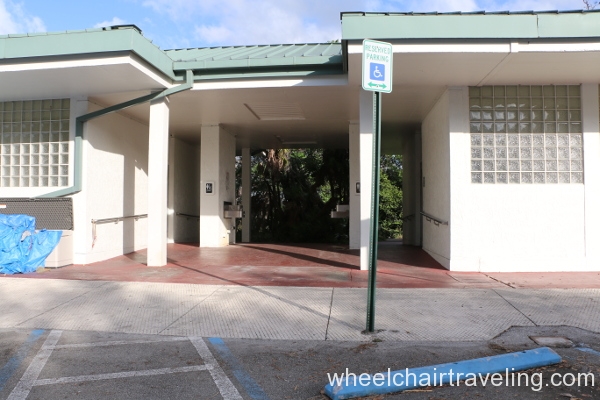
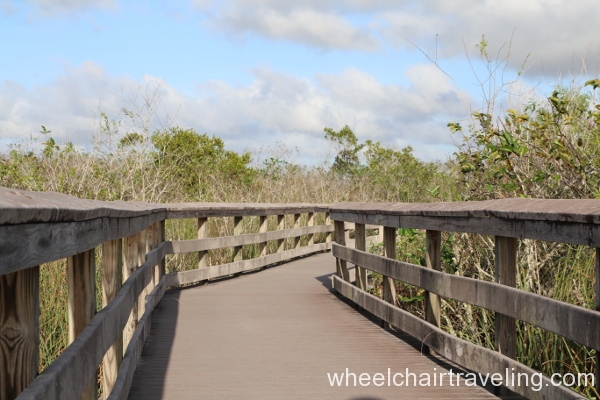
There are three major areas with easy access to Everglades National Park: The main park road from Florida City to Flamingo on the east side, Shark Valley on the north side, and Everglades City on the west side. Because the park is so large, these access points are many miles apart so consult a map and plan accordingly. For example, we spent two days exploring the east side of the park and another day visiting Shark Valley and Big Cypress Preserve on Tamiami Trail. Accessibility in the park is generally very good; roads are paved and most parking areas are paved and/or gravel and have designated accessible parking. Elevation in the park is very low, so the terrain is predominantly flat. Be prepared for sun exposure.
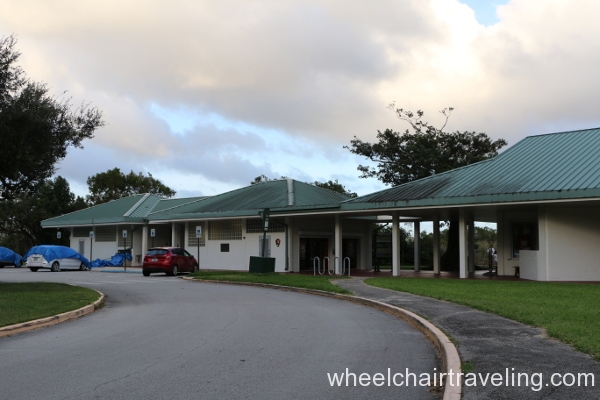
The main park entrance is State Rt. 9336 on the east side of the park. From US Highway 1 at Florida City, take Palm Drive (Rt. 9336) west and follow signs. This road enters the park near its headquarters, the Ernest F. Coe Visitor Center, which offers exhibits, information, store, and restrooms (8am-5pm dry season, 9am-5pm wet). An admission fee is collected per car at the entrance (Open 365 days/24 hours, NPS access passes accepted). The following points of interest are located on the scenic 40-mile park road between the entrance and its southern terminus at Flamingo (listed here in geographic order from north to south).
The Gulf Coast Visitor Center is located on State Route 29 at Everglades City, 5 miles south of Tamiami Trail (US Highway 41). This is the access point for exploring the “Ten Thousand Islands”, a network of waterways through mangrove islands that are accessible only by boat. No admission is collected at this location. The visitor center is open 8am-4:30 during dry season and 9am-4:30 in wet season. It offers exhibits, information, an educational film, and restrooms (accessible by elevator). Canoe and kayak rentals and narrated boat tours are available (fee, reservations strongly suggested, 239-695-2591). Boat tours are ADA compliant. Services such as lodging, camping, dining, and gasoline are available nearby in Everglades City and Chokolosee.
About Insane Wayne Insane Wayne is a comedian and speaker based in California, known for…
Accessible cruising can open the door to a memorable and relaxing vacation, but the details…
For many wheelchair users visiting the United States, renting a wheelchair-accessible van can make the…
Travel has long been recognized as a powerful way to experience the world, learn about…
Disclosure: This article highlights products that may be helpful for wheelchair travelers. WheelchairTraveling.com received a…
In late 2024, the U.S. Department of Transportation (DOT) finalized a rule focused on wheelchair…
This website uses cookies.