In the 7th century, the arrival of Islam with the Arab conquests transformed Egypt into a major cultural and spiritual heart of the Muslim world. Cairo’s Al-Azhar Mosque, founded in the 10th century, is a source of immense pride, with its teaching institution recognized as the oldest university in existence.
Today, Egypt is home to approximately 81 million people, the vast majority of whom are Muslim. The landscape is marked by the minarets of mosques, where the daily call to prayer echoes across cityscapes. On Fridays, mosques overflow with worshippers, spilling onto sidewalks in an expression of faith. However, Egypt’s religious landscape is not uniform; a significant Christian minority, known as Copts, continue to practice their faith.
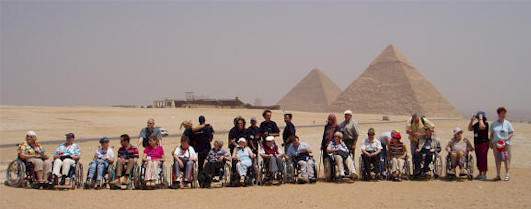
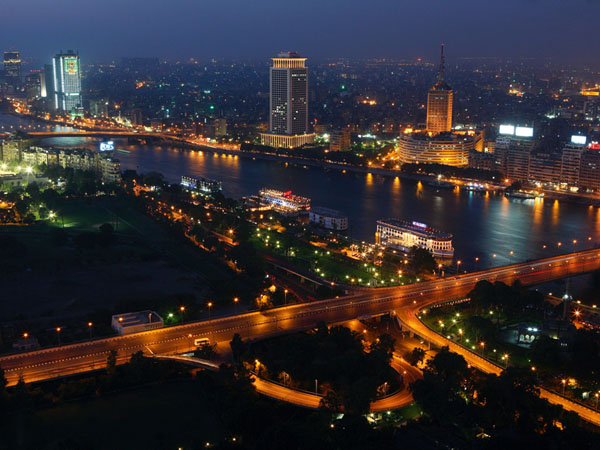
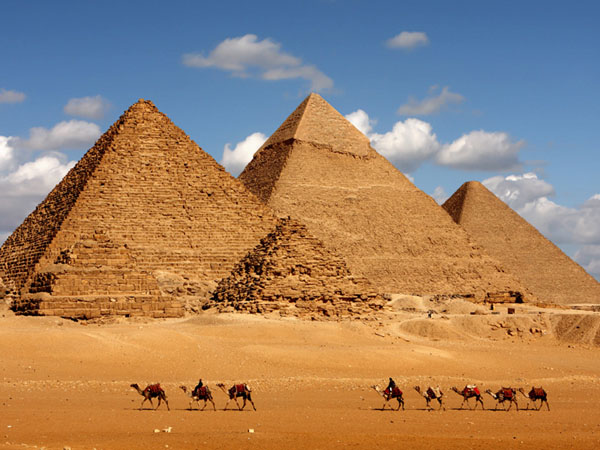
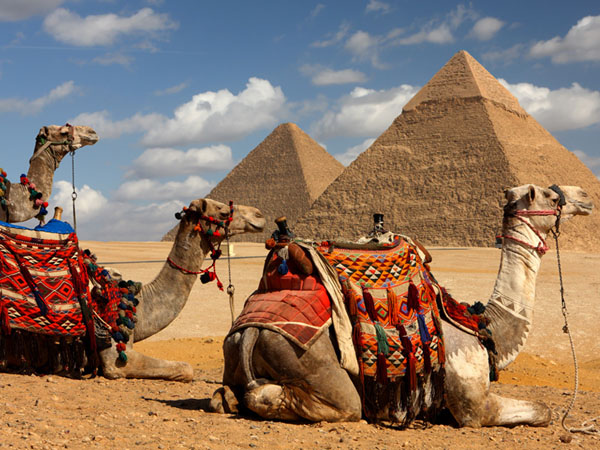
Cairo, Egypt’s capital and the largest city in the Arab world, has long been the region’s political and cultural hub. This city is a “Land of Contrasts,” offering visitors a blend of ancient wonders and modern vibrancy. From the endless expanse of desert to the bustling metropolis, Cairo’s duality has attracted travelers for millennia. The Great Sphinx and Pyramids of Giza stand as timeless testaments to its rich past, while the city itself pulses with contemporary life.
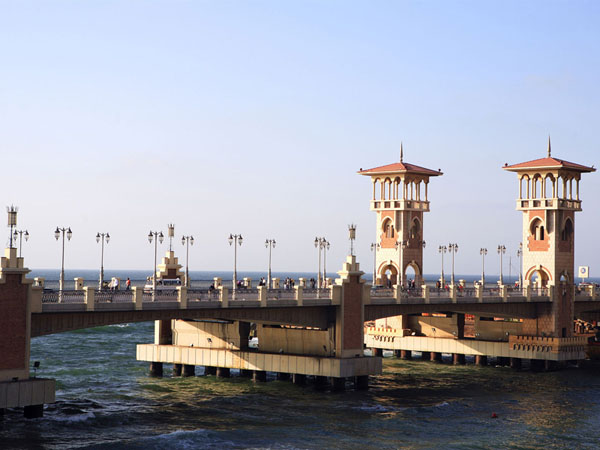
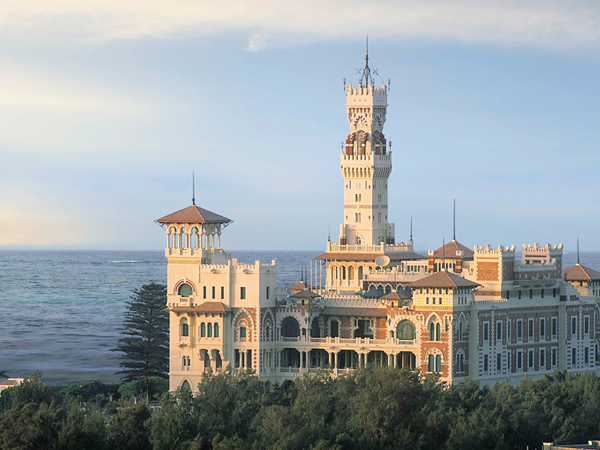
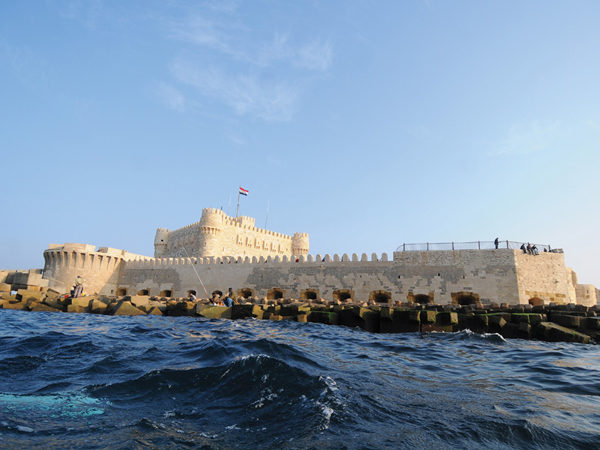
Alexandria, Egypt’s second-largest city, is famed for its moderate climate, sandy beaches, and rich cultural history. Founded by Alexander the Great in 331 BC, the city was once a vibrant center of Hellenistic culture and remains an important port city today. Modern Alexandria is undergoing revitalization, striving to regain its historical prominence.
Dining in Egypt varies from casual street food to luxurious meals. Visitors may experience traditional Egyptian hospitality, which includes late-night dinners and an array of local dishes like Ta’meya, beans, and shawarma. While street food is generally safe, be cautious with new cuisines to avoid gastrointestinal upsets.
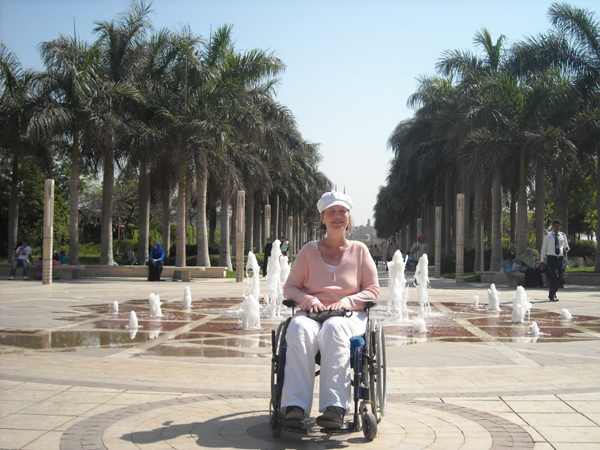
Egypt’s government has made efforts to improve accessibility for travelers with special needs. For example, Cairo Airport features separate counters for the elderly and disabled. While there are challenges, particularly with infrastructure, Egyptian hospitality and resourcefulness make the country increasingly accessible.
By law, 5% of hotel rooms in Egypt must be accessible. However, availability can vary. For consistent service, five-star hotels like Le Meridien Pyramids, Radisson Blu, and Mercure Cairo le Sphinx Hotel are recommended for wheelchair accommodations.
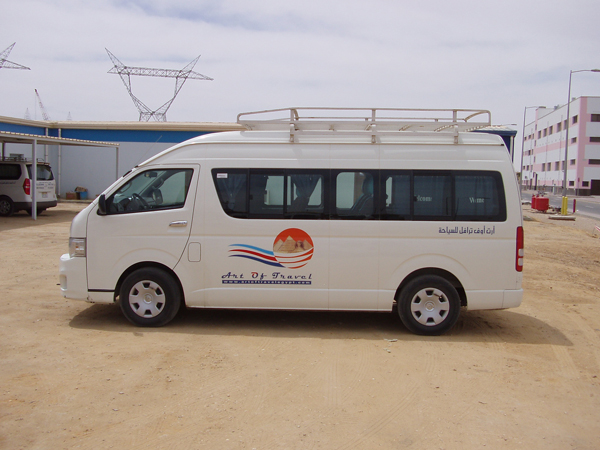
Wheelchair-accessible restrooms are uncommon but can be found in luxury hotels. The Art of Travel Egypt is knowledgeable about integrating sightseeing with accessible facilities.
About Insane Wayne Insane Wayne is a comedian and speaker based in California, known for…
Accessible cruising can open the door to a memorable and relaxing vacation, but the details…
For many wheelchair users visiting the United States, renting a wheelchair-accessible van can make the…
Travel has long been recognized as a powerful way to experience the world, learn about…
Disclosure: This article highlights products that may be helpful for wheelchair travelers. WheelchairTraveling.com received a…
In late 2024, the U.S. Department of Transportation (DOT) finalized a rule focused on wheelchair…
This website uses cookies.





View Comments
Brilliant article.
Have you done a article on hotels and attractions that are wheelchair accessible in Luxor? That would be a huge help for me.