Savannah, Georgia, is renowned for its historic charm, Southern hospitality, and beautiful landscapes. The city also offers a variety of wheelchair-accessible attractions, ensuring all visitors can enjoy its history, culture, and natural beauty. Below is a detailed guide to Savannah’s most accessible experiences, with information on parking, restrooms, pathways, and any potential barriers.
Historic & Cultural Attractions
1. Forsyth Park: Spanning 30 acres in the Historic District, Forsyth Park is a must-visit destination featuring a stunning fountain, open green spaces, and walking paths.
- Pathways: Paved sidewalks throughout, making it easy to navigate.
- Parking: Accessible parking is available along the park’s perimeter.
- Restrooms: Accessible restrooms are located near the visitor center.
- Additional Notes: The stage area has a ramp for access.
2. Savannah History Museum: Located in the old Central of Georgia Railway station, this museum tells the story of Savannah from its founding to the present day.
- Pathways: The museum is fully wheelchair accessible with smooth flooring.
- Parking: Accessible parking spaces are available in the Visitor Center lot.
- Restrooms: Accessible restrooms are on-site.
3. Telfair Museums (Telfair Academy & Jepson Center): These two historic museums house an impressive collection of art and exhibitions.
- Pathways: Both locations have ramps, elevators, and smooth flooring.
- Parking: Accessible parking available nearby.
- Restrooms: Fully accessible restrooms at both locations.
4. American Prohibition Museum: Located in City Market, this interactive museum offers a fascinating look at Prohibition-era history, including a wheelchair-accessible speakeasy experience.
- Pathways: Smooth flooring, wide spaces, and an elevator for full access.
- Parking: Accessible parking is available in nearby City Market garages.
- Restrooms: Accessible restrooms inside.
Scenic & Outdoor Attractions
Explore the top 8 outdoor attractions in and around Savannah, GA.
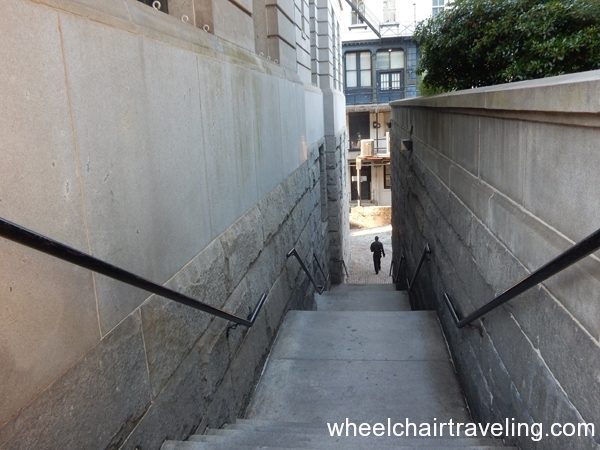
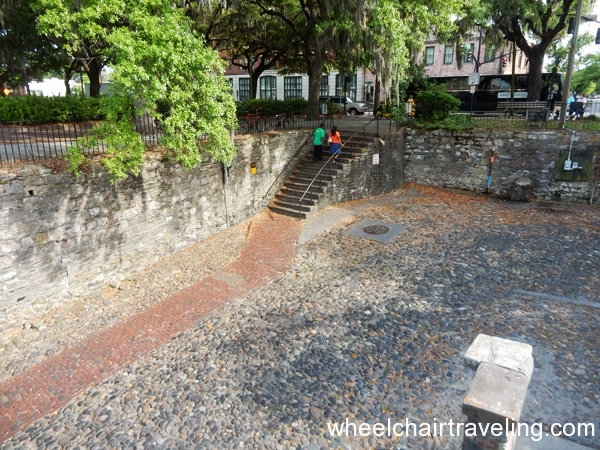
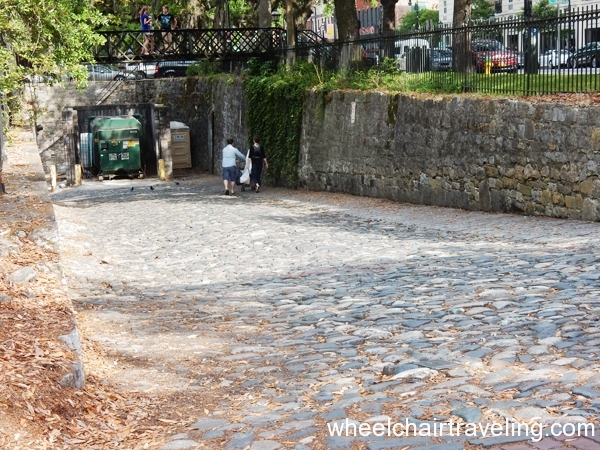
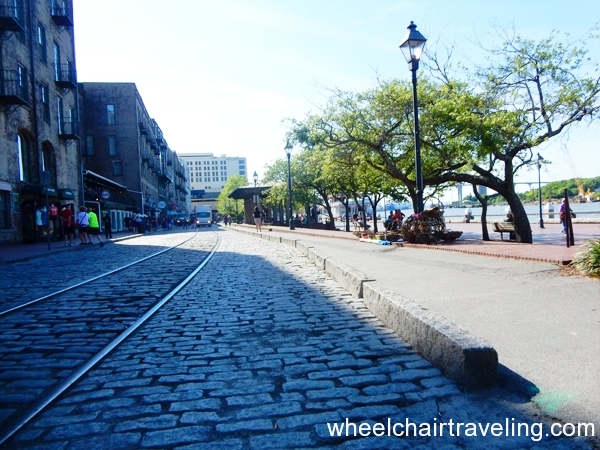
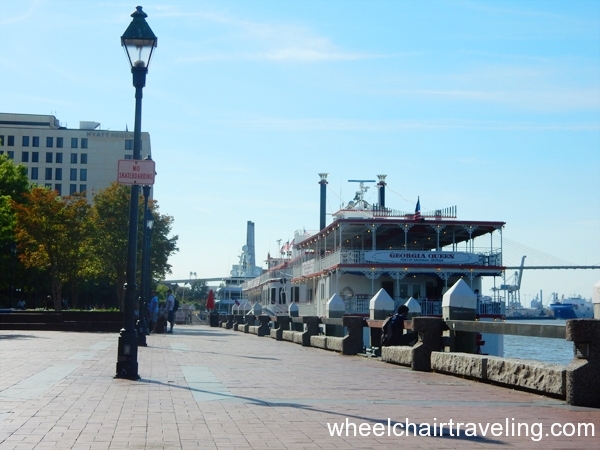
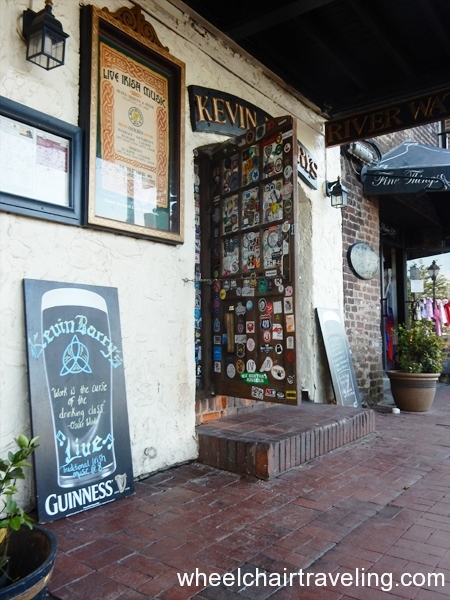
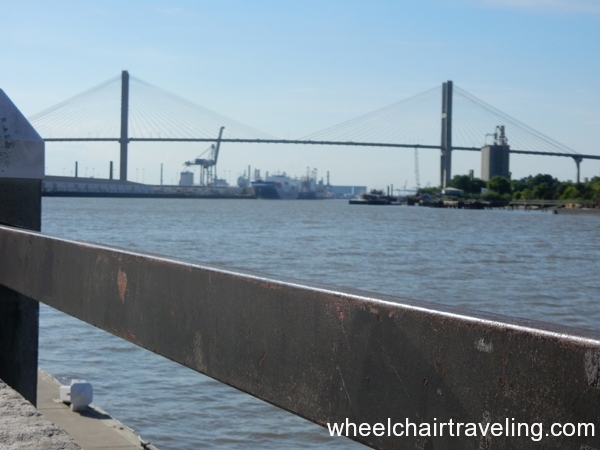
1. River Street: Lined with shops and restaurants, River Street offers picturesque views along the Savannah River.
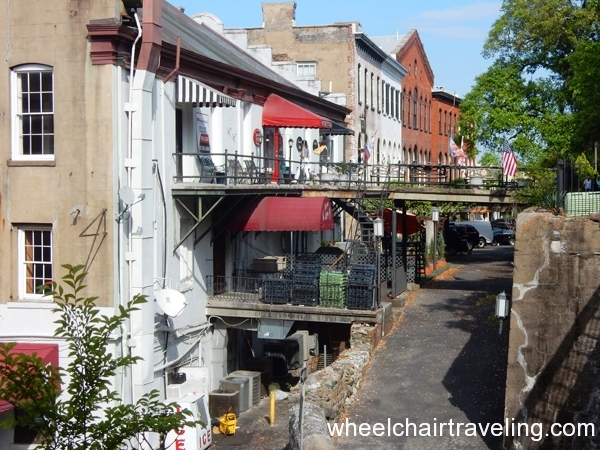
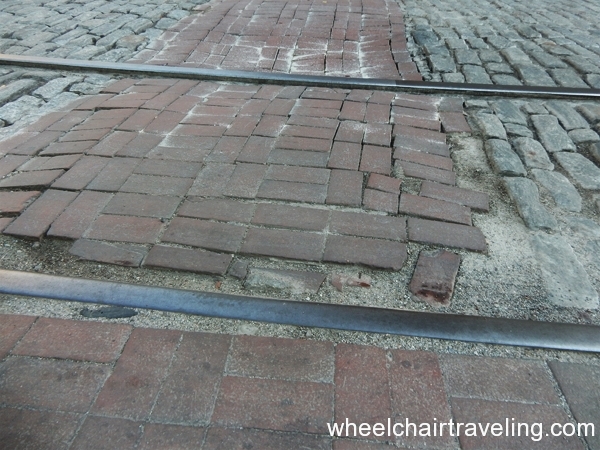
- Pathways: Some areas have uneven cobblestones, but a smoother brick path runs along the water.
- Parking: Accessible spaces are available nearby.
- Restrooms: Accessible restrooms are available at the River Street Visitor Center.
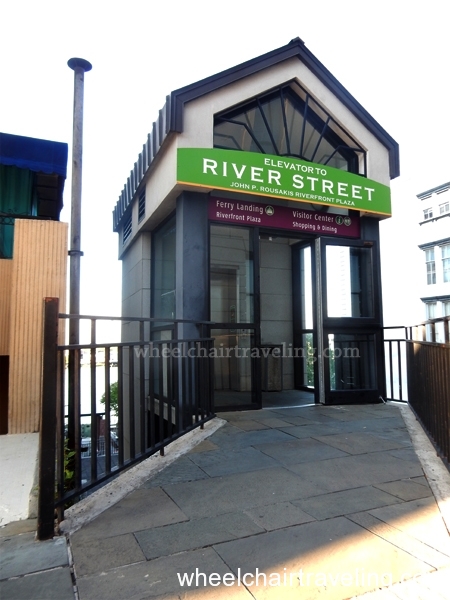
- Additional Notes: An elevator next to the Hyatt Regency Savannah provides access to the street level.
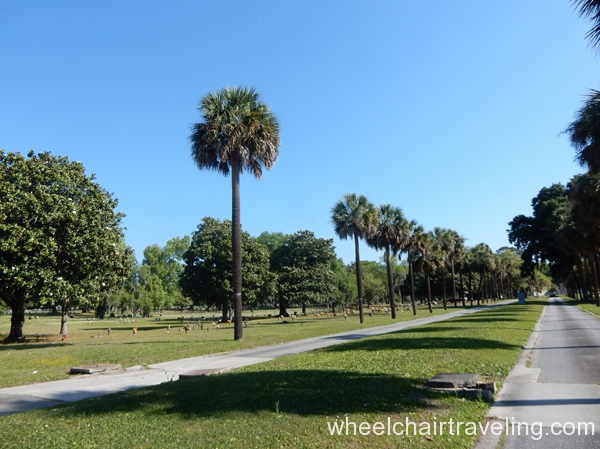
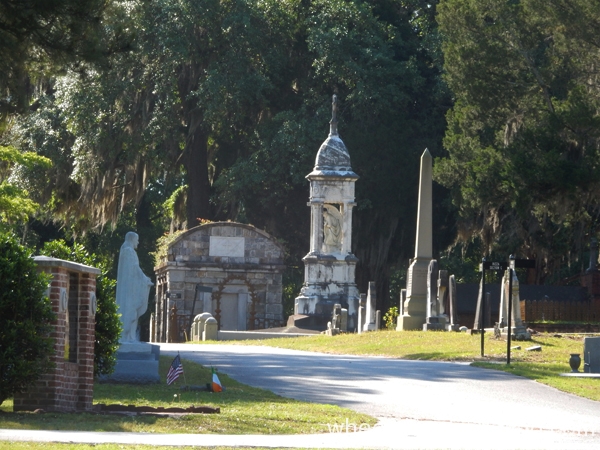
2. Bonaventure Cemetery: This historic cemetery is known for its stunning oak trees and intricate tombstones.
- Pathways: Some paved paths, but many areas consist of packed dirt and gravel.
- Parking: Accessible parking is available.
- Restrooms: Accessible restrooms are near the entrance.
- Additional Notes: Visitors can drive through most areas for better accessibility.
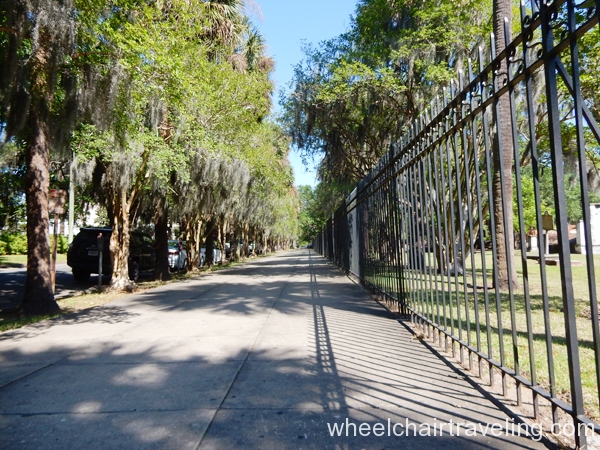
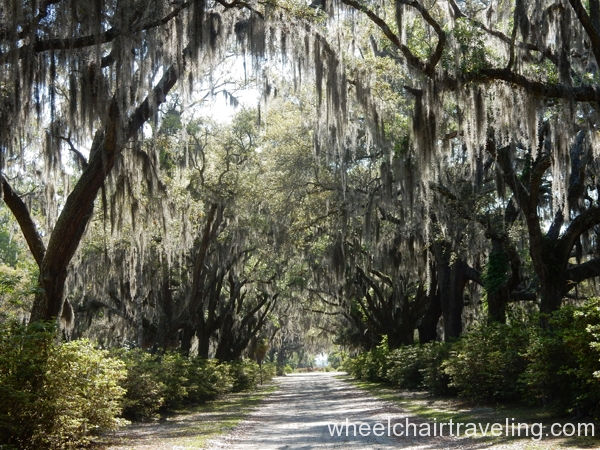
4. Wormsloe State Historic Site: Home to Savannah’s famous oak-lined avenue, Wormsloe offers colonial-era ruins and a glimpse into early Georgia history.
- Pathways: The main road is paved, but trails consist of packed dirt and sand, with some tree roots.
- Parking: Designated accessible parking is available.
- Restrooms: Accessible restrooms are located at the visitor center.
- Additional Notes: The iconic oak-lined avenue is best accessed by vehicle.
5. Tybee Island: A short drive from Savannah, Tybee Island is a beach destination offering accessible features.
- Pathways: Beach access mats allow wheelchair users to reach the sand.
- Parking: Designated accessible parking near beach entrances.
- Restrooms: Accessible restrooms available at beach access points.
- Additional Notes: The Tybee Island Marine Science Center is fully wheelchair accessible.
6. Savannah Botanical Gardens: A peaceful escape featuring a variety of themed gardens.
- Pathways: Paved paths throughout.
- Parking: Accessible parking on-site.
- Restrooms: Accessible restrooms available.
7. Lake Mayer: A peaceful park with a large lake, picnic areas, and walking trails.
- Pathways: Most of the paths around the lake are paved and wide.
- Parking: Accessible parking available.
- Restrooms: Accessible restrooms are available.
- Barriers: The paved paths are generally easy to navigate, but some areas may have slight inclines.
8. Rodney Hall Boating Area: This scenic area features a boat launch and picnic areas.
- Pathways: Smooth paths lead to the boat launch area, but some gravel paths may pose a challenge.
- Parking: Accessible parking near the boating area.
- Restrooms: Accessible restrooms are available.
- Barriers: Gravel areas near the boat launch could be difficult to navigate, but most of the site is paved.
9. Isle of Hope and the Sidewalk River: A picturesque community by the river, offering stunning views and a historic atmosphere.
- Pathways: The main pathways are paved, though some areas may be uneven.
- Parking: Accessible parking available near the park areas.
- Restrooms: Restrooms are available at the park entrance.
- Barriers: The sidewalk by the river is relatively smooth, but some sections may be narrow or uneven.
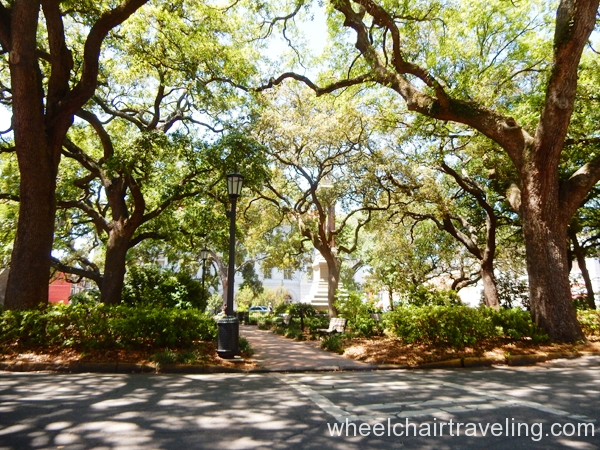
10. Emmett Park: This charming park is located in the Historic District, featuring benches, green space, and public art.
- Pathways: Smooth, paved paths throughout the park.
- Parking: Accessible parking available nearby.
- Restrooms: There are no restrooms directly in the park, but they are available in the nearby area.
11. Colonial Park Cemetery: One of Savannah’s oldest cemeteries, known for its historic graves and beautiful grounds.
- Pathways: Mostly paved, with a few gravel areas.
- Parking: Accessible parking is available nearby.
- Restrooms: No restrooms on-site, but public restrooms are available in the area.
- Barriers: Gravel paths may be challenging for manual wheelchair users.
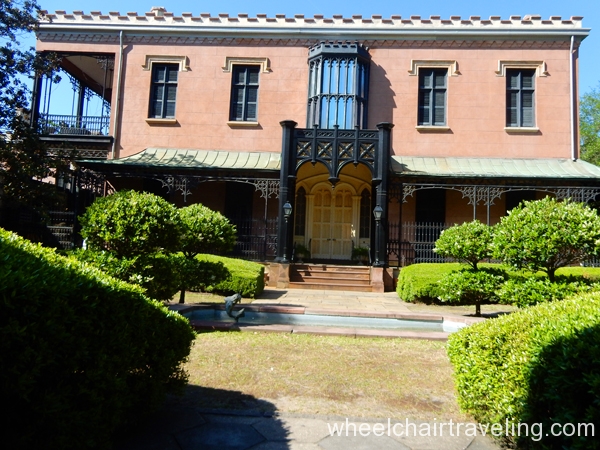
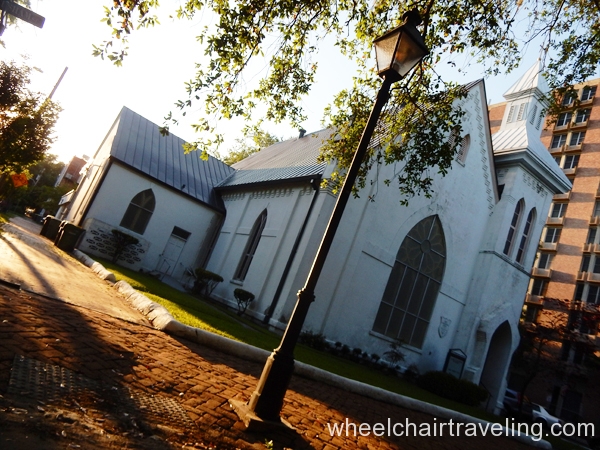
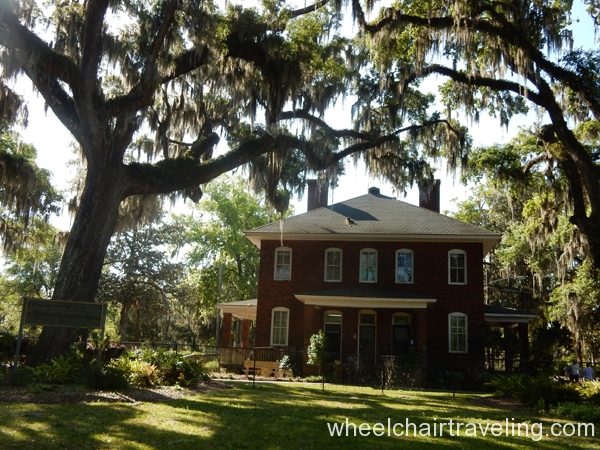
12: Owen-Thomas House & Garden: The Owen-Thomas House & Garden is a historic home and garden located in Savannah’s Historic District. It is one of the best-preserved examples of Regency-style architecture in the United States, offering a glimpse into Savannah’s past.
- Pathways: The primary pathways leading to the house and around the garden are paved, but there are areas with uneven surfaces, especially around the garden areas. The garden itself features some gravel paths, which can be tricky to navigate for wheelchair users, particularly those using manual chairs.
- Parking: Accessible parking is available on Abercorn Street, just outside the house, but spaces can be limited, particularly during peak visiting times. It’s best to arrive early to secure an accessible spot.
- Restrooms: Restrooms are located on-site, and they are accessible for wheelchair users. However, they are somewhat compact, so larger mobility devices may find it a bit tight to maneuver.
- Curb Cutouts & Getting Around: One of the main challenges at the Owen-Thomas House is the uneven curb cutouts along the street leading to the entrance. Some areas around the sidewalk may not have smooth transitions, requiring extra caution when navigating the street from the curb to the property. This can present a difficulty for wheelchair users as they navigate the Historic District’s charming but often uneven streets.
- Barriers: The primary barrier to accessibility is the gravel and uneven brick pathways around the garden. These can be challenging for manual wheelchair users, and some parts of the house’s interior may not be fully accessible due to the historic nature of the building and limited elevator access for upper floors. However, staff can assist with navigating and offering alternative ways to explore the grounds.
Tours & Experiences
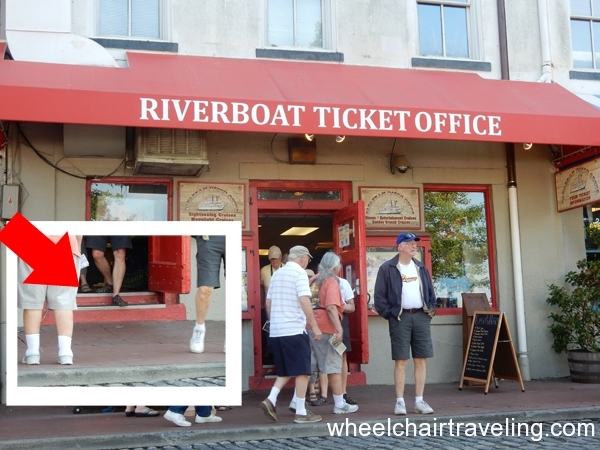
1. Savannah Riverboat Cruises: Experience Savannah from the water with a scenic cruise.
- Pathways: Ramps and elevators onboard ensure full accessibility.
- Parking: Accessible parking is available near the dock.
- Restrooms: Accessible restrooms are onboard.
2. Old Town Trolley Tours: A narrated tour of Savannah’s historic sites.
- Pathways: Trolleys with wheelchair lifts are available upon request.
- Parking: Accessible parking at the Savannah Visitor Center.
- Restrooms: Accessible restrooms at the Visitor Center.
3. Savannah Taste Experience Food Tours: A guided culinary tour through the city’s best restaurants.
- Pathways: Routes are wheelchair-friendly, with participating restaurants having accessible entrances.
- Parking: Accessible parking options near tour meeting points.
4. 6th Sense Savannah Ghost Tour: Explore Savannah’s haunted past with a wheelchair-accessible walking tour.
- Pathways: The route is designed to be fully wheelchair accessible.
- Parking: Accessible spaces near the tour meeting location.
Dining & Shopping
1. City Market: A lively area with shops, restaurants, and entertainment.
- Pathways: Smooth pavement throughout.
- Parking: Nearby accessible parking garages.
- Restrooms: Accessible restrooms available on the second floor.
2. The Stacks Bookstore: A new independent bookstore focused on disability representation.
- Pathways: Step-free entry, spacious aisles.
- Parking: Accessible spaces nearby.
- Restrooms: Fully accessible.
3. Goose Feathers Cafe and Bakery: A popular breakfast and lunch spot in the Historic District.
- Pathways: Step-free entrance.
- Parking: Accessible parking nearby.
- Restrooms: Fully accessible.
4. Collins Quarter at Forsyth Park: A stylish café with indoor and outdoor seating near Forsyth Park’s fountain.
- Pathways: Accessible seating options available.
- Parking: Accessible spaces nearby.
- Restrooms: Fully accessible.
5. Dottie’s Market: A brunch and bakery spot on Broughton Street.
- Pathways: Step-free entry and spacious seating.
- Parking: Nearby accessible spaces.
- Restrooms: Fully accessible.
6. Belford’s Savannah Seafood and Steaks: A fine-dining steak and seafood restaurant in City Market.
- Pathways: Fully accessible entrance and seating.
- Parking: Accessible parking nearby.
- Restrooms: Fully accessible.
Entertainment
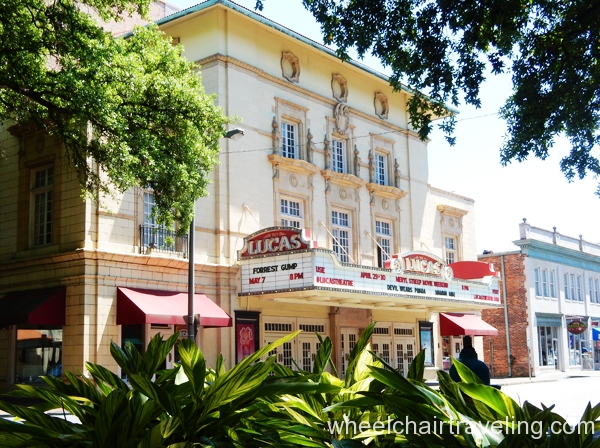
1. Savannah Theatre: One of the oldest operating theaters in the U.S., offering live performances.
- Pathways: Wheelchair-accessible seating and facilities.
- Parking: Accessible spaces nearby.
- Restrooms: Fully accessible.
Accessibility, Barriers + Getting Around
An effort has been made to improve wheelchair travel access in Savannah, Georgia, but there are still holes in the execution and barriers that may or may not be possible to fix. Plus, there is still resistance from some businesses and property owners to create wheelchair accessibility.
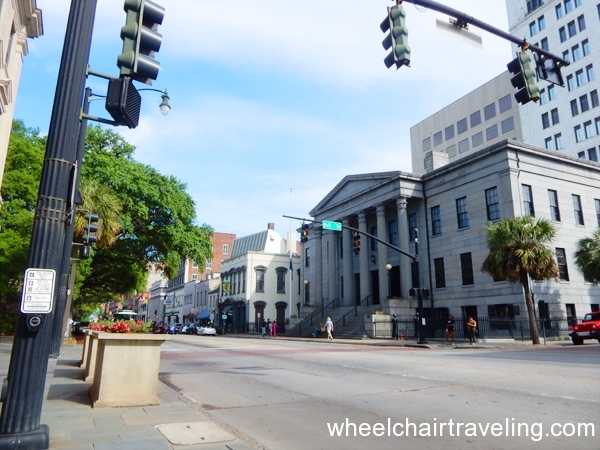
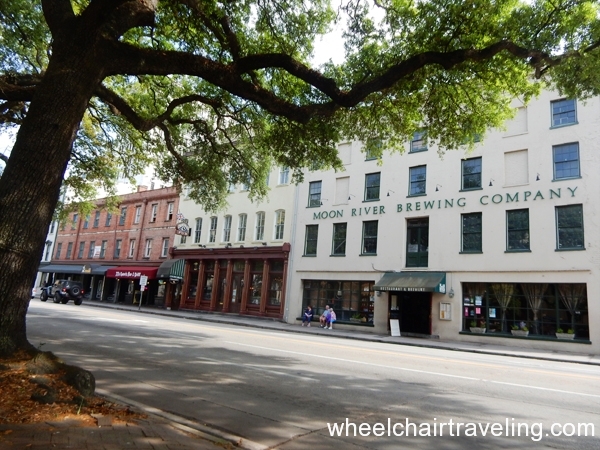
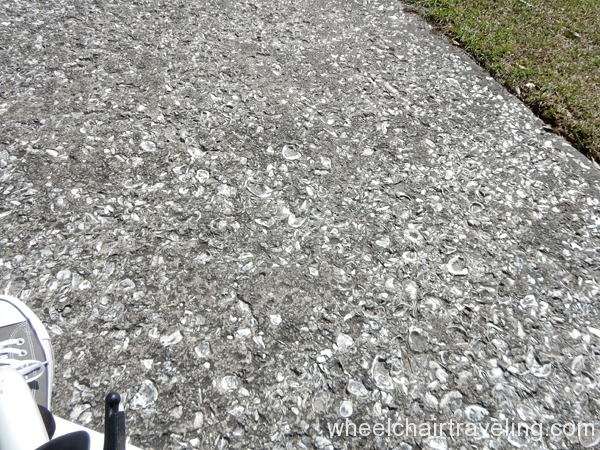
Throughout Historical Savannah, curb cutouts were commonly present, but not at every corner nor were they always level with the street. A general assumption is that there are more barriers the more off the beaten path you go, but popular areas were not always wheelchair friendly. Sidewalks can narrow too much to pass or be unkempt, and in these cases, take to the street but roll with caution. Historical Savannah has the most potential for barriers because more brick and cobblestones are used on pathways. Backtracking or riding the streets at times will be necessary.
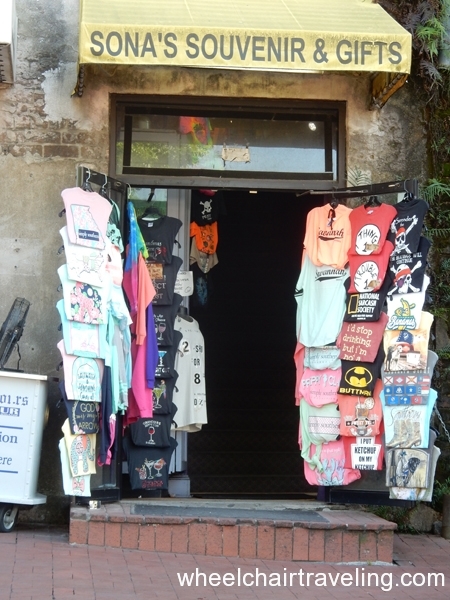
Barrier-free shops and restaurants were not plentiful, but something can always eventually be found. Whether it is what you want is another question. Providing a portable ramp, on request, solves this issue while still maintaining the original structure. Outdoor seating is popular in Historic Savannah and is an option even if the rest of the restaurant is not wheelchair friendly. Accessible public toilets are also a challenge, especially for power wheelchairs and scooters. Hotel lobbies and museums seemed to have the best access.
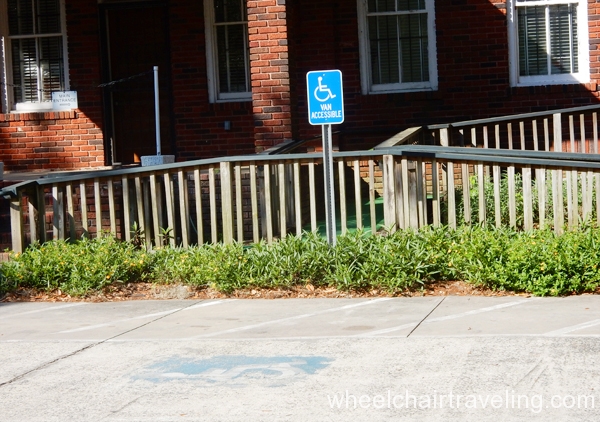
Designated handicapped parking spots were scattered throughout Historic Savannah, though in some spots, vans with ramps may have trouble if the landing pad is not level. Besides the trolley, Savannah has an accessible bus system and Yellow Cabs are equipped with a ramp for a wheelchair.