Who Is Accessible Fiji?
Accessible Fiji is a specialized accessible travel provider dedicated to helping wheelchair users, seniors, and travelers with mobility disabilities experience Fiji with greater confidence. As part of Rosie Holidays Fiji, the company combines accessible transportation, customized tours, accommodation support, and local accessibility expertise to create more inclusive travel experiences throughout the islands.
“We believe the joy of a Fijian sunrise, the warmth of its people, and the magic of its islands belong to everyone — regardless of mobility or disability,” says Bakani. “This is more than a travel service. It is a statement that Fiji is open to all.”
Accessible tourism in Fiji is still evolving. Infrastructure continues to develop, accessible experiences remain limited, and many natural environments still present mobility challenges. Accessible Fiji openly acknowledges this. Rather than relying on assumptions and overpromising, the team works directly with travelers to understand their individual accessibility requirements and identify accommodations, transportation, and experiences that best match their needs. This personalized approach helps visitors make informed decisions before arriving in Fiji and reduces many of the uncertainties that can accompany international accessible travel.
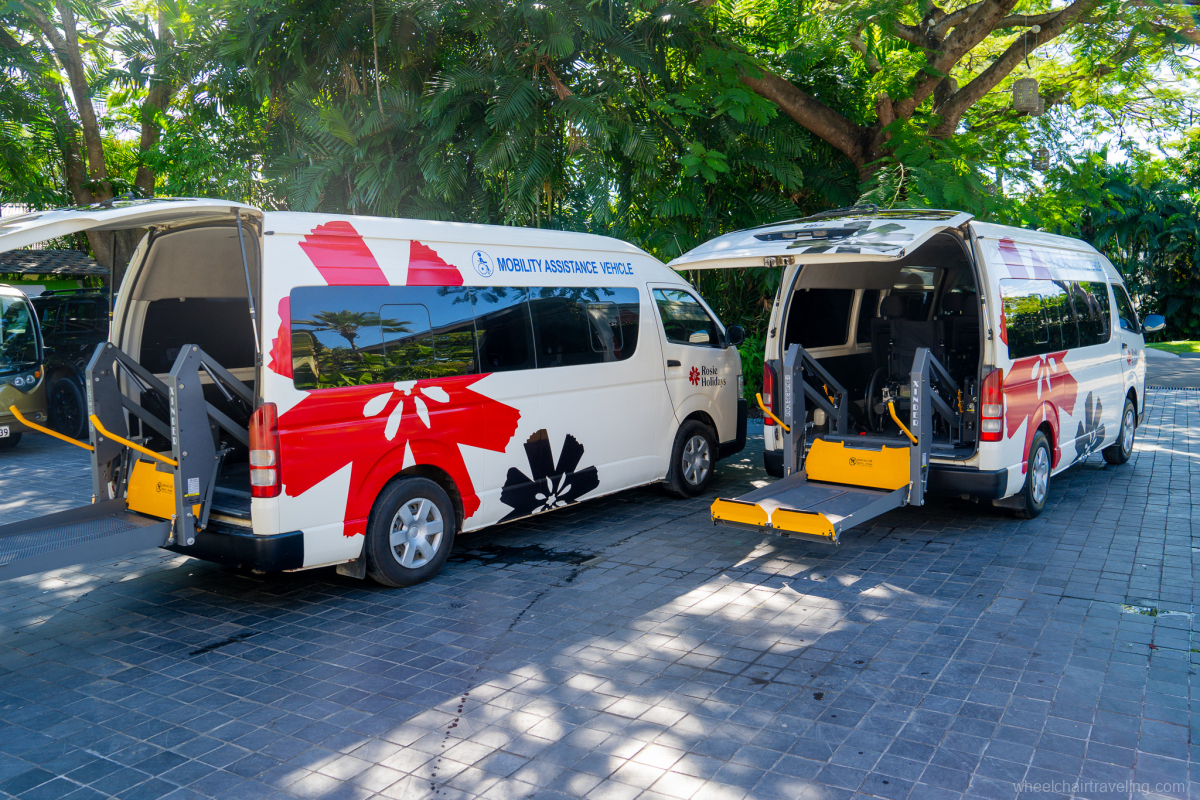
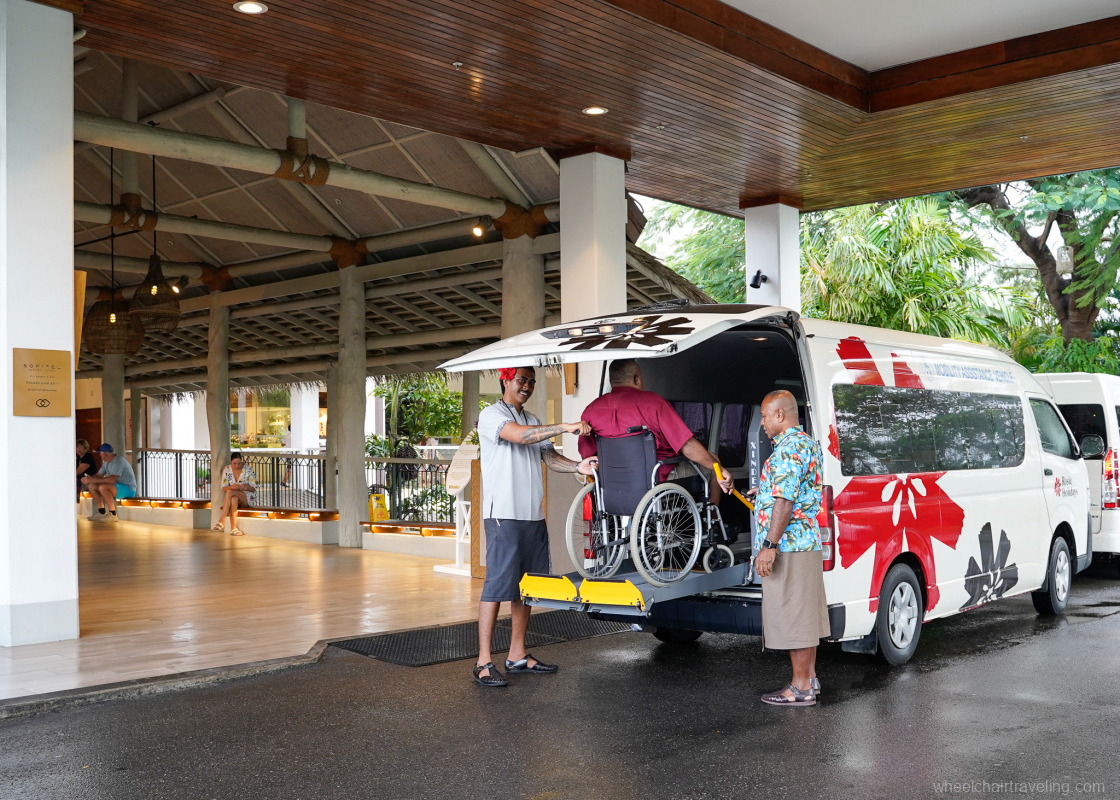
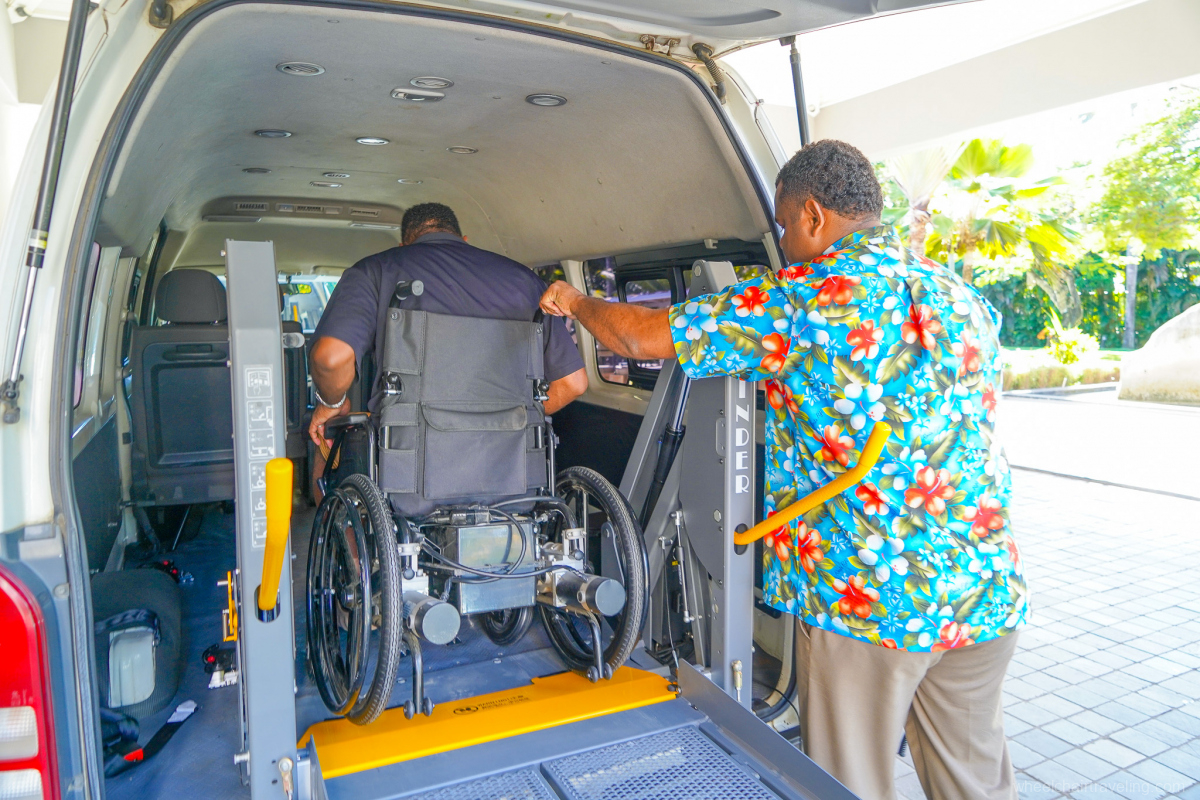

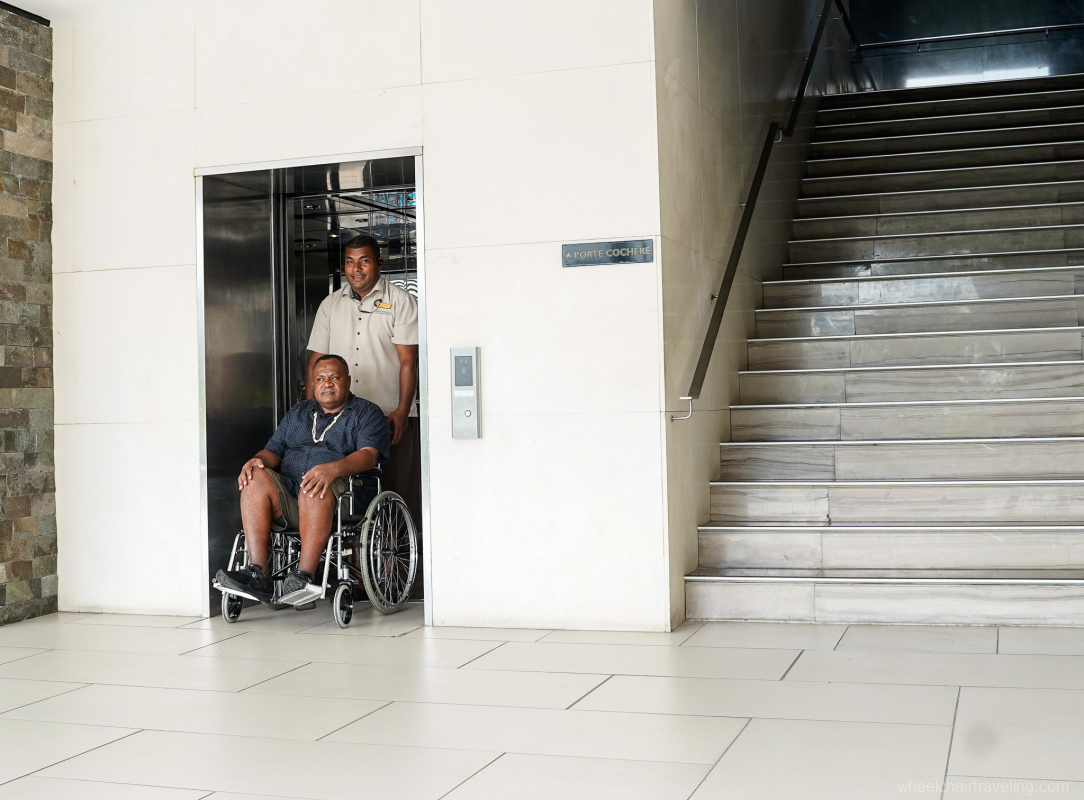
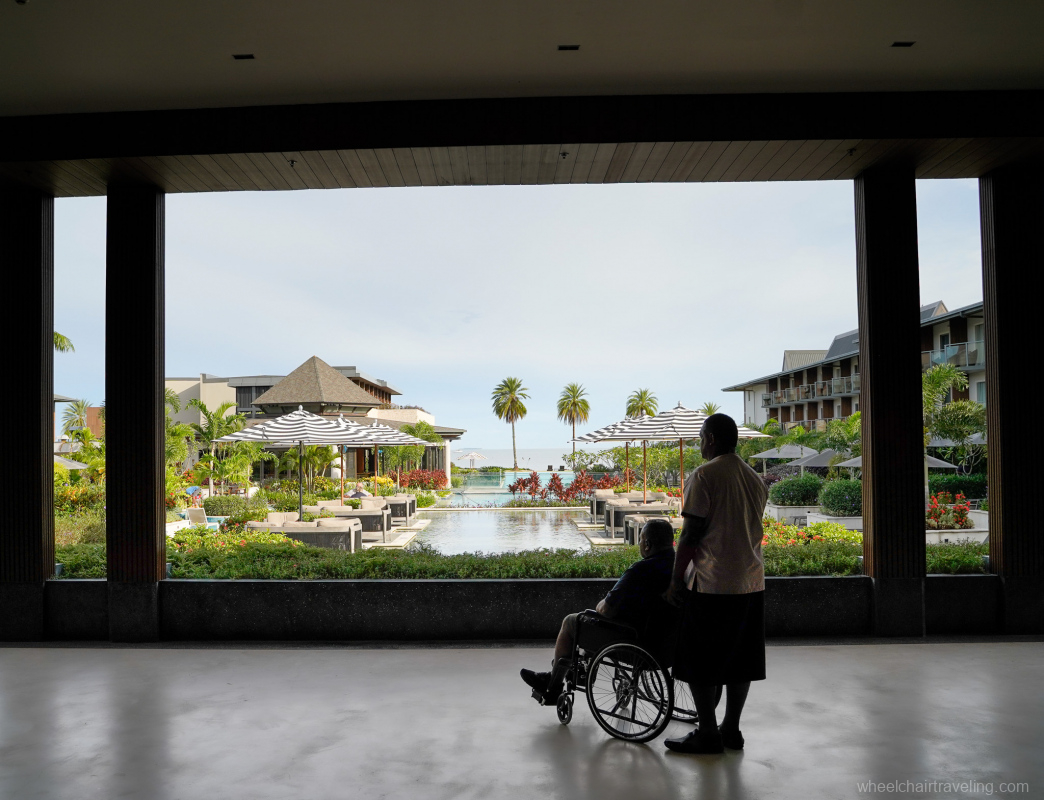
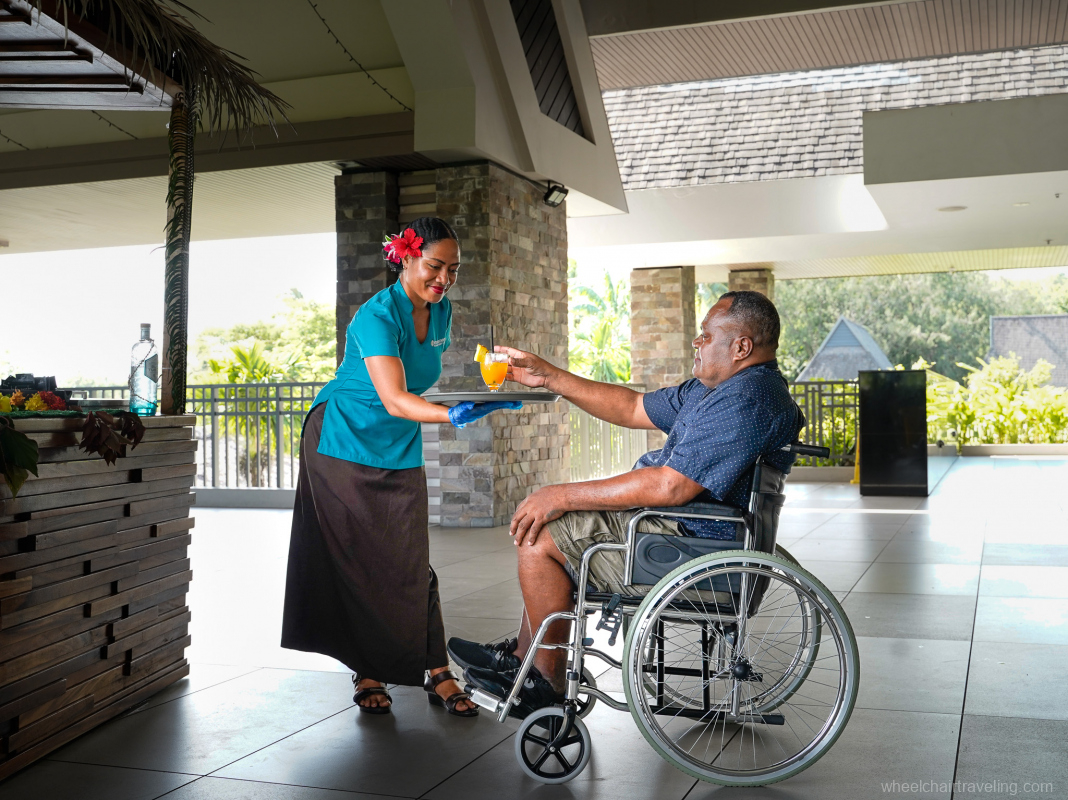

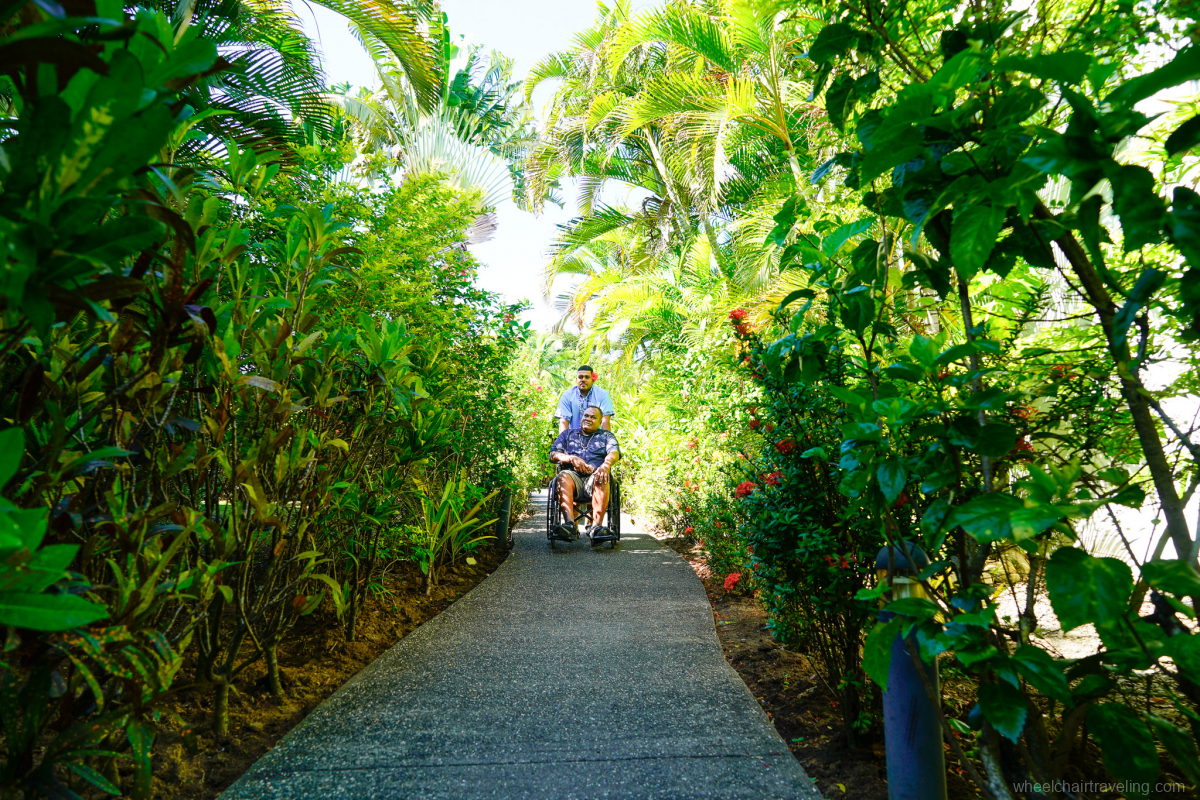
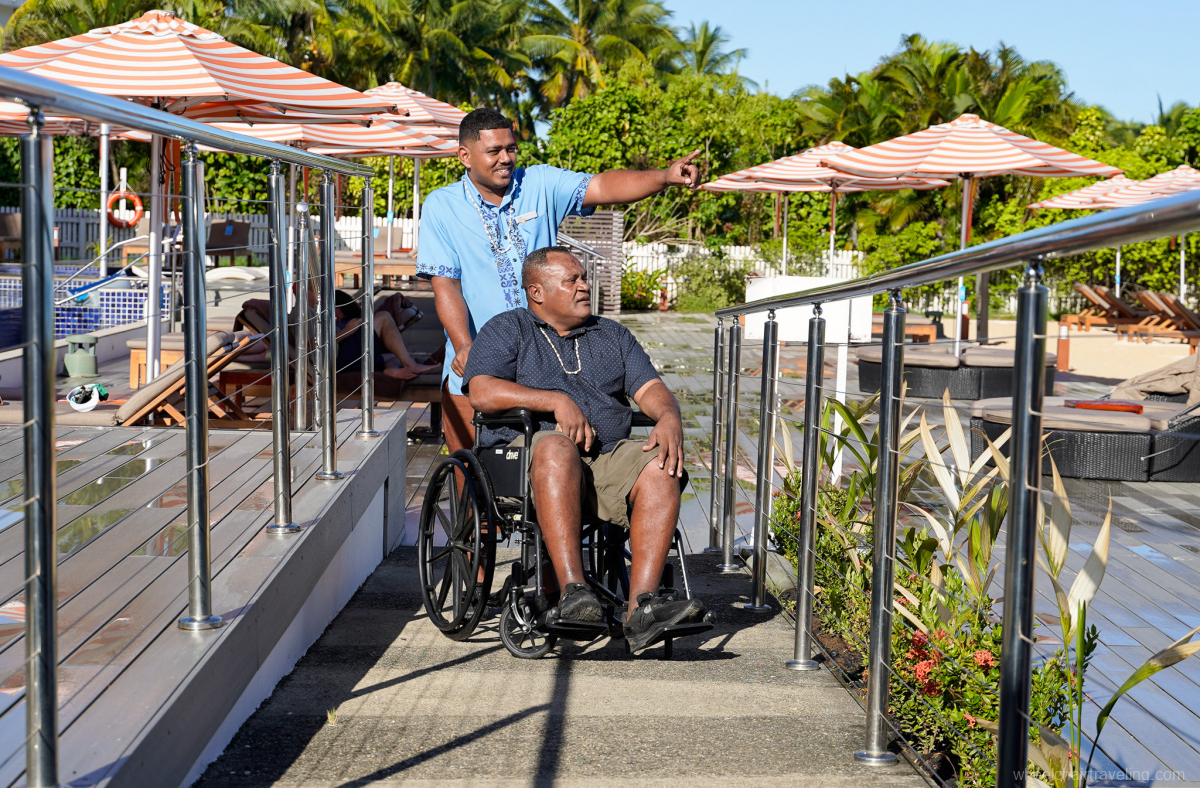
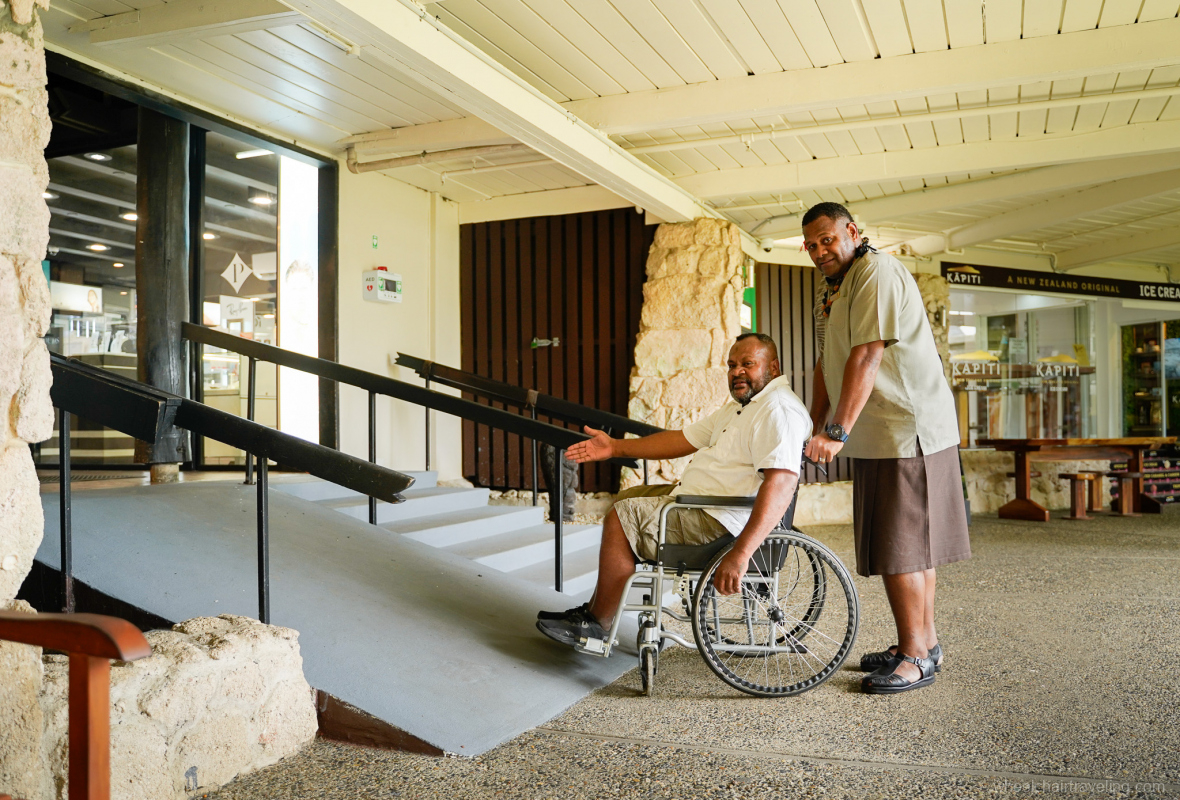
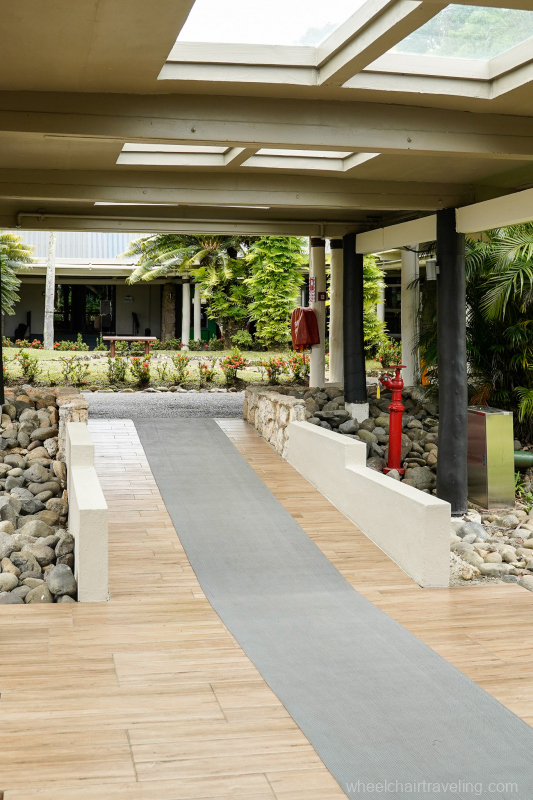
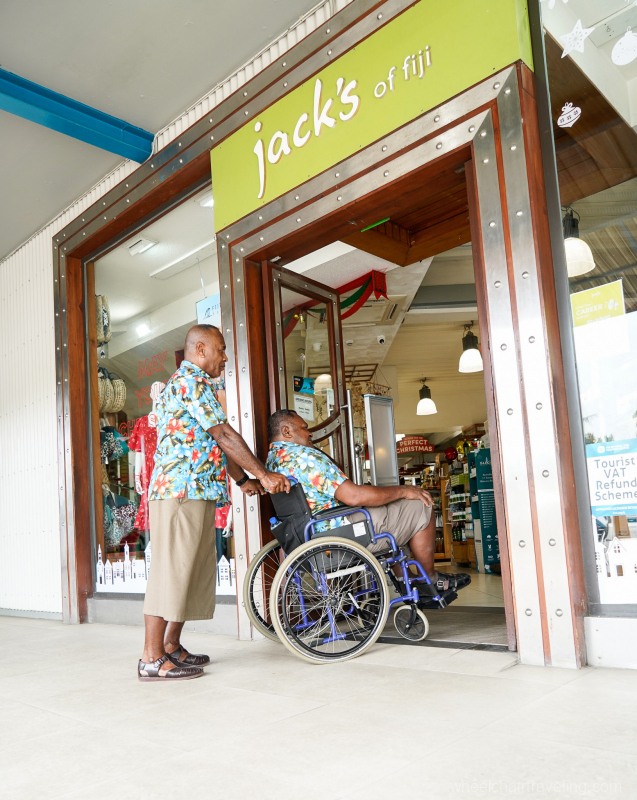



Fiji Accessible Transportation

Transportation is often one of the biggest concerns for wheelchair travelers visiting island destinations, and Accessible Fiji is working to simplify that process.
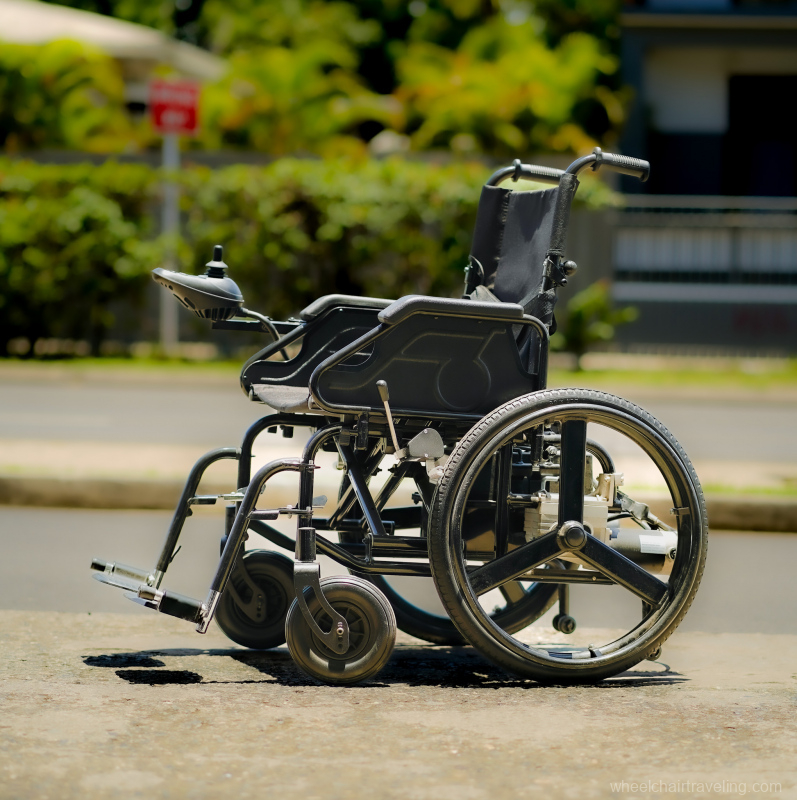
Two accessible LDV MIFA9 EV vehicles are equipped to transport manual and power wheelchair users safely and comfortably while also accommodating family members, companions, caregivers, and trained support staff. The vehicles feature wheelchair lift systems and securement areas designed for mobility devices, with capacity for up to seven passengers plus one wheelchair user. Electric mobility scooters are not currently supported, though the team encourages travelers to discuss their individual equipment needs before booking.
Services include:
- Airport transfers
- Resort transfers
- Cruise and port transfers
- Sightseeing transportation
- Customized transportation arrangements
Travelers using power wheelchairs should provide:
- Wheelchair dimensions
- Weight information
- Battery type
- Transfer requirements
Accessible Tours & Experiences
Beyond transportation, Accessible Fiji is developing experiences specifically designed for travelers with various mobility needs.
Rather than simply adapting traditional tours, Accessible Fiji focuses on identifying experiences that can be realistically enjoyed by wheelchair users and travelers with limited mobility. The company currently offers accessible land-based touring experiences that allow visitors to explore Fiji’s culture, landscapes, and communities as well as an accessible beach experience so travelers with disabilities can better enjoy Fiji’s famous coastline.
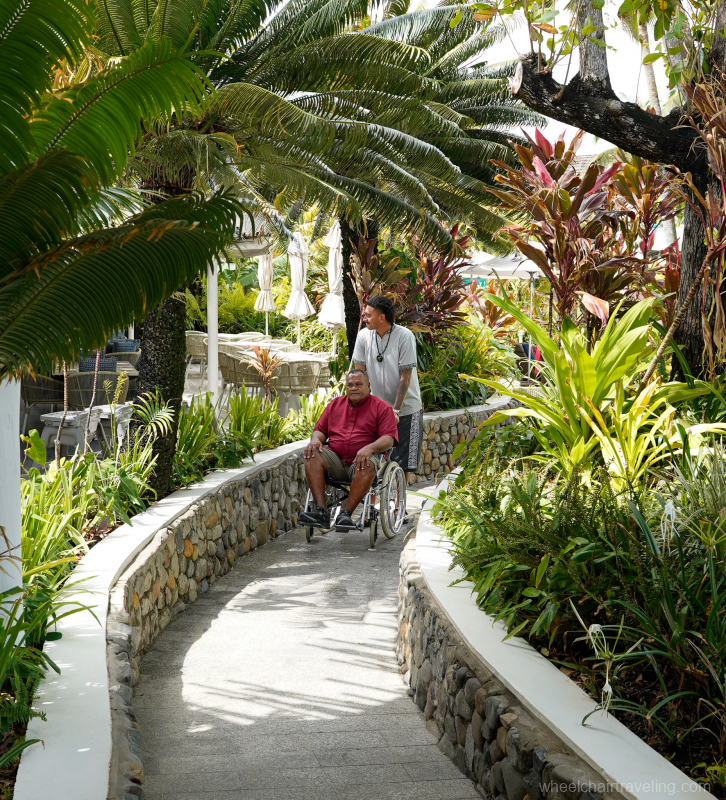
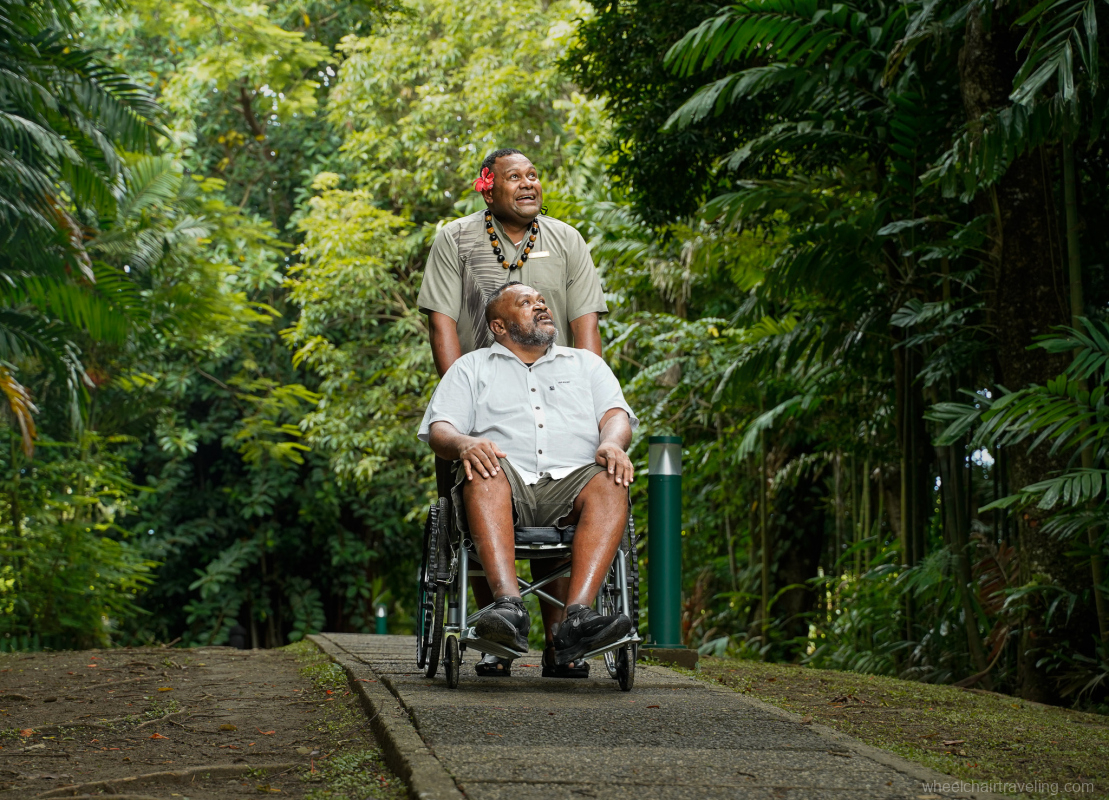
A key part of this initiative is Accessibility Ambassador Saimoni, who helps showcase Fiji through an accessibility-focused lens and supports the company’s commitment to inclusive tourism. Having local expertise can make a significant difference when navigating destinations where accessibility information is still emerging.
While many destinations avoid discussing accessibility limitations, Accessible Fiji addresses them directly. Travelers should realistically expect:
- Uneven terrain
- Sandy surfaces
- Tropical weather conditions
- Limited accessibility in some remote areas
Fiji Accessible Resorts
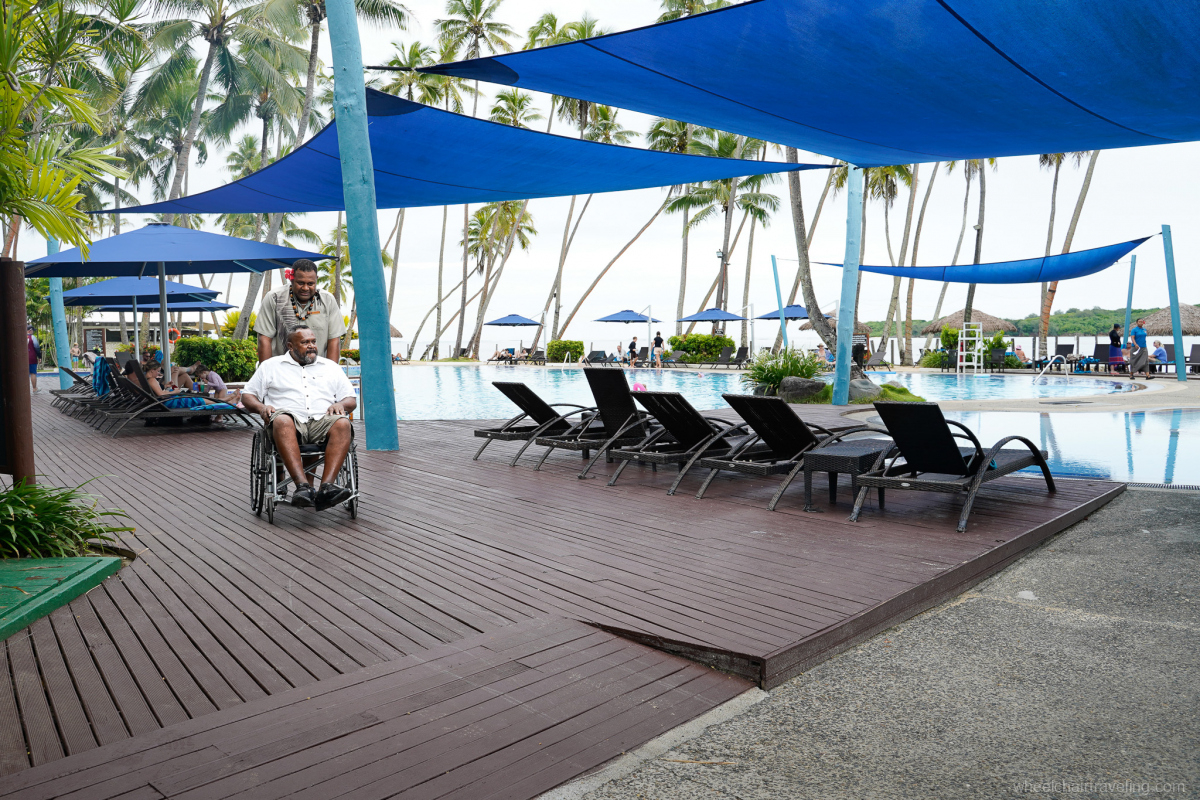
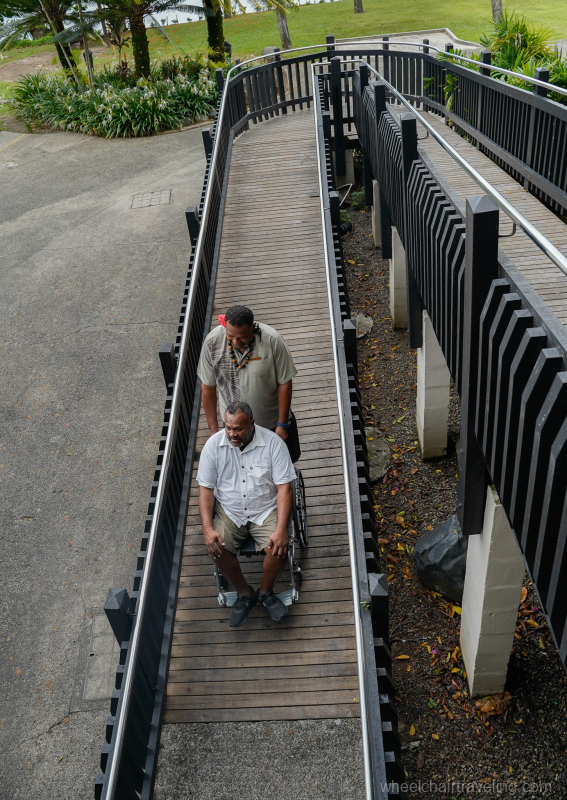
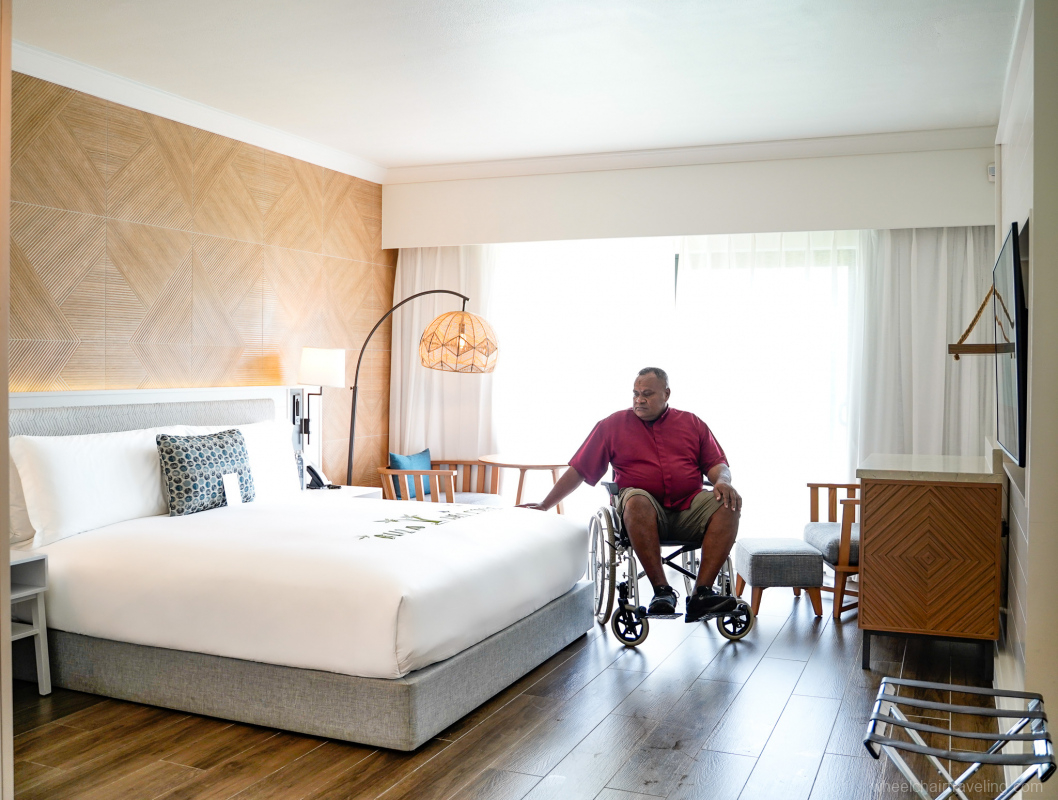
Accessible Fiji currently works with several properties that offer accessible-friendly accommodations for wheelchair travelers.
Their top recommended resorts include:
- Tanoa International Hotel
- Shangri-La Fiji Resort
- InterContinental Fiji Golf Resort & Spa
Common accessibility features may include:
- Wider doorways
- Turning space for wheelchairs
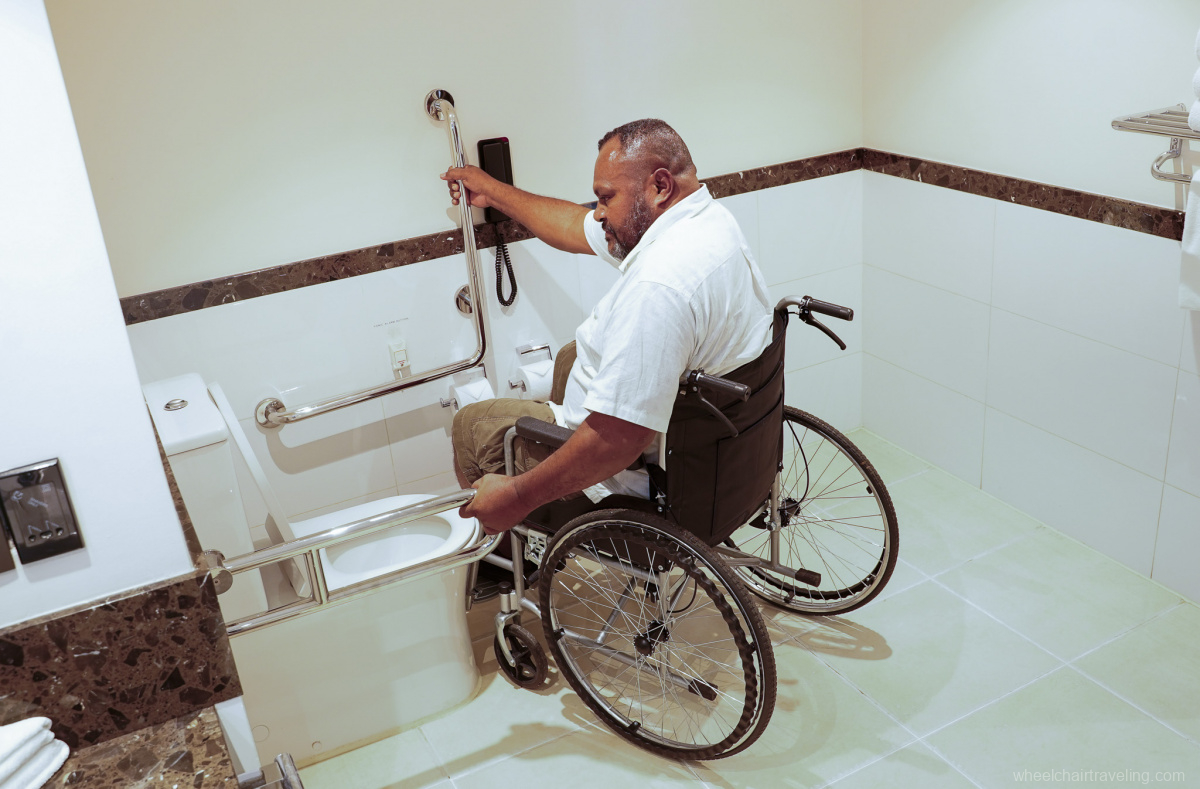
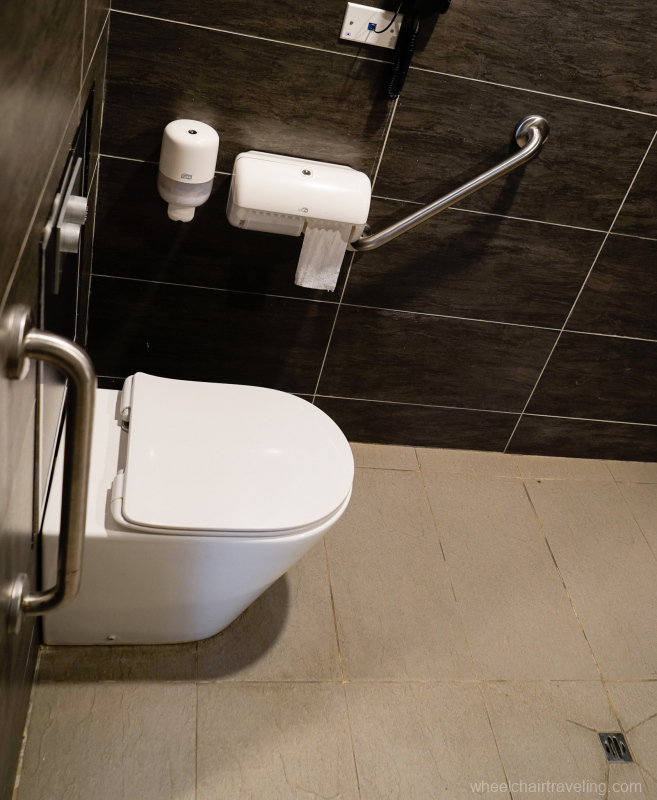
- Accessible toilet facilities
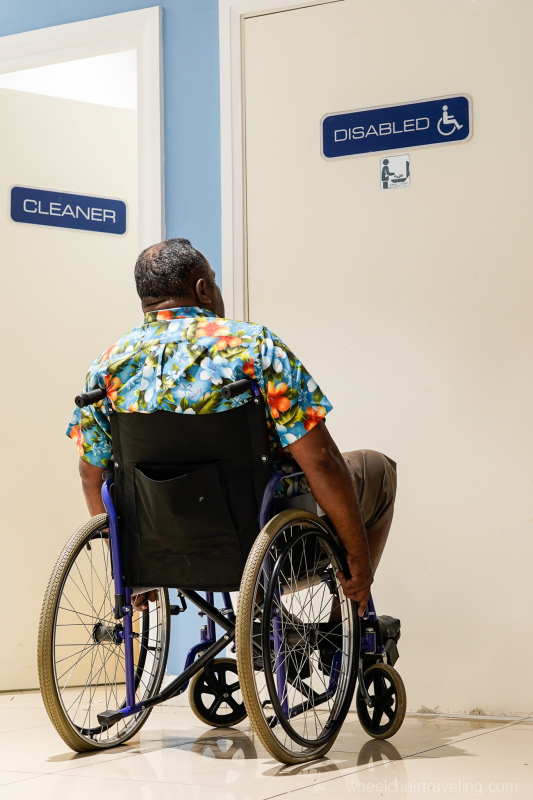
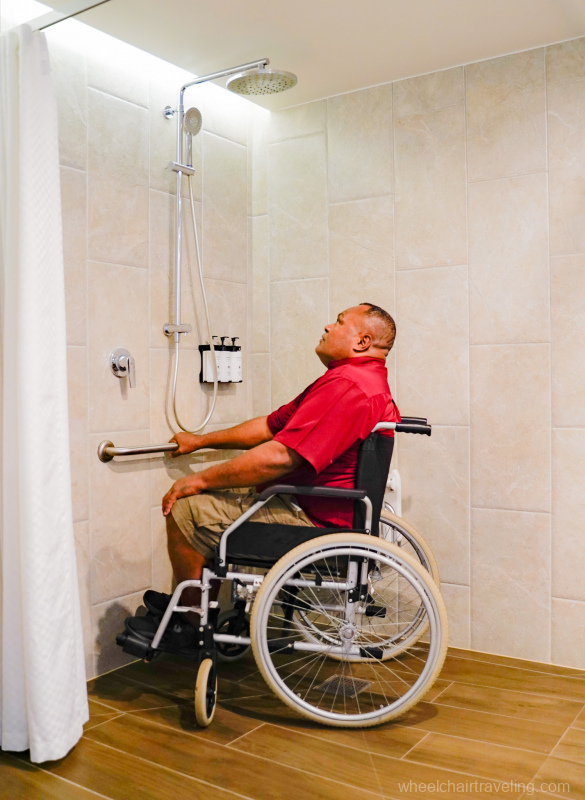
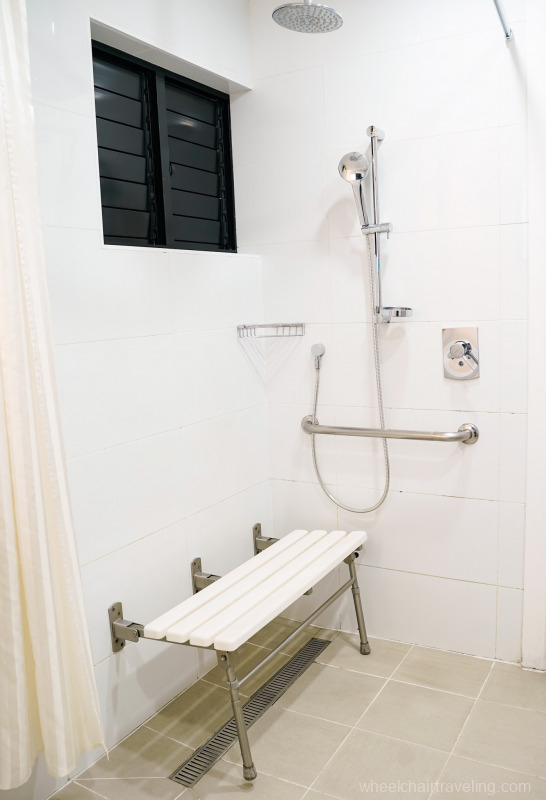
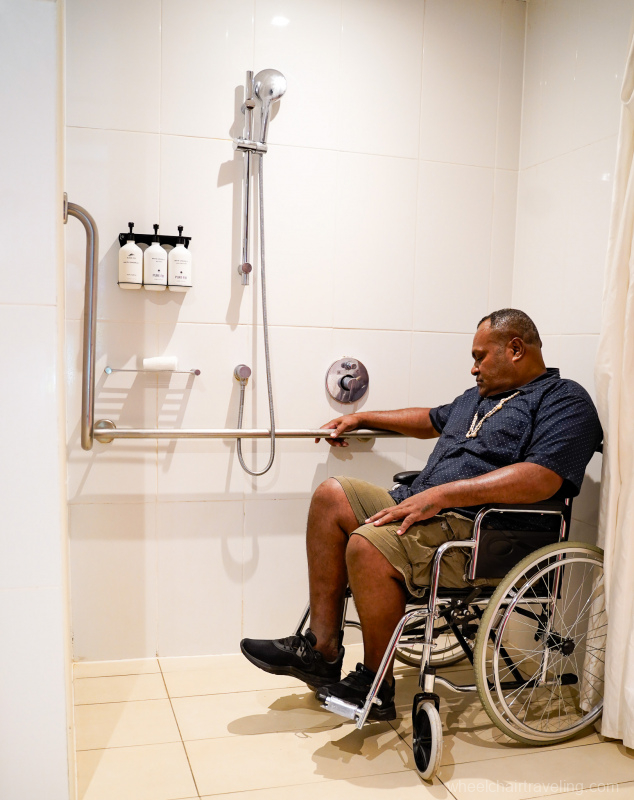
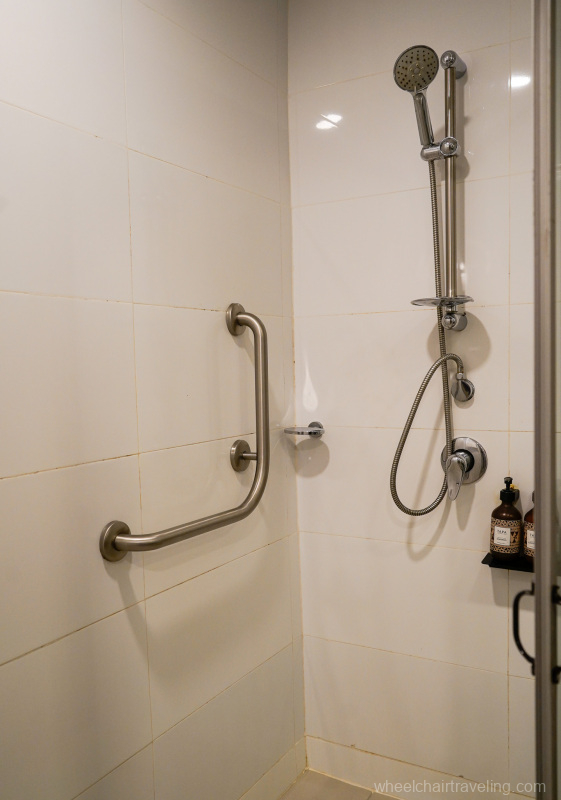
- Roll-in or accessible bathrooms
- Interconnecting rooms for caregivers or families
The company also confirms bathroom configurations and room layouts before booking to better match each traveler’s individual mobility needs. As with many tropical destinations, accessibility standards can vary significantly from property to property, so I strongly encourage travelers to communicate their specific accessibility requirements in advance.