For those interested in visiting incredible landscapes and magnificent castles in France, the Seine-et-Marne region is an ideal choice. Located thirty-five miles southeast of Paris, Seine-et-Marne is praised as a paradise of glorious chateaus, immense forests, and wonderful parks and gardens. The region is most famous for the historic town of Fontainebleau with a beautiful chateau and forest to explore, and nearby are several other charming areas in Seine-et-Marne to visit.
France is still very far from what developed countries have done for accessibility. It is easier to travel to the USA, Canada, England, Nordic countries, Japan, or Australia. Getting around with a wheelchair or limited mobility in France and accessing it is often a problem.
This is why associations are created to assert the rights of the disabled. For example, “MOBILITÉ RÉDUITE,” an association that campaigns for accessibility with the mission: to fight against discrimination and exclusion towards people with disabilities and reduced mobility resulting from non-compliance with the regulations in force in terms of accessibility to buildings open to the public, collective housing, public transport, parking, on roads and public spaces. The President of the association Jean-Michel Royere is in a constant legal battle with the government of France for accessibility.
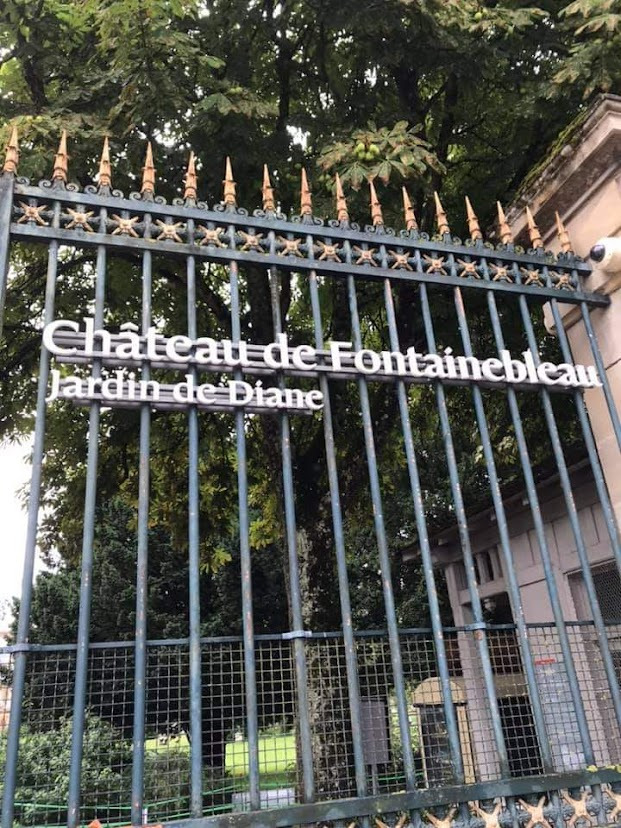
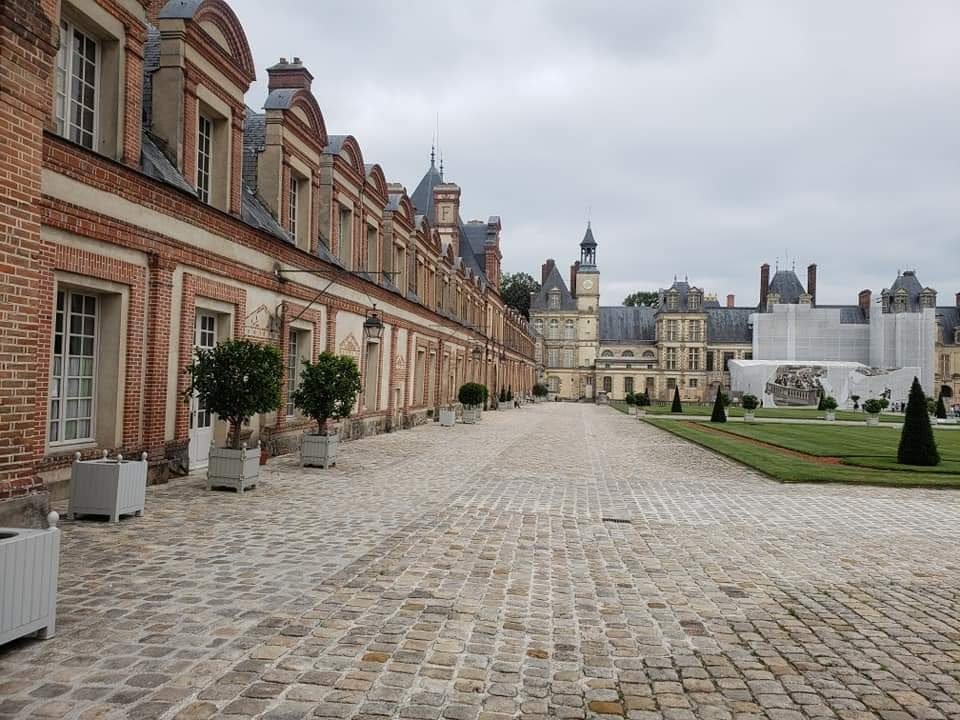
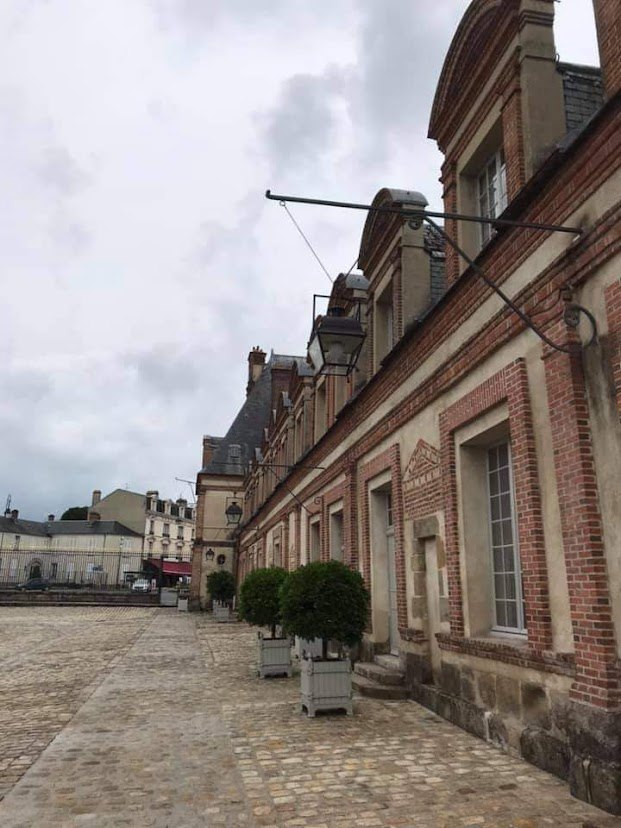
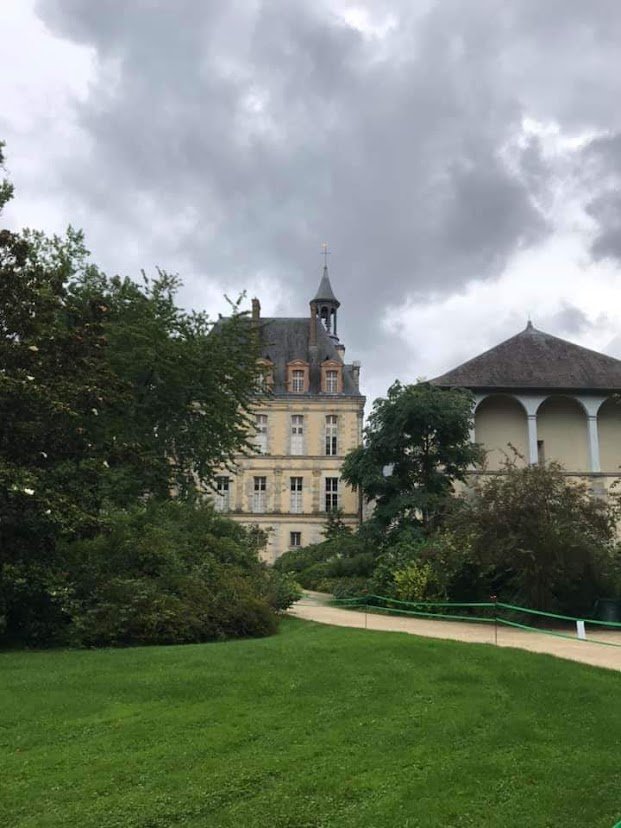
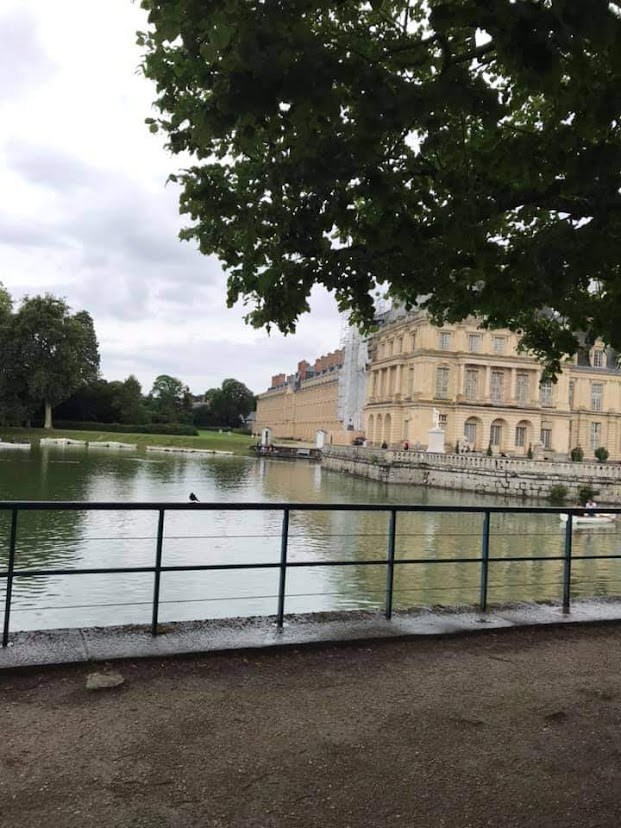
Fontainebleau Castle
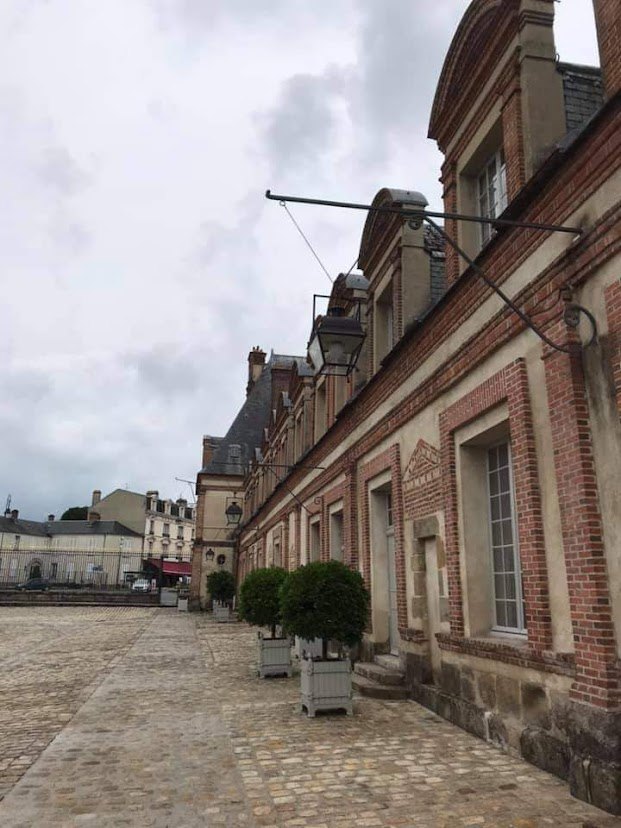
The Fontainebleau Castle was one of the preferred French kings’ residences for centuries; from François 1st to Napoléon III. The Castle is famous for its beautiful architecture and interior decor. It was built in 1528, five hundred years older than Versailles Palace. In 1531, Francis 1st had the vision to create a “New Rome” and constructed his royal apartments in designs that combine Italian Renaissance and French design. He commissioned famous artists from Italy such as Leonardo da Vinci.
The castle was inhabited by royals for eight centuries and you can see Marie-Antoinette’s bed and Napoleon’s throne and much more. There are 1,500 rooms and one hundred and thirty acres of parks and gardens. Going around you feel like you could be one of the thirty-four kings or two emperors who lived there!
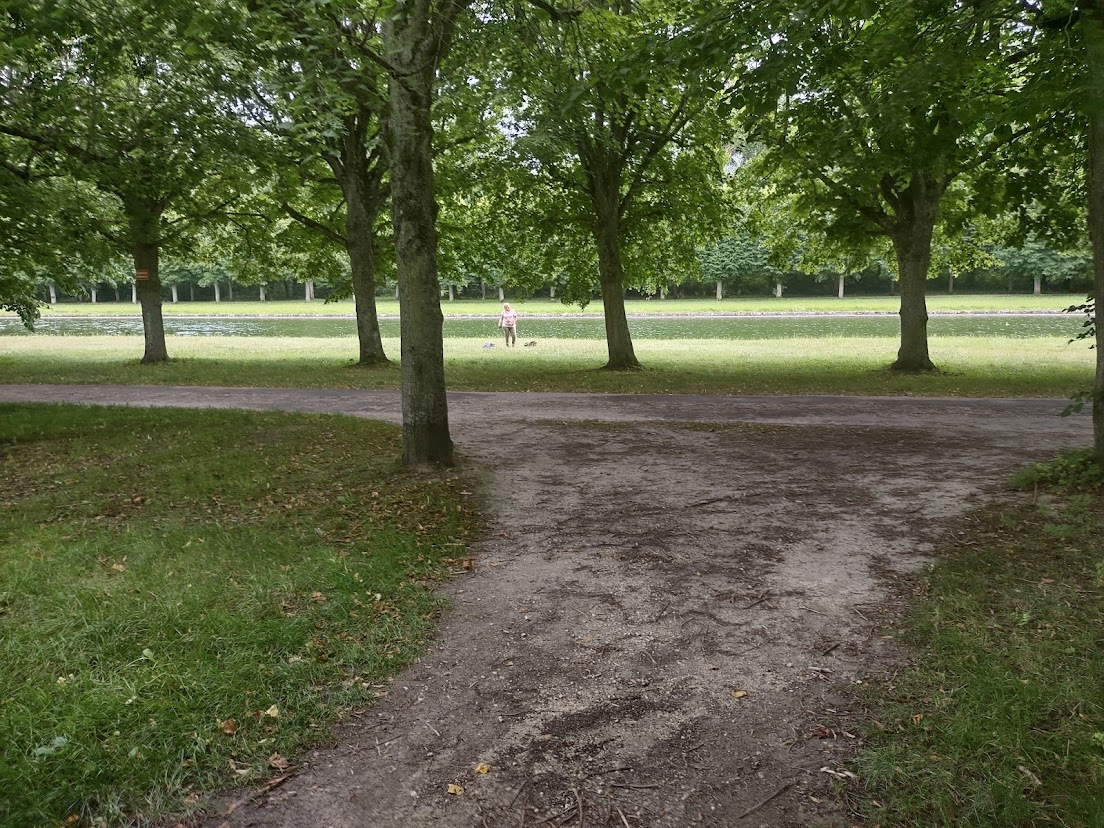
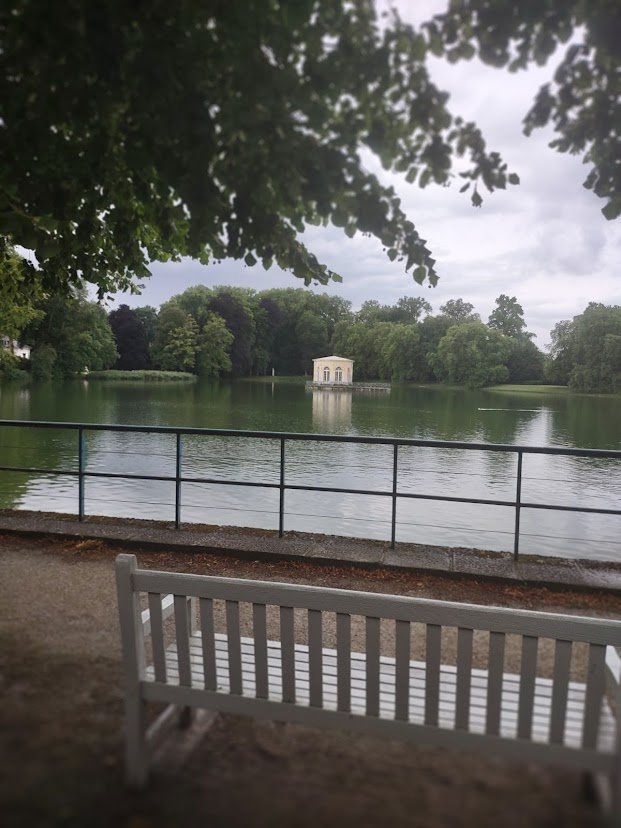
The Fontainebleau Castle is fifteen Euros for entry for adults and free for people with disabilities and an accompanying person. The Grand Apartments upstairs are the only accessible rooms; you need to request to use them at the reception desk. The Diane and English gardens are accessible but the other gardens are not because access is too difficult due to the cobblestones. Two accessible parking spaces are available at the castle and you have the option to be dropped off by car in front of the castle entrance. Accessible toilets are located in the reception area.
Fontainebleau Forest
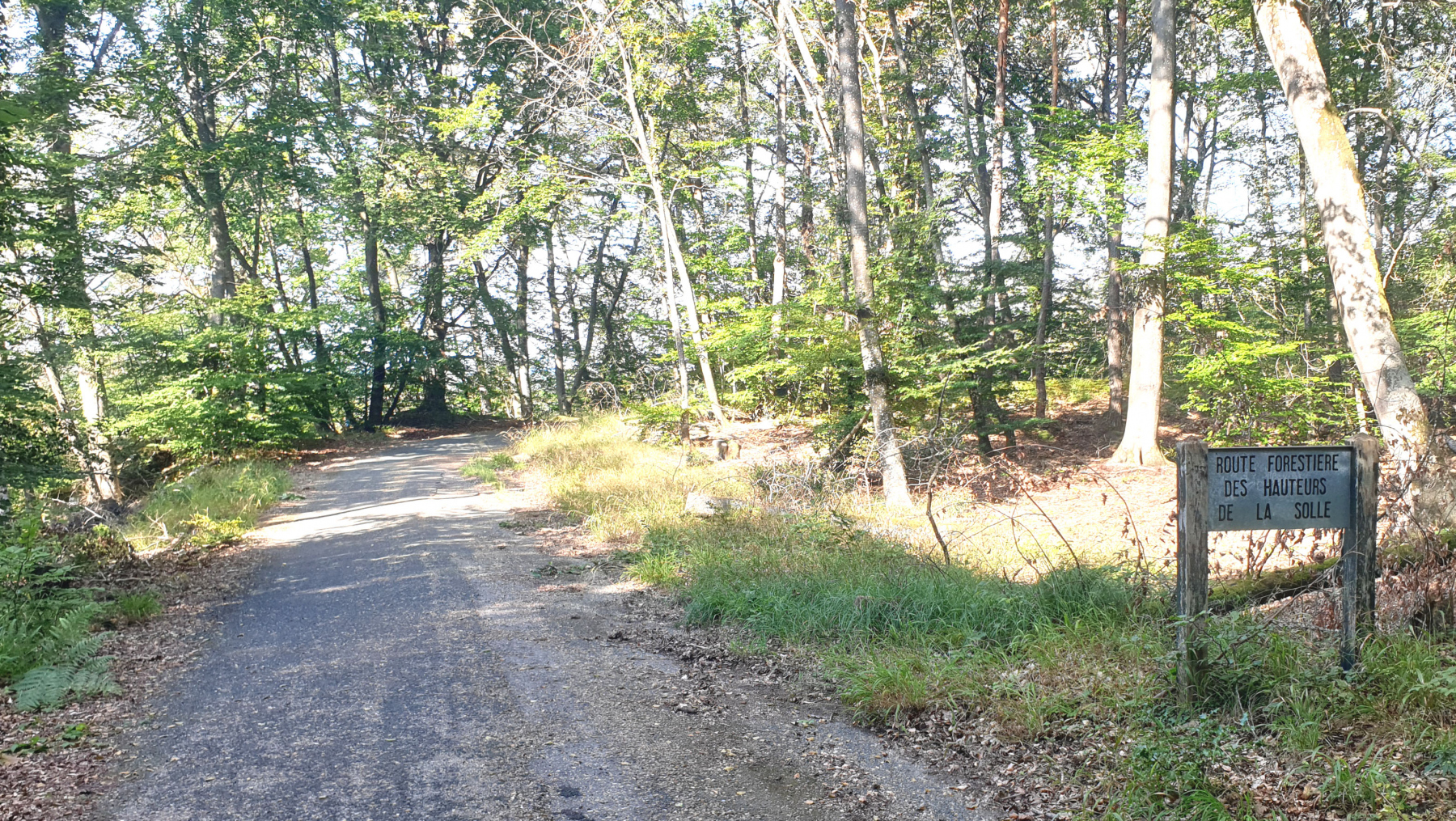
Like all state forests in France, Fontainebleau Forest is managed by the National Forestry Office ONF. Making the globally famous forest of Fontainebleau more accessible to people with disabilities is a priority public issue for the National Forestry Office. The ONF offers walking routes designed and adapted to all visitors. Therefore, as part of the “Fontainebleau, Exceptional Forest” initiative, 5 walks have been specially redesigned in the Fontainebleau forest.
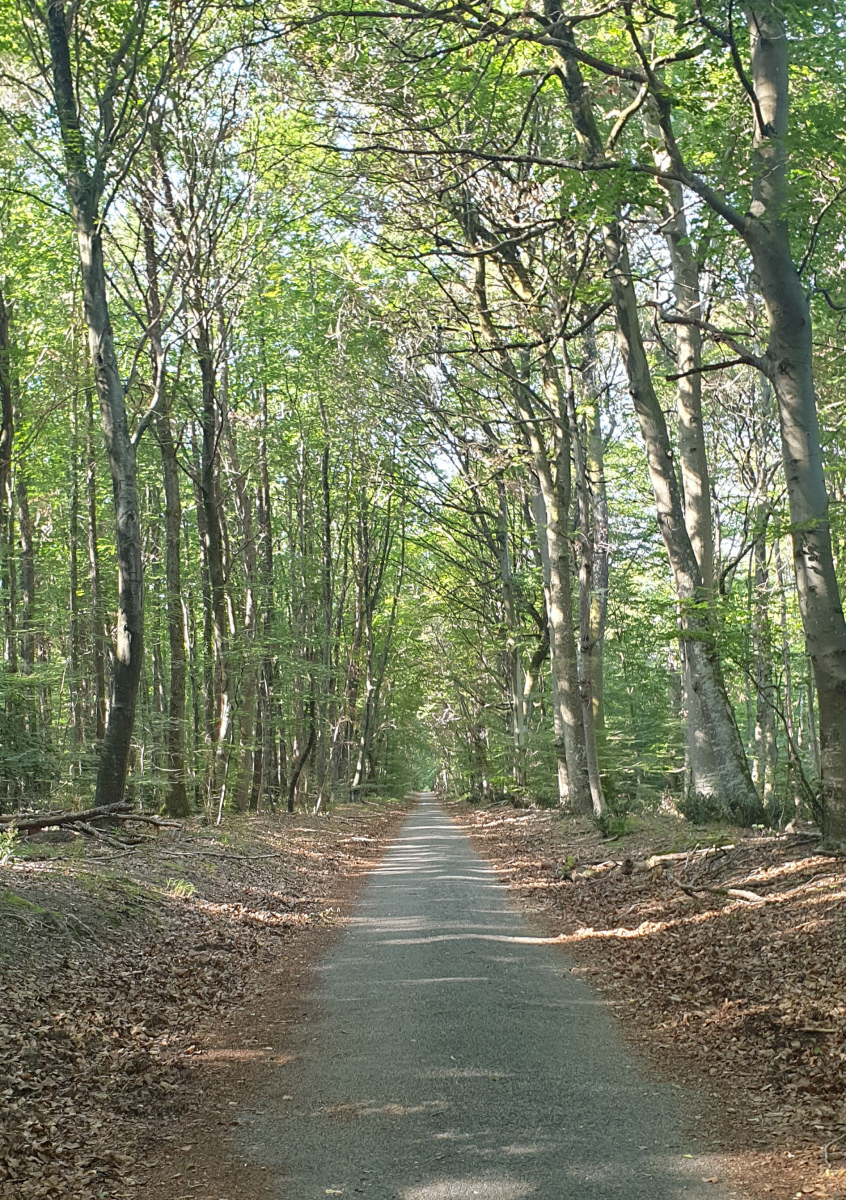
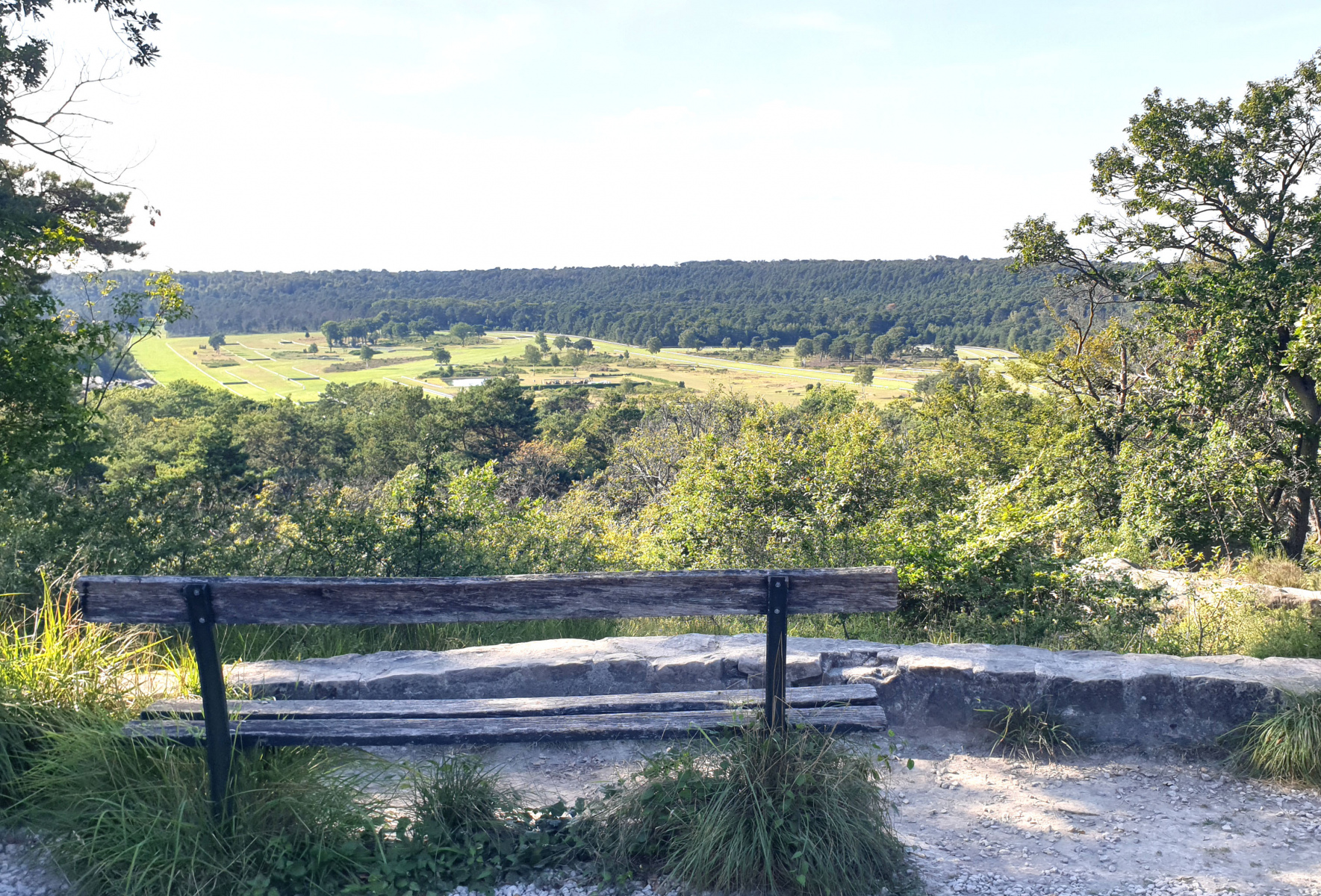
To reach the forest of Fontainebleau near the Fontainebleau-Avon SNCF train station requires a seven-minute bus ride and is worth exploring for the views over the Croix du Calvaire, the Sponge Rock, Denecourt Tower, and fountains. It is a short hike on the main asphalt trail and a magnificent view of Avon and Fontainebleau. There are several viewpoints, ponds, and little-known corners such as:
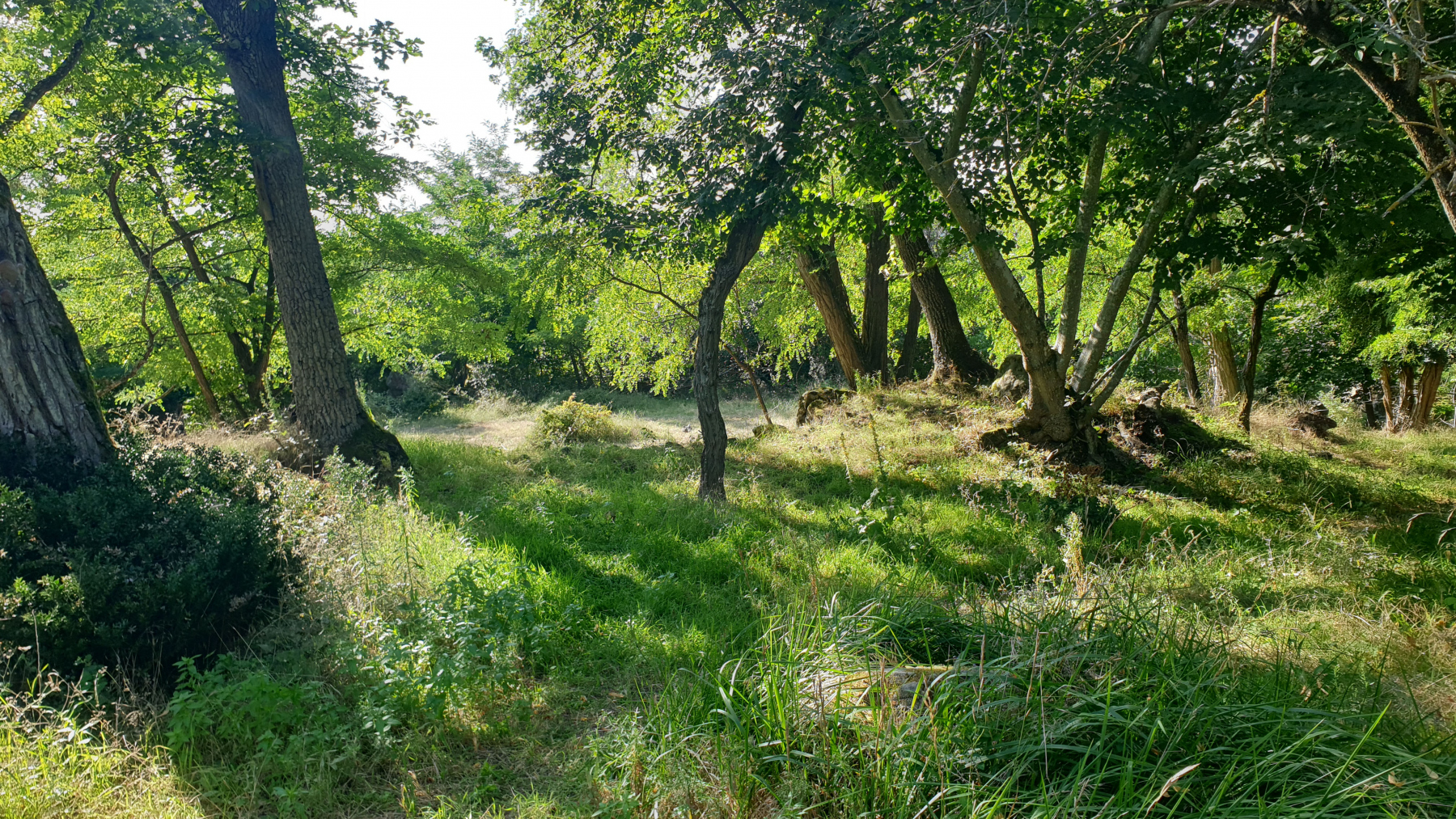
The Mare aux Evées Pond is an artificial body of water in the Fontainebleau forest created from scratch by man. This part of the forest was previously a vast swamp full of wildlife. The pond’s name comes from “euvea,” a place where birds and snakes lay their eggs; you can see ducks and frogs swimming along. The first trail of this hike has been designed to be wheelchair accessible. The paths have been stabilized but not paved. The dirt road surrounding the water is accessible except for a rocky section to avoid. Man-made, the ditches are in the forms of stars and the slopes are lined with oaks, firs, spruces, and cypresses. You can enjoy a picnic at the edge of the Evées pond in a quiet area.
The Samois sur Seine Promenade is along the Seine River on the other side of Fountainbleu Forest and is on a dirt road that is suitable for people with limited mobility and wheelchair users. If you park your car at Fontaine le Port which goes along the path there are some very beautiful houses and it is never far from the water.
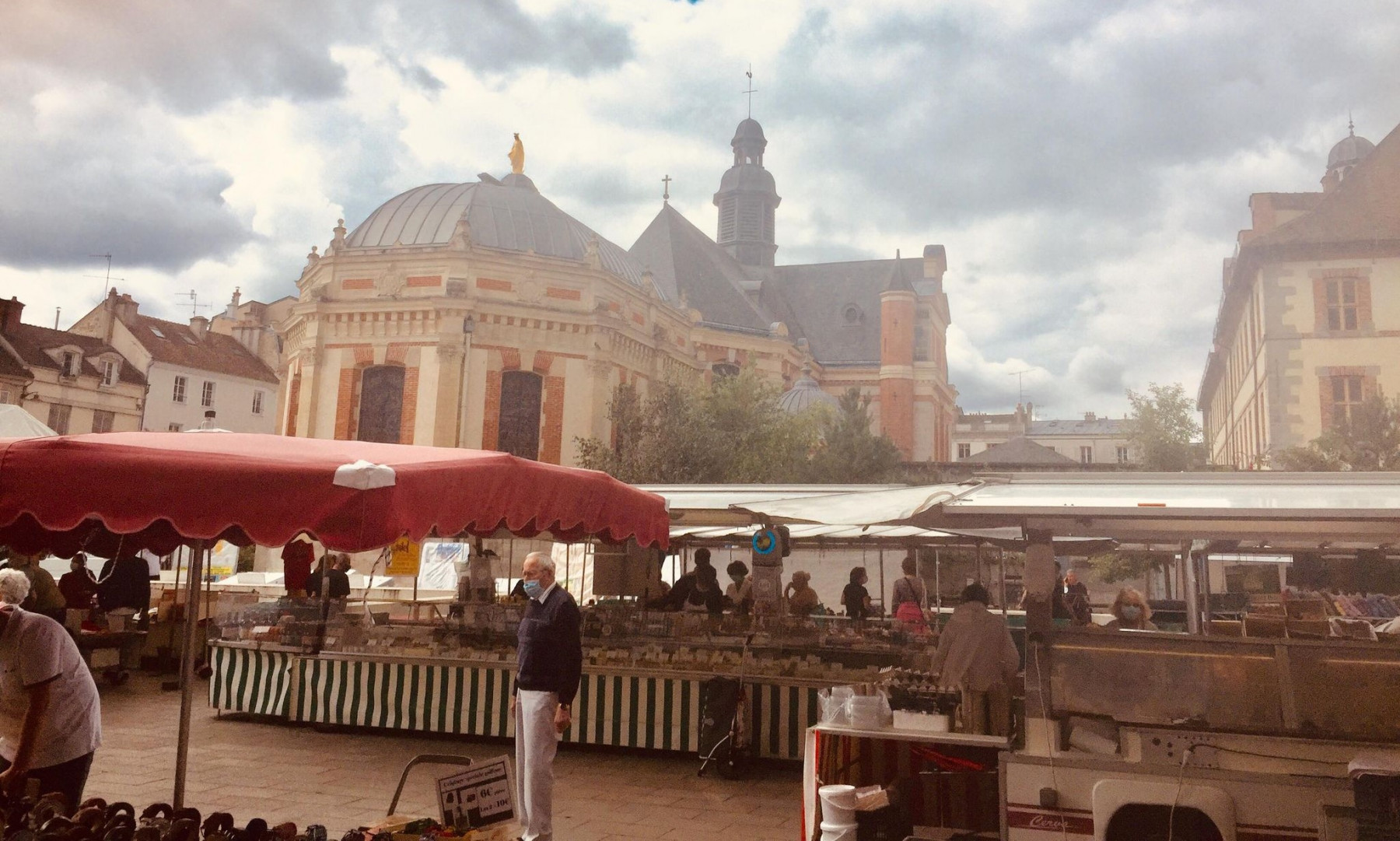
The Fountaibleau Market is open on Tuesday, Thursday, and Sunday and is located in a big, accessible open plaza alongside some cafes. The market is full of people shopping for fresh produce, cheeses, meat, seafood, bread, pastries, clothes, and crafts.
The Grand Parquet, on the edge of the Fontainebleau Forest, is an event site welcoming all types of events: equestrian competitions, trails, running races, festivals, and hosting seminars and meetings. It is only accessible from the stands. The path is difficult. Equestrian competitions at The Grand Parquet are particularly popular.
Public transportation is improving but there are many constraints and it’s complicated. Disabled people have priority if they have one of the following cards: disability card or painful standing card. The SNCF “Accès Plus” service provides you with a welcome and support service to enable you to travel and move more easily in stations and trains. This free service is available at train stations in Paris, and be sure to book 48 hours in advance. Contact Accès Plus by phone: (no surcharged) from 8 am to 8 pm 7 days a week.
If you want to get to Fontainebleau by public transport, use the train* service called Transilien, from the Gare de Lyon Station in Paris to the Fontainebleau-Avon Station. The Fontainebleau-Avon Station is considered accessible because they have installed two elevators for disabled people, and wide gates for wheelchairs and strollers to enter through. Some trains are not adapted to the height of the platform. From this train station use bus line #1 toward L’Etape, which is wheelchair accessible, to take you into the center of Fontainebleau.
Note: A master plan to make train stations accessible specific to the Paris region is underway. The gradual renovation includes a range of dedicated spaces with 4 places for people in wheelchairs per train and accessible toilets. The reserved seats for people with disabilities are located in first class with a second class ticket. To take advantage of an equipped seat and obtain automatic assistance in stations, you must book at least 24 hours before the train’s departure, or by phone when booking. This is a smart idea when it is too great of a distance between the train and the platform and portable ramps are not sufficient, then a special lift apparatus enables people in wheelchairs to board easily.
To stay in Fontainebleau for one week and visit the surrounding cities you will need a car. You can rent a car from Wheeliz, the most known rental website specializing in disability-adapted cars for wheelchair users. The Marché underground parking lot was completely renovated in 2016 and is a great location in the town center of Fontainebleau. The parking spaces are tight but there is direct access to the market and Fontainebleau’s shopping streets with many restaurants. It is also not far from the Château.
Many travelers visiting Fountainbleu prefer to stay in the small, quaint hotels or former private mansions dating from the 18th century but these hotels are not fully accessible yet. The 3-star Campanile or the Ibis are modern and clean hotels located in the center of Fountainbleu and are fully accessible with lowered beds and roll-in showers. Furthermore, the Campanile has a reservation form with a “special request” box. Make sure to mention that you need an accessible room.
What better vacation to take than to go on a trip to discover a heavenly region of France full of castles, nature, quaint villages, and history. The best-known areas of the world are not necessarily the most beautiful. In Seine-et-Marne, you will learn the history and discover the exquisite natural beauty of France.
About Insane Wayne Insane Wayne is a comedian and speaker based in California, known for…
Accessible cruising can open the door to a memorable and relaxing vacation, but the details…
For many wheelchair users visiting the United States, renting a wheelchair-accessible van can make the…
Travel has long been recognized as a powerful way to experience the world, learn about…
Disclosure: This article highlights products that may be helpful for wheelchair travelers. WheelchairTraveling.com received a…
In late 2024, the U.S. Department of Transportation (DOT) finalized a rule focused on wheelchair…
This website uses cookies.





View Comments
Very nice article that really relate the Fontainebleau city and all the nice places to visit.
I really encourage you to visit the castle and have a walk in the forest.
This is a charming city where you will enjoy friendly time, stop for a drink or have nice time in the various restaurants.