
Carlos Murillo doesn’t believe disability has to limit adventure, purpose, or possibility, and he’s spending his 30s proving it.
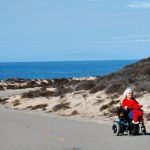
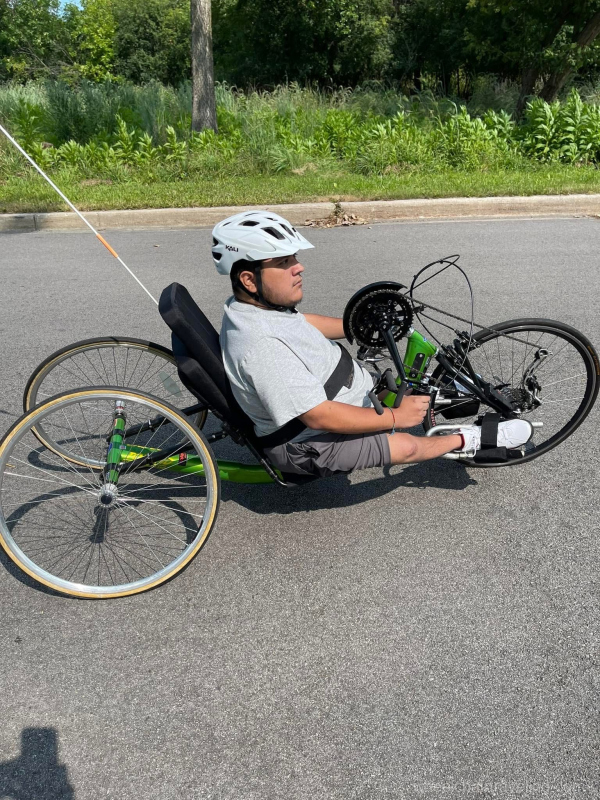
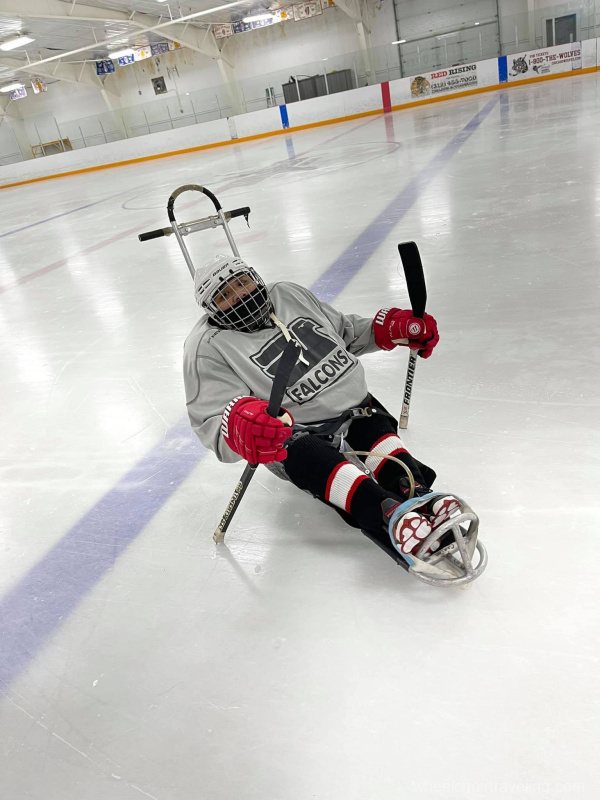
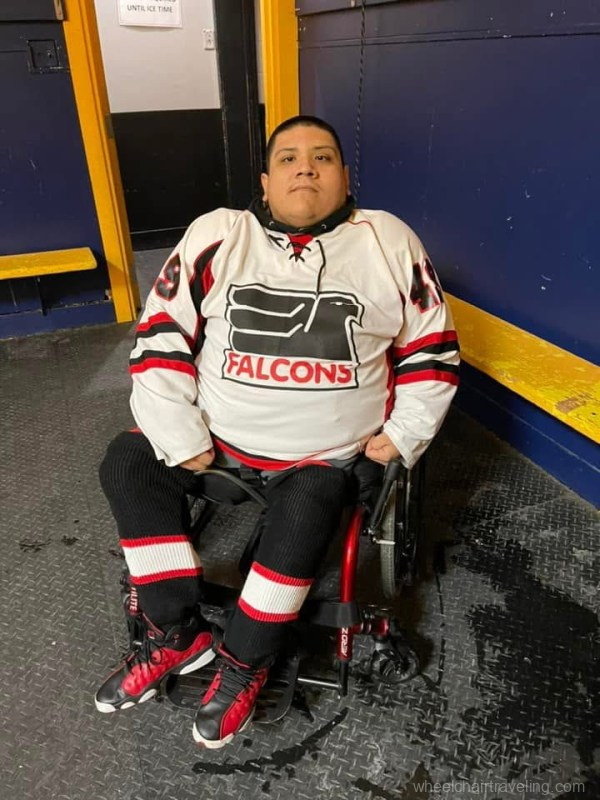
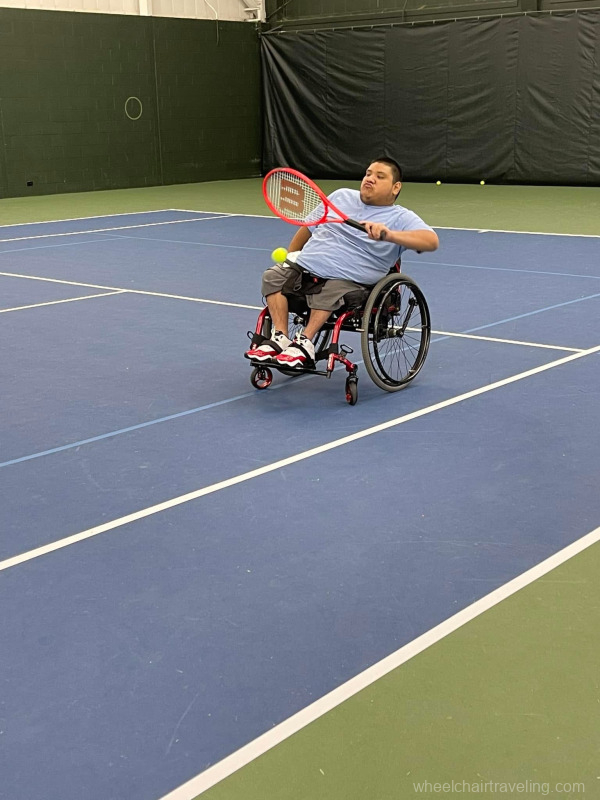
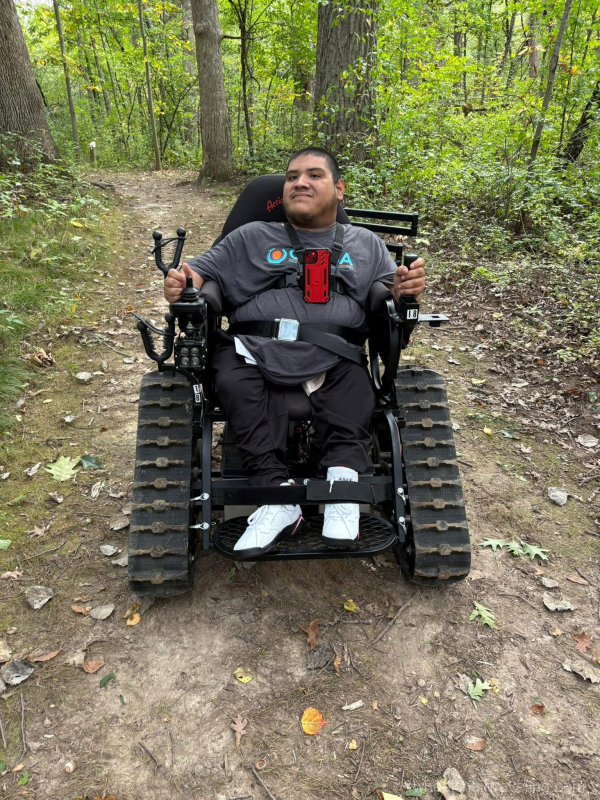
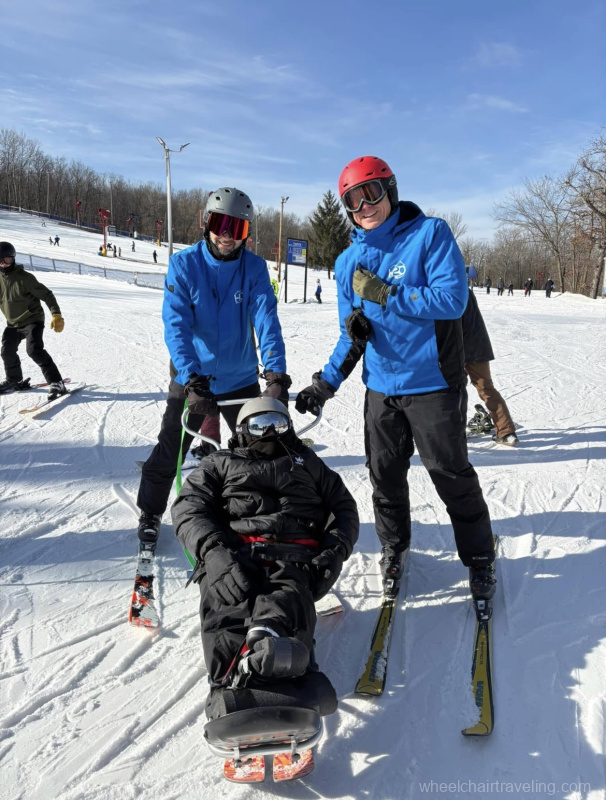
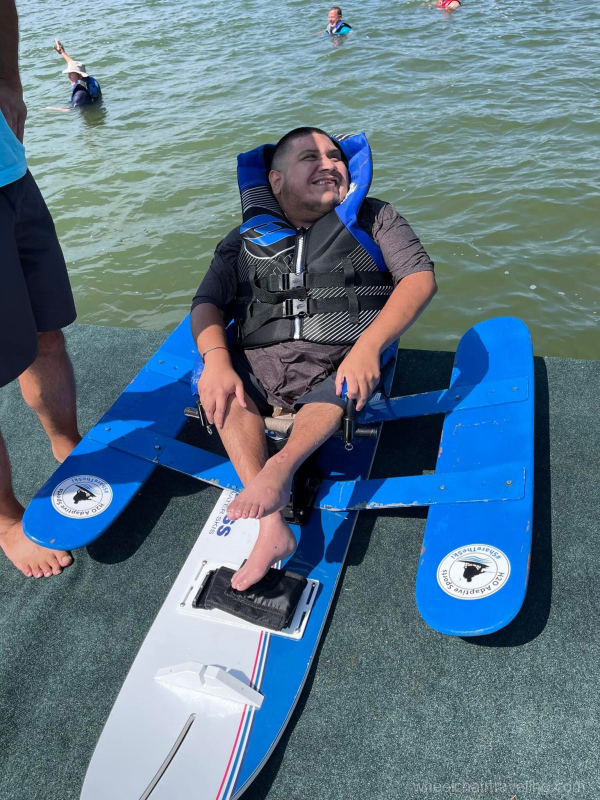
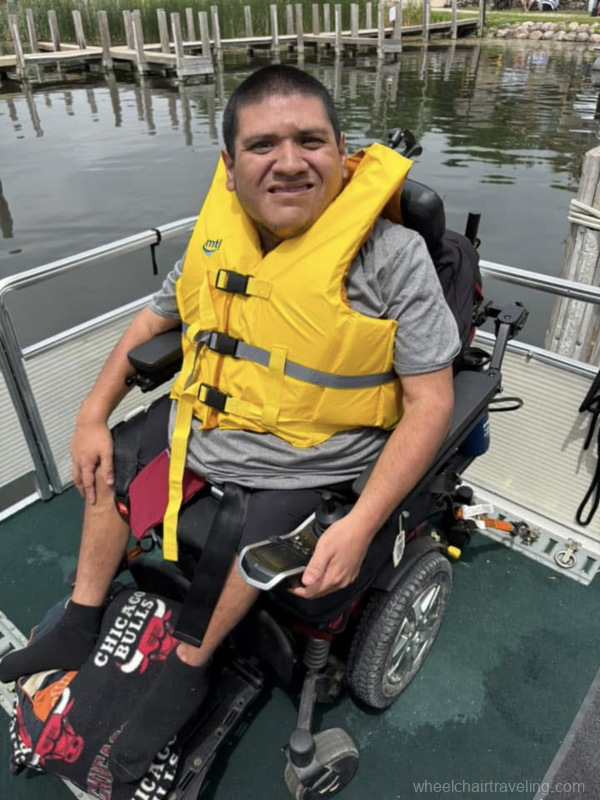
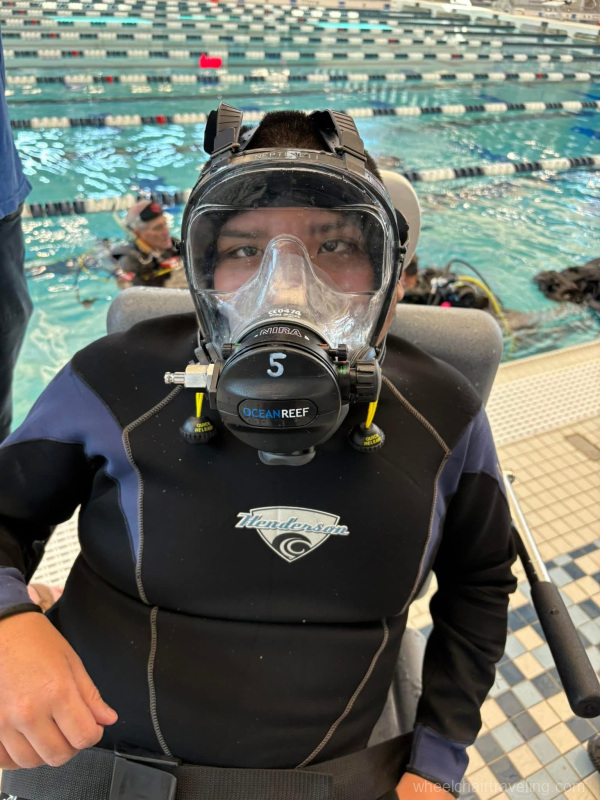
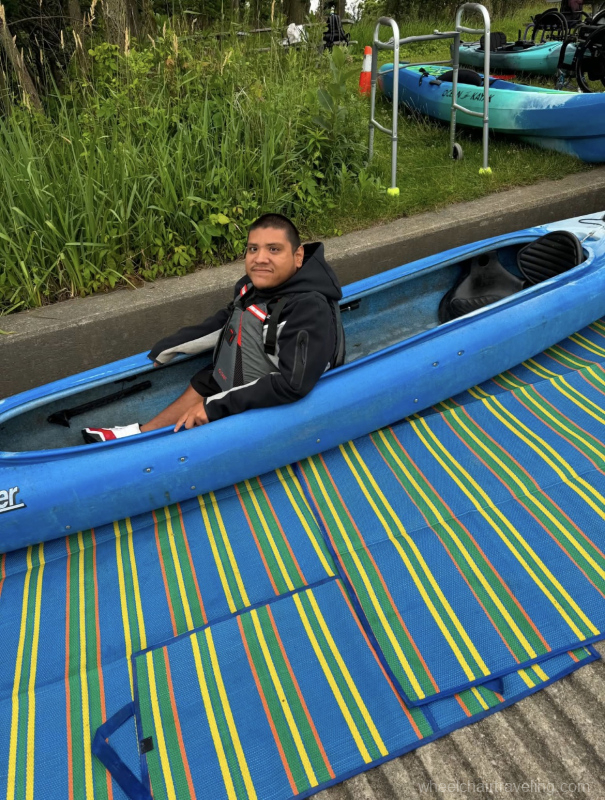
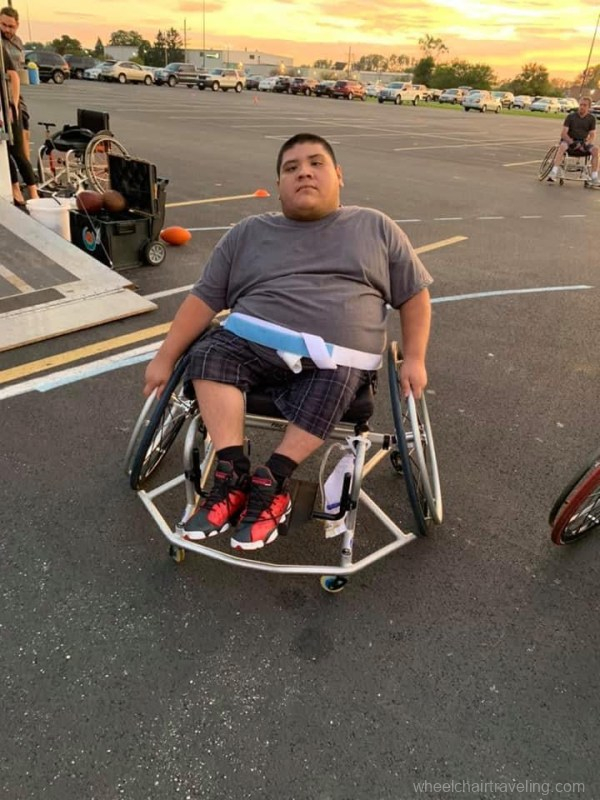
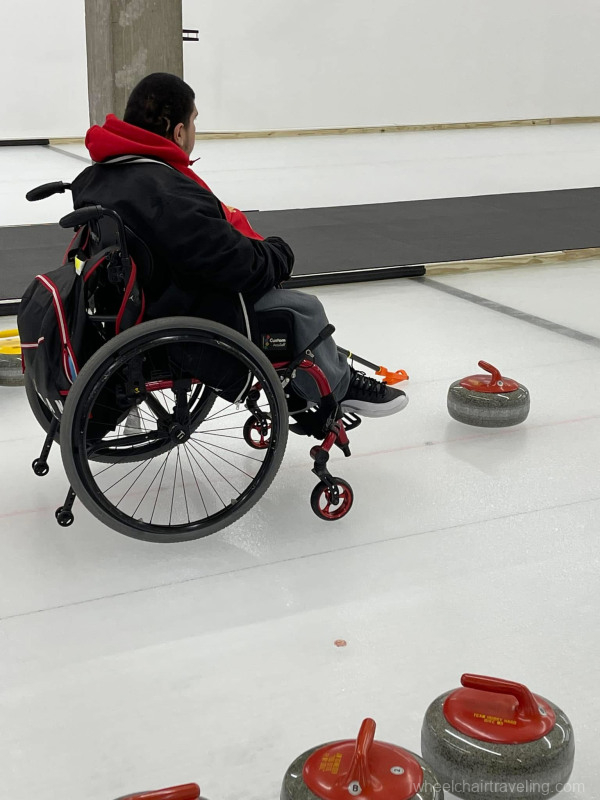
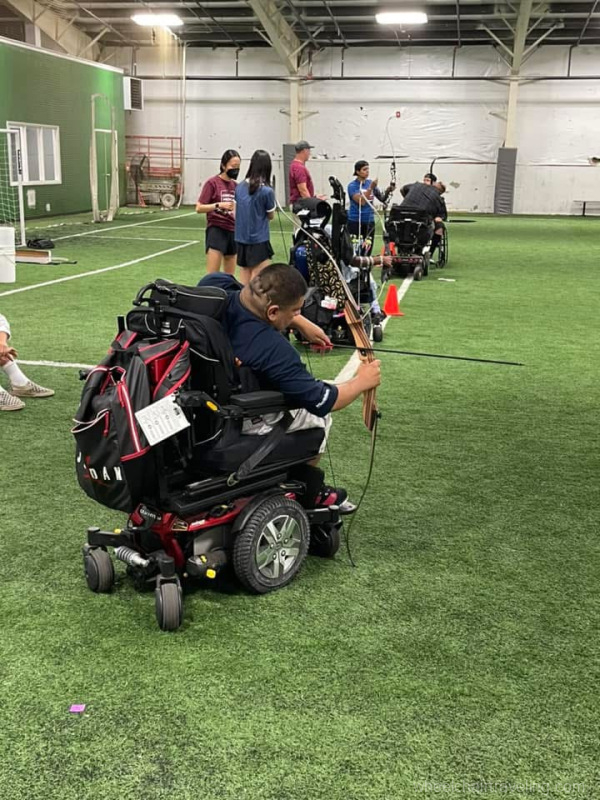
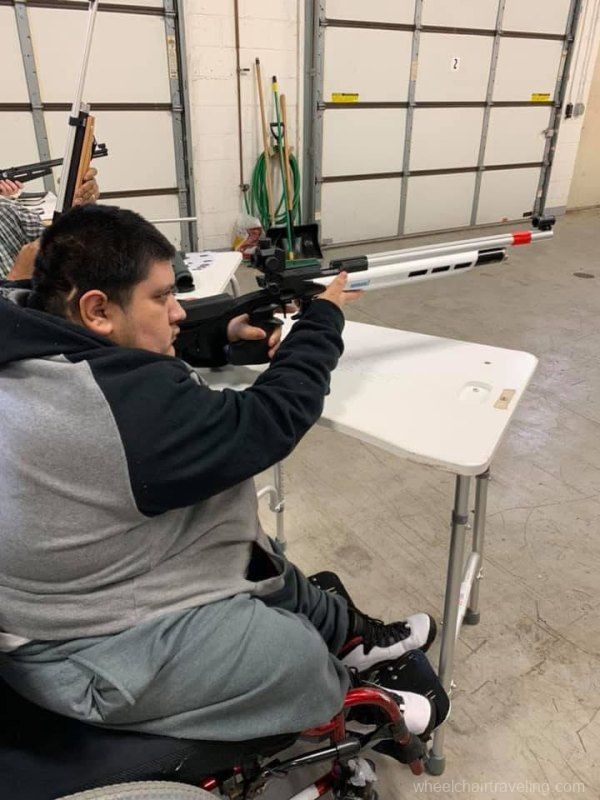
Carlos is a 32-year-old wheelchair user from Illinois. He was born with spina bifida, a spinal birth defect, and got his first wheelchair when he was three years old. Since then, he has gone zip-lining, waterskiing, kayaking, snow skiing, scuba diving, go-kart racing, sled hockey, wheelchair rugby, archery, horseback riding, and rock climbing, and he’s still chasing the next challenge.
His bucket list is just as ambitious: NASCAR experiences, supercar rides, adaptive paragliding, helicopter flights, parasailing, adaptive surfing, whitewater rafting, adaptive mountain biking, and international travel. Along the way, he’s also been checking off stadiums across pro, college, and minor league sports.
For Carlos, it all comes down to adaptive sports, accessible travel, determination, and refusing to let obstacles define what’s possible. We talked with him about how it started, what he’s learned, and what’s next.
Origin Story and Mindset
Q: What led you to start pursuing this variety of adaptive sports? Was there a specific turning point?
Carlos: I started adaptive sports in 2007 at a Christmas party, playing basketball with GLASA Adaptive Sports.
Q: How did the “bucket list into a mission” mentality take shape — was it instant or gradual?
Carlos: The bucket list started about two years ago because there were a lot of things I wanted to do. I just didn’t know how to go about it, so that’s why I made my bucket list.
Q: What does adventure mean to you now compared to before you started this journey?
Carlos: It means a lot, because I’m finding so much more in my 30s than I ever did in my 20s.
Q: Was there a moment early on where you doubted this path, and what got you past it?
Carlos: I don’t have doubts or regrets. I have lessons!
Adaptive Sports
Q: Of everything you’ve tried — zip-lining, sled hockey, rock climbing, scuba diving, wheelchair rugby — what surprised you most?
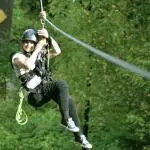
Carlos: Zip-lining, because I didn’t think there was an adaptive program out there.
Q: Which sport pushed your limits (physical or mental) the hardest, and why?
Carlos: Cycling was hard because going uphill was very challenging. Pushing a bike uphill is not the greatest.
Q: How does adaptive equipment or technique differ across such different sports? What’s the learning curve like each time?
Carlos: I really don’t have any techniques! It just takes a few tries to get the hang of each sport.
Q: Is there a sport you tried once and knew immediately you’d keep doing, or one you were surprised to fall in love with?
Carlos: Zip-lining, para-motoring, and waterskiing.
Q: What does a program like GLASA, H2O Adaptive Sports, Diveheart, Shirley Ryan, or Wisconsin Adaptive Ski actually look like on day one for a newcomer?
Carlos: It’s actually really fun when you start interacting with different athletes and trying different sports.
Bucket List and What’s Next
Q: Why NASCAR and adaptive paragliding specifically — what draws you to those next?
Carlos: I love the adrenaline rush they give me.
Q: Of the remaining list — supercar rides, parasailing, adaptive surfing, whitewater rafting, adaptive mountain biking — which are you most excited or nervous about?
Carlos: I’m excited about supercar rides and parasailing, and nervous about adaptive surfing and whitewater rafting.
Q: How do you decide what goes on the list versus what stays a passing thought?
Carlos: I look at the pros and cons, and also at what looks more appealing to do.
Q: Once you check something off, how do you decide what replaces it?
Carlos: Just by searching the web and thinking of new ideas.
Sports Fandom and the Stadium Tour
Q: You’ve hit venues across MLB, NHL, NBA, NCAA, minor league baseball, rugby, and NWSL — what got this stadium-collecting habit started?
Carlos: I really love sports, so honestly, I just wanted to go to as many stadiums as possible.
Q: Minor league ballparks show up again and again on your list (Kenosha, Schaumburg, South Bend, Midland, San Antonio) — what draws you to minor league games specifically?
Carlos: The cost of the games. I also usually email the teams to ask for complimentary tickets.
Q: Is there a venue that stood out for getting accessibility right? One that surprised you by falling short?
Carlos: The Schaumburg Boomers’ stadium.
Q: Any stadium still on your list?
Carlos: There are a lot on the list. I couldn’t pick just one.
Accessible Travel
Q: You’ve covered California, Texas, Florida, Michigan, Indiana, Minnesota, Wisconsin, Mexico, and Canada — how does trip planning change for you as a wheelchair user?
Carlos: There is a lot of planning involved, such as hotels and accommodations, transportation, and wheelchair-accessible things to do.
Q: Was there a destination that impressed you with its accessibility, and one that fell short?
Carlos: Texas and California stood out the most accessibility-wise. The country that fell short was Mexico, just because of the cobblestones.
Q: Any travel mishap you can laugh about now?
Carlos: Not that I can think of.
Q: What’s your personal checklist before committing to a new venue or destination?
Carlos: I don’t have a personal checklist. I just really want to go skydiving.
Q: What do you wish accessible travel resources told people that they usually don’t?
Carlos: That not everything is wheelchair accessible.
Q: What’s your go-to advice for a wheelchair user nervous about their first solo trip?
Carlos: Just do it. Be fearless.
Q: Where’s next on your travel list, and why?
Carlos: I’m going on a cruise to Honduras, the Bahamas, and Mexico next year.
Advocacy and Message
Q: What do you wish more people understood about accessibility in adventure sports?
Carlos: That it is out there; you just have to look for it.
Q: What’s your message to someone newly using a wheelchair who thinks their adventurous days are over?
Carlos: Don’t be afraid to try new things. Just send it.
Q: How do you want this journey to change perceptions — for able-bodied people, or for other wheelchair users discovering these programs for the first time?
Carlos: I want people to see that they can go out there and try new things.
Q: For someone who doesn’t know where to start, how would you explain finding an adaptive sports program in their area?
Carlos: Just start searching the web. Eventually, you will find something.
Personal
Q: Who or what keeps you motivated when a new sport feels intimidating?
Carlos: My coaches and myself, because giving up is not an option.
Q: What’s a moment from one of these experiences that stuck with you emotionally, not just physically?
Carlos: Zip-lining, because I thought I would never get to do it since I couldn’t find an adaptive program.
Q: Looking at everything you’ve done so far, what are you most proud of?
Carlos: I’m proud of everything I’ve done. If I weren’t, I wouldn’t have done it.
Q: What would you tell yourself at the very start of this journey, knowing what you know now?
Carlos: That a lot of things are possible. You just have to work for them.
Last updated on October 1, 2026