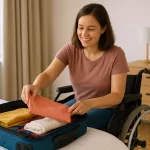

Travel has long been recognized as a powerful way to experience the world, learn about new cultures, and connect with people. Yet for many travelers with disabilities, finding reliable accessibility information remains one of the biggest barriers to exploring new destinations.
WheelchairTraveling.com was created to help fill this gap by providing detailed accessibility insights and real-world travel experiences for people with mobility disabilities.
A Growing Population of Travelers With Mobility Needs
Around the world, millions of people live with disabilities, and aging populations are increasing the number of travelers who benefit from accessible environments. In the United States, the Administration for Community Living reports that more than 10,000 people turn 65 every day.
Accessible tourism supports not only people who use wheelchairs but also travelers who use walkers, canes, scooters, or who simply benefit from easier-to-navigate environments.
Accessibility Benefits Many Types of Travelers
- travelers with disabilities
- older adults
- families traveling with strollers
- people recovering from injuries
- travelers carrying luggage
Features such as step-free entrances, wide pathways, elevators, and accessible transportation make destinations easier to navigate for everyone.
Travelers With Disabilities Represent a Major Market
Travelers with disabilities represent one of the largest underserved tourism markets in the world. In the United States alone, travelers with disabilities spend nearly $50 billion per year on travel.
Globally, people with disabilities represent a significant consumer market, controlling an estimated $2.6 trillion in disposable income across North America and Europe.
Many Travelers With Disabilities Travel With Companions
Research from the Open Doors Organization shows that many travelers with disabilities travel with companions or support persons. This means accessible tourism often brings multiple visitors to a destination rather than just one traveler.
Clear Accessibility Information Matters
Travelers frequently need to know details such as:
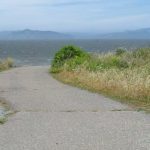
- whether paths are paved or gravel
- the slope of trails or walkways
- restroom accessibility
- parking proximity
- transportation options
Providing clear accessibility information helps travelers make confident decisions and reduces the stress of planning.
Accessible Outdoor Recreation
Many travelers also seek nature experiences such as parks and trails. Guides covering accessible outdoor recreation help travelers understand terrain conditions, trail surfaces, and other real-world accessibility factors.
Moving Forward
Accessible tourism is not only about removing barriers—it is about creating opportunities for people of all abilities to explore, connect, and discover new places.
If you would like to learn more about accessibility travel resources or share a destination, feel free to contact Ashley.
Last updated on March 9, 2026