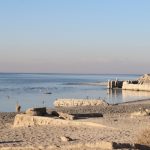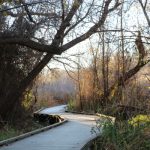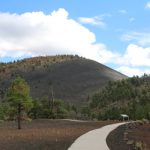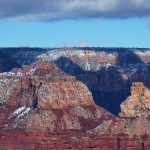

Death Valley National Park is one of the most extreme and visually striking landscapes in the United States. Known for its salt flats, colorful badlands, desert canyons, and wide-open roads, it may not seem wheelchair-friendly at first glance — but with planning, there are accessible experiences, scenic drives, short trails, developed facilities, and lodging options that make a visit possible for many wheelchair users.
Most visitors experience Death Valley by car, stopping at overlooks and short paths, which works well for wheelchair travelers. Accessibility varies widely across the park, and knowing what you’ll see, how far you’ll roll, road and surface conditions, where you can park, and where restrooms and services actually exist makes a significant difference.
Best Time to Visit
The best time to visit Death Valley in a wheelchair is late fall through spring (roughly October through April). Summer temperatures are often dangerously high and can affect both personal safety and mobility equipment.
Trails, Viewpoints & Attractions (Inside the Park)
1. Salt Creek Interpretive Trail
One of the only places in the park with flowing water, plant life, and wildlife, offering a close-up look at Death Valley’s rare wetland ecosystem.
- Distance: approximately 0.5 miles round-trip
- Surface: raised boardwalk, flat and firm with minimal vibration
- Elevation: no significant elevation change
- Parking: designated accessible parking at the trailhead
- Restrooms: accessible vault-style toilet near the trailhead
- Best time: winter or early spring when water may be present
2. Badwater Basin Salt Flats
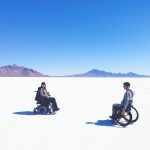
The lowest point in North America, with expansive salt flats and dramatic mountain walls rising sharply around the basin. While the salt surface looks uneven from a distance, many wheelchair users — including power wheelchair users — are able to roll comfortably beyond the pavement depending on conditions.
- Distance: no fixed distance; roll as far or as little as desired
- Surface: paved path transitions to firm, relatively smooth salt crust
- Parking: accessible parking spaces at the lot with a ramp leading down toward the basin
- Restrooms: vault-style restrooms at the parking area
3. Harmony Borax Works
A look into Death Valley’s borax mining history, including remnants of the 20-mule team era and wide desert views.
- Distance: approximately 0.4 miles
- Surface: packed dirt and gravel
- Elevation: minimal elevation change
- Parking: general parking area adjacent to the site (compacted dirt surface)
- Restrooms: vault-style restroom nearby
- Tip: best visited in dry conditions for firmer surfaces
4. Zabriskie Point
One of the park’s most iconic overlooks, known for sculpted badlands, layered hills, and dramatic light at sunrise and sunset. Often doable for power wheelchair users; difficult for many manual wheelchair users without assistance.
- Distance: approximately 0.2 miles one way from parking
- Surface: paved path
- Elevation: steep grade
- Parking: designated parking area close to the trailhead
- Restrooms: vault-style restrooms at the parking area
5. Mesquite Flat Sand Dunes Overlook
Mesquite Flat Sand Dunes offers expansive views of rolling sand dunes directly from the paved parking area. The dunes rise immediately beyond the lot, making this an excellent view-from-the-parking-area stop. While visitors can walk onto the dunes, the sand is deep and loose and generally not wheelchair accessible. Many wheelchair travelers enjoy the landscape visually without leaving the pavement.
- Access: short, paved access road off CA-190
- Vehicle access: suitable for all standard vehicles, including vans
- Parking: large paved parking lot
- Surface at overlook: paved and generally smooth
- Restrooms: vault-style restrooms at the parking area
6. Ubehebe Crater
A massive volcanic crater with dramatic scale and color, offering views straight down into the crater and across the surrounding desert landscape. The crater can be fully appreciated from near the parking area. Trails descending into the crater and along the rim are steep, uneven, and not wheelchair accessible. Many wheelchair users choose to remain near the paved parking area and viewpoint.
- Distance: views available directly from the parking area
- Surface: paved parking area; dirt and gravel paths around the rim
- Elevation: generally flat near the parking area
- Parking: general parking area close to the crater; accessible parking may be available but is not always clearly marked
- Restrooms: vault-style restrooms at the parking area
7. Wildrose Charcoal Kilns
Ten beehive-shaped stone kilns built in the 1870s to support mining operations — one of Death Valley’s most distinctive historic features, located at higher elevation.
- Distance: short distance from parking when road access is open
- Surface: dirt paths around the kilns
- Parking: small general dirt parking area when accessible; no designated accessible parking spaces
- Restrooms: none at the site
Note: Road access to the Charcoal Kilns is frequently closed due to flood damage, washouts, ice, snow, and ongoing repairs. There is no predictable seasonal schedule for reopening. Even when lower elevations of the park are warm, this road may remain closed. Always check current conditions with the National Park Service or at the Furnace Creek Visitor Center before attempting to visit.
8. Dante’s View
One of the most dramatic viewpoints in Death Valley, offering a sweeping overlook of the valley floor, Badwater Basin, and surrounding mountain ranges from above. Most views can be enjoyed from near the parking area. Surfaces beyond the paved lot are uneven and rocky, so many wheelchair users choose to remain near the parking area.
- Distance: viewpoint accessed directly from parking
- Surface: paved parking area; uneven natural rock and dirt near the viewpoint edge
- Elevation: very high elevation; significantly cooler than the valley floor
- Parking: general parking area near the viewpoint; no clearly marked accessible parking spaces
- Restrooms: none
9. Keane Wonder Mine
A well-preserved historic gold mine site with visible mining structures, ruins, and expansive desert views that provide insight into Death Valley’s mining history. Some wheelchair users may be able to explore portions of the site near the parking area, particularly with power wheelchairs or assisted mobility devices. Surfaces become rougher and more uneven farther from the main structures.
- Distance: short distance from parking to the main mining structures
- Surface: packed dirt and gravel with uneven areas
- Elevation: minimal elevation change near the main viewing area
- Parking: general dirt parking area near the site; no designated accessible parking spaces
- Restrooms: none
10. Golden Canyon (Partial Access Possible)
Golden Canyon is one of Death Valley’s most popular canyon hikes, known for its colorful rock walls and dramatic light that shifts throughout the day. The trail begins relatively open before narrowing and becoming more uneven as it moves deeper into the canyon.
- Surface: packed dirt, sand, and gravel with uneven sections
- Grade: gradual at first, then increasingly rocky and narrow
- Parking: paved parking area nearby
- Restrooms: vault-style restrooms at the parking area
Note: Golden Canyon is not wheelchair accessible. However, under dry conditions, some wheelchair users with power assistance or mobility support may be able to travel a short distance into the canyon, often a few hundred feet and sometimes up to approximately 1,000 feet depending on conditions, equipment, and comfort level. The trail becomes narrower and less stable the farther you go. Many wheelchair users choose to explore briefly and then turn back when the surface changes.
11. Marble Canyon (Partial Access Possible)
Marble Canyon offers a quieter canyon experience with wide desert views, layered rock formations, and a more open feel than Golden Canyon. The trail follows a desert wash that begins gently before transitioning into looser and more uneven terrain.
- Surface: dirt, sand, and gravel with wash-like sections
- Grade: generally gentle at first, then increasingly uneven
- Parking: dirt parking area near the trailhead
- Restrooms: none directly at the trailhead
Note: Marble Canyon is not wheelchair accessible, but under favorable conditions, some power wheelchair users or those using assisted mobility devices may be able to travel a short distance into the wash. Surface firmness varies significantly with weather, and sandy or rocky sections can become challenging quickly. As with Golden Canyon, accessibility here is highly individual and dependent on recent conditions.
Scenic Drives (Highly Recommended)
Much of Death Valley’s beauty is accessible directly from the road. Scenic drives allow visitors to experience dramatic desert landscapes without long walks or extended exposure. Road conditions vary, and knowing whether a drive is paved or dirt — and what pullouts are like — can help visitors plan comfortably, especially those traveling in vans or lower-clearance vehicles.
1. Badwater Road
Badwater Road connects several of the park’s most accessible highlights, including Badwater Basin and Devil’s Golf Course. Most stops are immediately adjacent to parking areas.
- Road type: fully paved
- Vehicle access: suitable for all standard vehicles, including vans
- Pullouts: frequent, paved or well-maintained pullouts at major stops
- Surface at pullouts: paved or compacted and generally firm
2. Devil’s Golf Course
Devil’s Golf Course is a dramatic salt-encrusted landscape made up of jagged, crystallized salt formations. The terrain itself is extremely rough and not wheelchair accessible, but this is intended as a view-from-the-parking-area stop.
- Road type: unpaved dirt and gravel road off Badwater Road
- Vehicle access: often passable for standard vehicles in dry conditions; may be uncomfortable for vans or low-clearance vehicles
- Pullouts / parking: dirt and gravel parking area at the end of the road
- Surface at pullouts: compacted dirt and gravel; uneven and rocky in places
- Restrooms: none on site
3. Artists Drive
Artists Drive is a one-way scenic loop featuring colorful volcanic hills. While the road is paved, it is narrow with limited shoulder space. Vans are common, but drivers should be comfortable with winding mountain roads.
- Road type: fully paved (one-way scenic loop)
- Vehicle access: suitable for most vehicles; narrow and winding in places
- Pullouts: multiple designated paved pullouts, including a larger paved parking area at Artist’s Palette
- Surface at pullouts: paved or compacted and generally smooth
4. 20 Mule Team Canyon
This narrow, one-way canyon drive passes through layered sedimentary rock. Vans may be able to drive it in good conditions, but drivers should be comfortable with dirt roads and tight turns. Always check current conditions before entering.
- Road type: dirt road
- Vehicle access: passable for many standard vehicles in dry conditions; not recommended after rain
- Pullouts: informal roadside areas rather than designated pullouts
- Surface at pullouts: dirt and gravel; firmness varies
Facilities, Food & Services (Inside the Park)
Death Valley is vast, services are spread out, and reliable flush restrooms are limited. Planning food, fuel, and restroom stops ahead of time makes the visit far easier, especially for wheelchair travelers. Outside of the developed hubs listed below, most overlooks, trailheads, and scenic stops rely on vault-style restrooms, which may be usable but sometimes have packed dirt approaches, tighter layouts, and limited turning space. When possible, plan restroom and meal stops around Furance Creek or Stovepipe Wells before driving to more remote areas.
1. Furnace Creek (Primary Hub)
The Furnace Creek area is the main services hub inside Death Valley National Park and the most reliable place to find food, fuel, and accessible restrooms.
The Furnace Creek Visitor Center includes indoor exhibits and a small museum, along with flush toilets that have accessible stalls. The building has close, level access from the parking area and is the best place in the park to confirm current road conditions and closures.
Food options in Furnace Creek are located at The Ranch at Death Valley and The Inn at Death Valley. Both properties typically have public restrooms with flush toilets available in common areas, which are often more accessible than standalone park restrooms.
A gas station is also located in Furnace Creek, making this the most dependable place to refuel before heading out to more remote areas of the park.
2. Stovepipe Wells (Secondary Hub)
Stovepipe Wells serves as a smaller but important services stop, particularly for visitors exploring the northern part of the park.
The Stovepipe Wells Village includes a restaurant and small general store. Flush toilets are available here, though restroom layouts can vary and may feel tighter than those at Furnace Creek. Accessible parking is available nearby.
A gas station is also located at Stovepipe Wells. Because services elsewhere in the park are limited, many travelers plan fuel stops around either Furnace Creek or Stovepipe Wells.
Nearby Attractions (Outside the Park)
1. Ash Meadows National Wildlife Refuge
Lush wetlands, rare wildlife, and a surprising contrast to Death Valley’s desert landscape with three wheelchair‐accessible boardwalk experiences in addition to parking and restrooms.
- Crystal Springs Boardwalk: This flat, wheelchair-accessible boardwalk is approximately 0.9 miles round-trip and begins behind the Visitor Center, leading to a vividly blue spring pool.
- Point of Rocks Boardwalk: A wheelchair-accessible loop of about 0.5 miles round-trip that winds through mesquite trees and leads to Kings Pool.
- Longstreet Spring & Cabin Boardwalk: A short, wheelchair-accessible boardwalk of around 0.2 miles round-trip that reaches the historic cabin and spring.
- Parking: parking available at the Visitor Center and at major boardwalk trailheads
- Restrooms: restrooms are located in front of the Visitor Center (flush toilets when open)
Located along Amargoa River in Tecopa, the China Ranch Date Farm is a long-standing desert stop known for date shakes, shaded picnic areas, and a cultivated oasis feel that contrasts with the surrounding desert.
- Road access: paved road that eventually transitions to dirt as you approach the ranch
- Parking: general parking area near the main buildings
- Surface: mixed — paved, compacted dirt, and uneven areas
- Trail note: There is a natural-surface trail on the property that some wheelchair users are able to do partially. Power wheelchair users or those using assisted mobility devices may be able to travel a portion of the trail depending on conditions.
- Restrooms: access is tight; two trash cans inside reduce turning space
- Accessibility varies depending on wheelchair type, size, and recent weather
3. Pizza & Beer Bar / Brewery (near China Date Farm turnoff)
Convenient roadside food (The Kit Fox Cafe) and drink option (Death Valley Brewing Co.) when traveling between Furnace Creek and nearby desert attractions.
- Located in a shared building along the road. The brewery is adjacent to the restuarant, and restroom at the end. Outdoor and indoor seating available.
- Restroom: Accessed via a tight hallway and generally limited turning space. A power wheelchair fit, but space is constrained. No roll-under sink. Usable, but not ideal for larger chairs or those needing more maneuvering room.
A surreal landscape of towering tufa spires rising from a dry lakebed, often compared to another planet located about an hour and a half from Death Valley. The area has been used as a filming location for movies and commercials due to its stark, otherworldly appearance. Some wheelchair users, particularly those using power wheelchairs or assisted mobility devices, may be able to explore limited areas near the parking spots depending on conditions. Surfaces can be rough, rutted, or soft in places, and conditions vary with weather.
- Distance: views available directly from parking; additional exploration is optional
- Road access: long dirt road with washboard sections and loose surfaces
- Surface: compacted dirt, gravel, and uneven lakebed terrain
- Elevation: mostly flat once on site
- Parking: general dirt parking areas near the pinnacles; no designated accessible parking spaces
- Restrooms: none (no vault or flush toilets on site)
Note: This is a remote Bureau of Land Management (BLM) site with no services, shade, or water. Visitors should come prepared and check conditions before attempting the drive.
Accessible Lodging & Accommodations
There are limited lodging options inside Death Valley National Park, and accessible rooms can book far in advance. Room layouts and bathroom configurations vary, so confirming details directly with each property before booking is strongly recommended.
1. The Inn at Death Valley (Furnace Creek)
Higher-end lodging with gardens, dining, and a quieter resort-style setting.
- ADA-accessible rooms available
- Accessible rooms with roll-in showers are available
- Level pathways in many areas
- On-site dining and accessible parking
- Confirm roll-in shower availability, bed height, and door widths directly with reservations
2. The Ranch at Death Valley (Furnace Creek)
More casual option with wider grounds, dining, and family-friendly amenities.
- ADA-accessible rooms and cottages available
- Some accessible rooms include roll-in showers
- Other accessible rooms have bathtubs
- Paved pathways throughout the property
- Distances between rooms, dining, and services can be long
- Confirm bathroom configuration and turning space before booking
3. Stovepipe Wells Village Hotel
Convenient base for exploring the northern end of the park.
- ADA-accessible rooms available
- One accessible room includes a roll-in shower
- Other accessible rooms have standard bathtubs
- Older facility with mixed accessibility
- Best for power wheelchair users or those comfortable with tighter layouts
- Strongly recommended to call ahead to confirm room features
4. Nearby Accessible Lodging (Outside the Park)
Many wheelchair travelers choose to stay outside the park for more predictable accessibility and easier access to services.
- Pahrump, Nevada
- Lone Pine, California
- Ridgecrest, California
Tips for Visiting Death Valley in a Wheelchair
- Bring extra water — distances between services are long
- Expect wide-open spaces with limited shade
- Power wheelchairs often handle distances and mixed surfaces better than manual chairs
- Cell service is limited — download maps ahead of time
- Plan restroom stops before setting out
Last updated on February 25, 2026