

My Story
In 2016, I was a healthy 13-year-old until the software in my brain suddenly crashed. Without warning, I was diagnosed with a severe case of Functional Neurological Disorder (FND).
Within days, I went from walking to being completely paralysed and unable to speak, feeling like a prisoner in a body that had stopped listening. I spent months in hospital, and I don’t really remember the early days of FND. Life before it is mostly a blur. For six months, my mind switched off and I didn’t know who or what anything was.
I was left suddenly and severely disabled, having all my abilities taken away from me.
I became bedbound, locked inside my own body and unable to even sit up without extreme pain. I couldn’t tolerate sitting in any form of equipment apart from my hospital bed. The only place I felt comfortable was on my bed. No wheelchair was suitable.
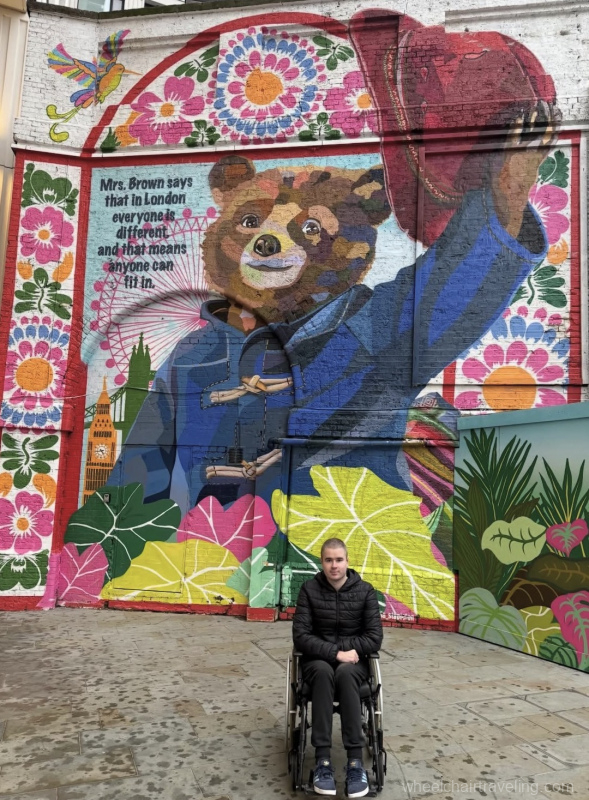
During those dark days, I found an unlikely spark of motivation: London.
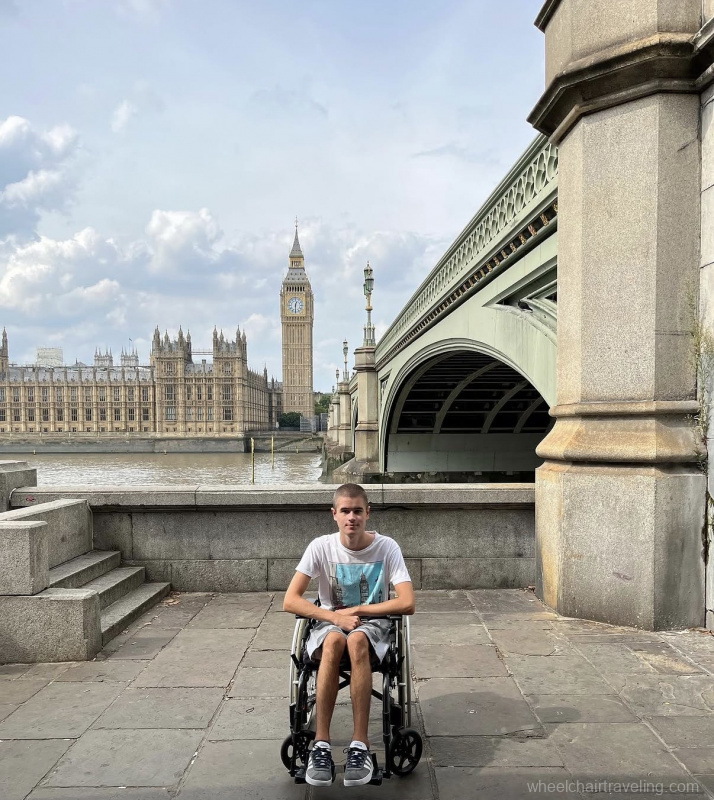
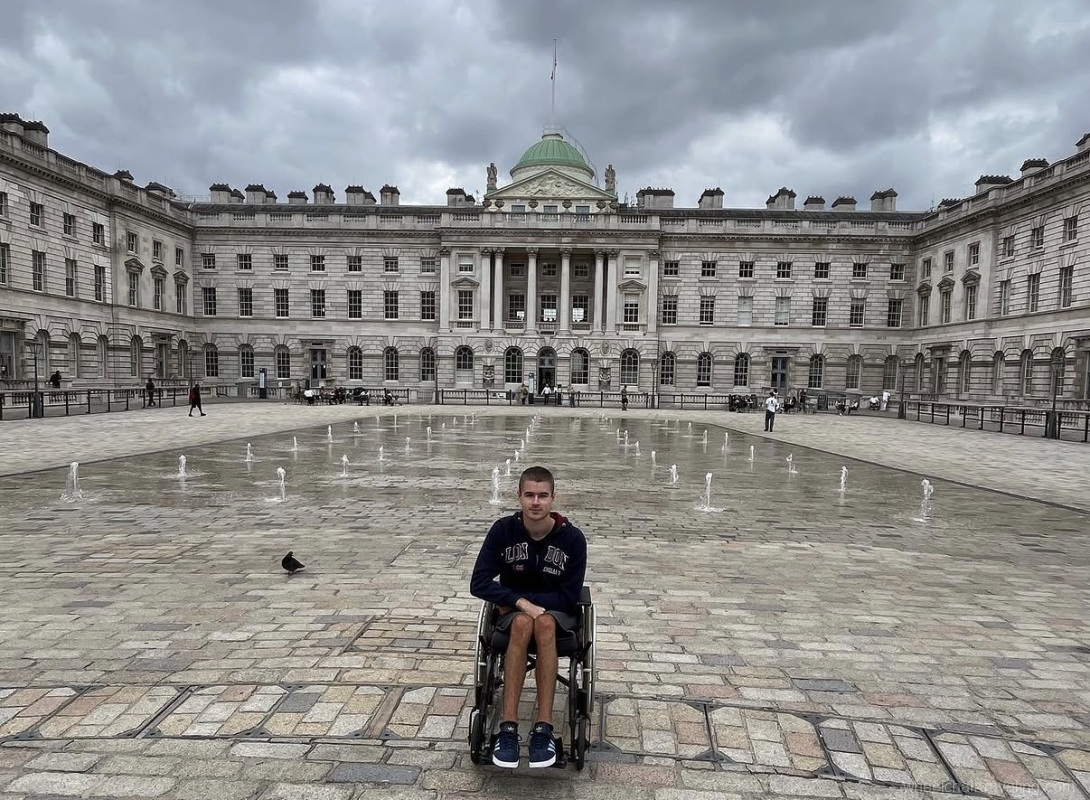
I promised myself that if I could find a way back, I would make it to the capital. This “London Dream” wasn’t just a holiday goal — it became a vital part of my rehabilitation.
Motivation as Medicine
Eventually, after three years, I was finally well enough to sit in my new wheelchair for the first time. It felt like stepping into a whole new world. Having a specific destination in mind changed my rehabilitation from a chore into a mission. It helped motivate me on the difficult days with my FND.
Practical London Tips: Attractions & Navigation
London is an ancient and historic city, but it is becoming one of the most accessible cities in the UK. Here’s what I learned on the ground:
- The Tube: Always use the step-free Tube map. The Jubilee Line is a goldmine for wheelchair users, as almost every station has lift access.
- Accessible Buses: Every London bus is low-floor with a ramp. It’s free for wheelchair users and often the easiest way to get between landmarks like the London Eye and Covent Garden.
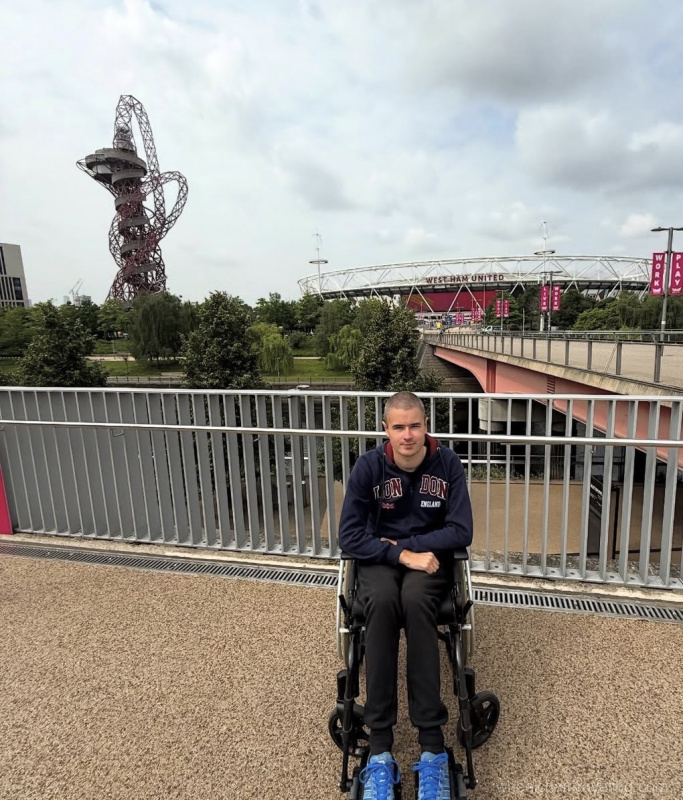
- The Olympic Park (Stratford): Because this area was built for the 2012 Paralympics, the accessibility is really good. The paths are smooth and flat, and the nearby Westfield Stratford City shopping centre has excellent Changing Places facilities.
- Greenwich: Take the Uber Boat by Thames Clippers down the river — they have roll-on, roll-off access and dedicated wheelchair spaces. Once in Greenwich, the Cutty Sark and the National Maritime Museum are almost entirely accessible, and the views of the skyline are incredible.
- Exhibition Road (South Kensington): This is home to the Natural History Museum and the Science Museum. The street itself was redesigned to be a shared space with no kerbs, making it a dream to navigate between some of the world’s best free museums.
- The South Bank: This is one of my favourite accessible parts of London. It’s flat, wide, and offers a perfect roll past Shakespeare’s Globe and Tate Modern with zero kerbs to worry about.
My Top 10 Wheelchair-Accessible London Areas to Explore
- Westminster
- Kensington
- Knightsbridge
- Camden
- Canary Wharf
- Stratford
- Greenwich
- Lambeth
- Battersea
- Vauxhall
120 Cities and Counting
London was just the beginning.
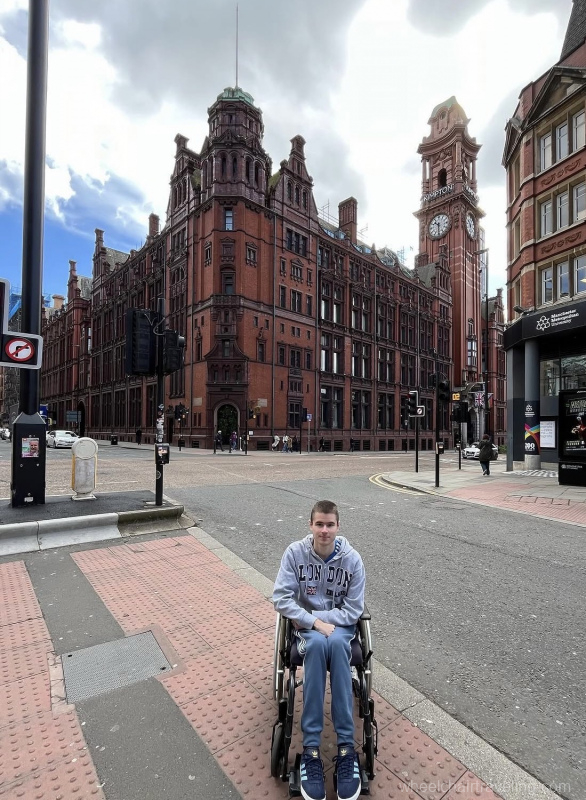
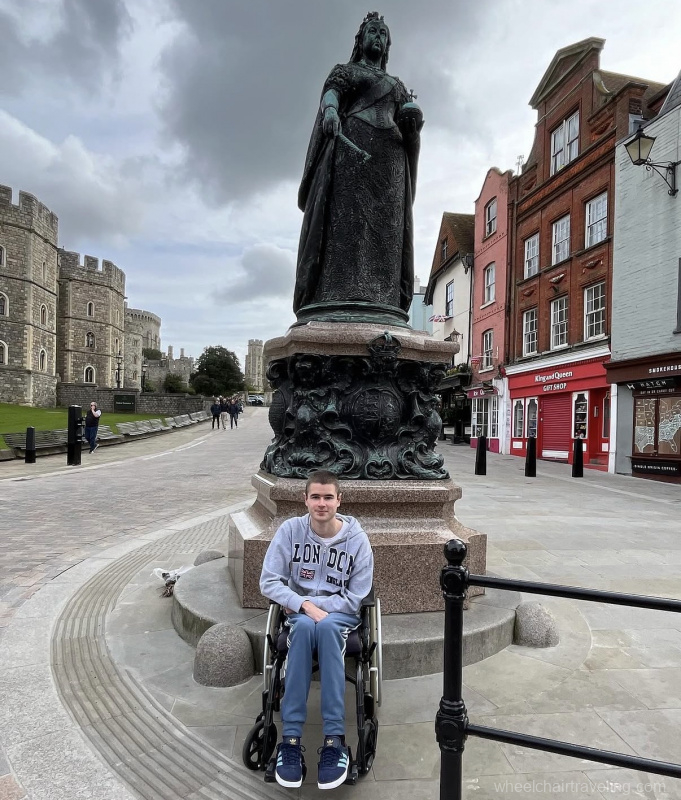
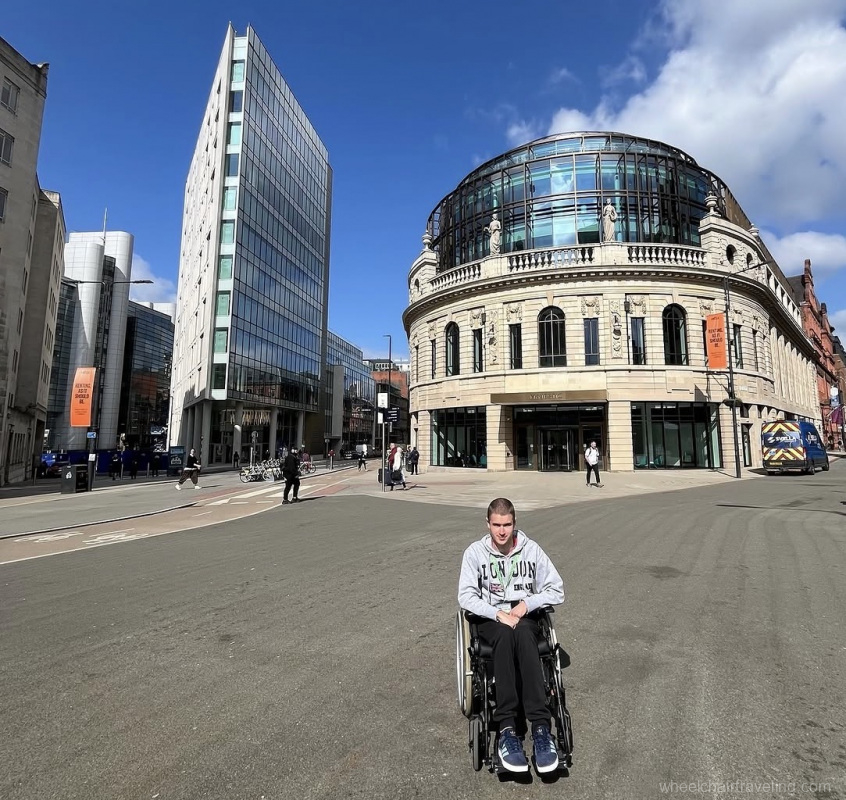
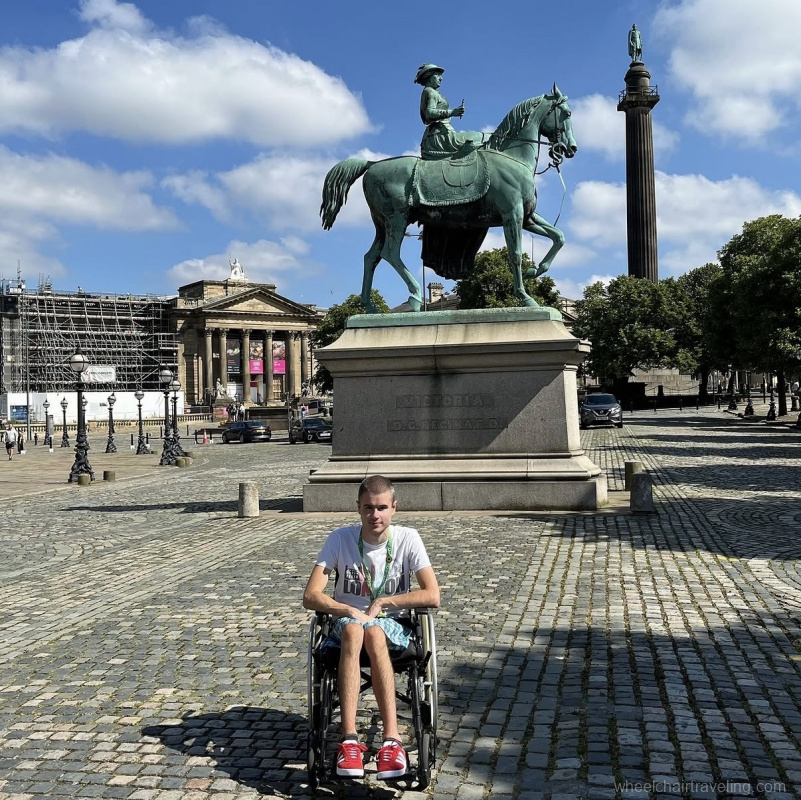
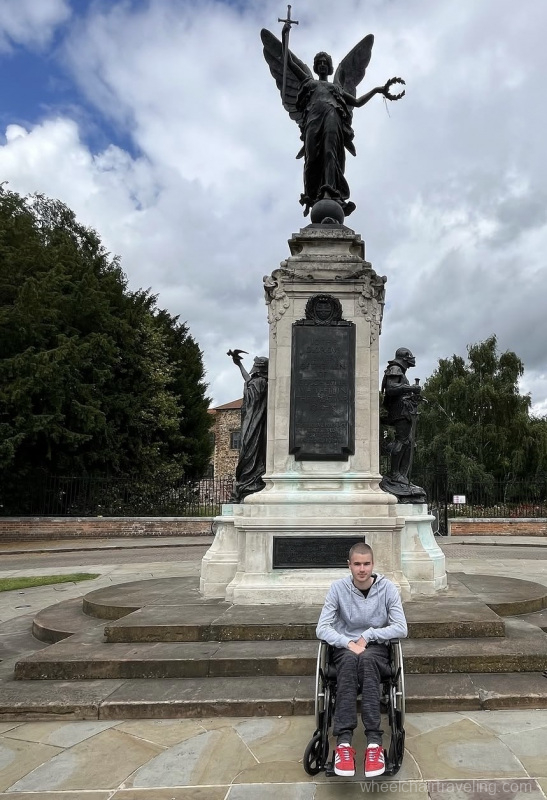
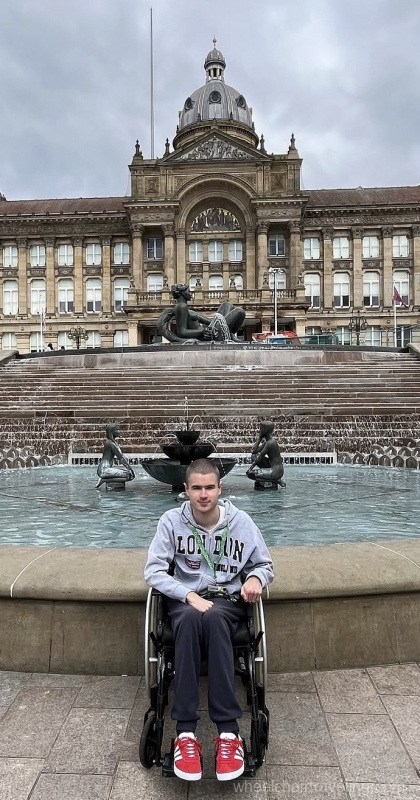
Since reclaiming my voice and my mobility, I’ve managed to visit more than 120 towns and cities across the UK. While London remains my favourite special place, I’ve also loved visiting places including Manchester, Leicester, Birmingham, Leeds, Liverpool, Edinburgh, Cardiff, Brighton, and many more. After being bedridden, I became determined to travel and see the world. My next goal is to travel abroad to Cyprus to connect with my heritage.
My journey has taught me that a wheelchair isn’t a barrier — it’s just a different way to see the world. It is a tool for freedom, a passport to independence, and the very thing that expanded my horizons when my universe felt so small.
Real barriers do not come from our wheels or our diagnoses; they come from steep steps, broken lifts, and a world that forgets to build with inclusion in mind. By sharing my story and advocating for better awareness of Functional Neurological Disorder, I want to prove that hope is a tiny spark that can survive even the darkest nights.
If we can change perspectives and build a more accessible future, anyone can find their way back from the edge and start making their own dreams a reality.
Follow my travel adventures on Instagram at @liamloveslondon
Last updated on May 11, 2026

Liam Virgo is a UK wheelchair traveler and accessibility advocate living with Functional Neurological Disorder. He has visited more than 120 towns and cities across the UK and shares his adventures on Instagram.