
This interview between Ashley Olson from WheelchairTraveling.com and Martin Heng, a former Lonely Planet employee now working on accessibility initiatives in Australia, discussed accessible travel in Melbourne and Australia. Martin rated Melbourne highly for accessibility, particularly praising the large fleet of wheelchair-accessible taxis and accessible public transportation, though he noted issues with tram accessibility and the need for better awareness about accessibility beyond just wheelchair users.
They discussed specific accessible attractions in Melbourne including the Botanic Gardens and museums, with Martin emphasizing the importance of calling ahead to verify accessibility rather than relying on website information. The conversation covered challenges in hotel accessibility, particularly problems with bathroom design and the misconception that accessibility is just about wheelchairs and ramps rather than being a business opportunity for the aging demographic. Martin highlighted the growing market of older travelers with accessibility needs and expressed optimism about the future of accessible travel following UNWTO’s 2017 declaration of tourism for all.
Melbourne Wheelchair Accessibility Review
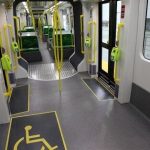
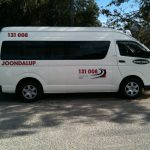
Martin discussed Melbourne’s accessibility for wheelchair travelers, rating it highly overall. He noted that while public transport infrastructure is generally good, trams present challenges due to inconsistent low-floor tram implementation and accessible stops. Martin also highlighted issues with train accessibility, including the need for driver assistance with ramps and the reliance on post-it notes for remembering stops. Regarding taxis, Martin mentioned that Melbourne has a large stock of wheelchair-accessible vans, but waiting through central dispatch can take up to two hours, making it more efficient to use trusted individual drivers.
Accessible Transportation in Melbourne
Martin and Ashley discussed accessible transportation in Melbourne, particularly the wheelchair-friendly taxi system with seats that can flip up and accommodate multiple wheelchairs. Martin noted that while most points of interest in Melbourne are accessible, there are challenges with single threshold steps at many shops and businesses. Martin also mentioned that visitors with a companion card can receive one free ticket for a support worker at sporting, arts, or cultural events.
Melbourne Accessibility Challenges Discussion
Martin discussed accessibility challenges in Melbourne, particularly the presence of threshold steps at many businesses worldwide, including Melbourne. He highlighted accessible locations such as the Botanic Gardens and museums in the South Central Business District, noting that museums are leading the way in catering to neurodiverse communities with sensory kits and quiet rooms. Martin also mentioned that public restrooms are generally accessible, with the help of the National Toilet Map app, and that changing places toilets equipped with adult-sized change tables and hoists are becoming more available, with access restricted to qualified individuals.
Accessibility Challenges for Wheelchair Users
Martin discussed accessibility challenges for wheelchair users, particularly highlighting the difference between manual and power wheelchairs and the difficulty of accessing establishments with steps. He explained that the National Toilet Map shows accessible restrooms across Australia, and Ashley inquired about destinations in Australia where Martin had personal experience. The conversation ended mid-sentence as Ashley asked about specific destinations in Australia.
Accessible Travel in Cairns
Martin shared his positive experience with accessible travel in Cairns, Queensland, highlighting two particularly accommodating businesses: Skyrail, which offers disability-friendly gondola rides, and Quicksilver Cruises, which provides accessible diving and snorkeling through a pontoon with a chairlift. When asked about Australia’s strengths in accessible travel, Martin praised the country’s accessible taxi fleet, particularly in Sydney and Melbourne, noting this as a significant advantage compared to other developed and less developed countries. The discussion ended mid-sentence as Ashley asked about areas for improvement, but no specific answer was provided in the transcript.
Disability Awareness and Accessibility
Martin emphasized the importance of general disability awareness beyond physical accessibility features like ramps and toilets, noting that less than 5% of people with disabilities use wheelchairs. He shared a personal example about attending a cinema that wasn’t wheelchair accessible but was still accessible through other means, highlighting how assumptions about disability can be misleading. Ashley agreed with Martin’s point about not making assumptions and praised the recommended approach of asking questions and allowing individuals to provide their own information for planning purposes.
Accessible Travel Best Practices
Martin discussed the importance of awareness and flexibility in accessible travel, emphasizing that people with disabilities are the experts in their own needs and should be consulted. He advised travelers to always verify accessibility details directly with venues rather than relying on website information. Martin highlighted common issues with hotel accessible rooms, particularly problems with bathroom design and layout. He noted that audio guides are becoming more popular, with 2 billion podcast listeners worldwide, and are useful for people who are blind or have low vision, as well as the neurodiverse community. Martin identified the biggest misconception in the tourism industry as viewing accessibility as a financial burden rather than a business opportunity, particularly with the aging demographic representing a significant market opportunity.
Last updated on April 7, 2026