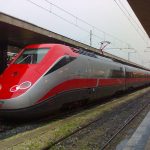

Traveling by Amtrak train can feel like a calmer alternative to flying, especially for wheelchair users who prefer a slower pace. Amtrak offers wheelchair-accessible seating and boarding assistance on many routes, making train travel a viable option for some trips across the United States. However, accessibility can vary by route, station, and train equipment, and boarding procedures or available assistance may differ depending on location and staffing, so advance planning and confirmation are important.
Where Do Amtrak Trains Go?
Amtrak operates across the United States, connecting major cities, small towns, and scenic regions. Some key long-distance routes include:
- Northeast Corridor (Boston–New York–Washington, D.C.)
- California Zephyr (Chicago–Denver–San Francisco)
- Empire Builder (Chicago–Seattle/Portland)
- Coast Starlight (Los Angeles–Seattle)
- Southwest Chief (Chicago–Los Angeles)
- Auto Train (Virginia–Florida, allowing travelers to bring their vehicles)
- Shorter commuter-friendly routes exist in regions like California, Illinois, and the East Coast.
Wheelchair-Accessible Seating
Amtrak trains offer wheelchair spaces designed with extra room and are typically located near accessible restrooms. Passengers must reserve wheelchair spaces in advance, as availability is limited. Key seating options include:
- Coach Class: Open wheelchair spaces with tie-downs; companion seating is available next to the space. Limited onboard amenities, but quick travel times.
- Business Class (on select trains): Similar to Coach but with more legroom and amenities.
- Sleeping Cars: Used for long-distance trips, this small, private space includes a fold-down bunk bed and toilet with privacy curtain. Meals are delivered to and included in the Sleeping Car fares because there’s no access to the Dining Car. Plan ahead for challenges is essential.
How Many Wheelchairs Can Ride on a Train?
The number of wheelchair spaces per train varies. Most Amtrak Coach cars accommodate one or two wheelchair spaces per car. Long-distance trains typically have several cars with wheelchair spaces, including seating and accessible sleeper rooms. Each train’s total wheelchair capacity depends on the number of accessible cars attached to the route. If traveling with a group of wheelchair users, call Amtrak’s Access Desk (1-800-USA-RAIL, option 3) in advance to ensure enough space.
Wheelchair Size and Weight Limitations
To fit within train doorways and designated seating areas, Amtrak enforces the following size and weight limits for wheelchairs and mobility devices:
- Width: Maximum 30 inches (76 cm)
- Length: Maximum 48 inches (122 cm)
- Weight: The combined weight of the passenger and wheelchair must not exceed 600 pounds (272 kg)
Both manual and powered wheelchairs are allowed. Mobility scooters are permitted, but they must fit within the same size and weight limits. Charging for power chairs: Some onboard electrical outlets are available, but they may not always be conveniently located. It’s best to travel with a fully charged battery.
Transferring to a Regular Seat
If your wheelchair does not meet Amtrak’s size requirements, you may need to transfer to a standard seat and have your wheelchair stored in the baggage area (if available). Passengers who transfer should ensure they can safely transfer and that their chair can be stowed properly.
Checked Wheelchairs & Equipment
Some Amtrak stations allow mobility devices to be checked as baggage if they exceed the onboard size limits. Not all stations have baggage service, so check in advance if your departure and arrival stations support wheelchair storage. If you’re unsure whether your wheelchair meets Amtrak’s requirements, calling Amtrak’s Access Desk ahead of time can help confirm details for your specific route.
Accessible Bathrooms and Other Amenities
- Restrooms: Most Amtrak long-distance trains have one accessible restroom per accessible car, featuring grab bars and space for a wheelchair.
- Dining Cars: Very few trains have accessible dining areas, but mobility inside dining cars can be tight. Amtrak allows meals to be delivered to wheelchair seating areas, especially when dining cars are not accessible.
- Observation & Lounge Cars: Accessibility varies. Many lounge cars require transferring to a non-wheelchair seat or are accessible only on certain train models. Most are not accessible.
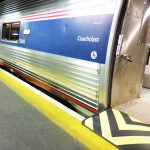
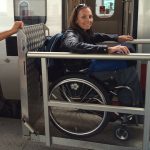
- Boarding & Assistance: Many Amtrak stations offer level boarding, but others use portable lifts or require staff assistance. Some older, smaller stations may have limited accessibility.
Barriers and Challenges
While Amtrak provides wheelchair-accessible seating and amenities, some challenges remain:
- Station Accessibility: Not all stations have level boarding or elevators.
- Limited Spaces: Wheelchair spaces are limited per train and may book up quickly.
- Narrow Aisles: Moving around inside the train may be difficult, especially in older models.
- Transfer Requirements: Some routes require transfers between trains, which can be tricky if station assistance is unavailable.
Final Tips for a Smooth Amtrak Trip
- Book Early: Reserve wheelchair seating or an accessible sleeping room as soon as possible.
- Call for Assistance: Contact Amtrak’s Access Desk (1-800-USA-RAIL, option 3) to confirm station accessibility and any special needs.
- Arrive Early: Get to the station at least 30-45 minutes before departure to allow time for boarding assistance.
- Plan for Meals: If moving to the dining car isn’t an option, request meal delivery.
- Bring a Travel Companion: While Amtrak staff assist with boarding, they do not provide personal care, so a travel buddy may be helpful.
Last updated on February 19, 2026